
Kett's Rebellion (1549): the Norfolk uprising against enclosure and local abuses
Kett's Rebellion was a major 1549 uprising in Norfolk, England, led by Robert Kett in protest against enclosure, rents, and local abuses during the reign of Edward VI.
Overview
Kett's Rebellion was a large popular uprising in mid‑16th century England, centred in the county of Norfolk. It took place in the summer of 1549 during the minority of Edward VI and was led by Robert Kett, a local tanner and landholder from Wymondham. The protest grew from rural grievance about the loss of customary rights and rapid social and economic change, and temporarily seized the city of Norwich before being defeated by royal forces.
Image gallery
7 Images


Causes and grievances
The uprising was rooted in popular anger over enclosure — the conversion of open fields and commons into private pasture or fenced land — which deprived many villagers of grazing, fuel and small plots they had long used. Protesters also objected to rising rents, aggressive behaviour by local landowners, and broader fears about subsistence and justice following the social dislocations of the Tudor period (including the redistribution of church lands).
How the revolt unfolded
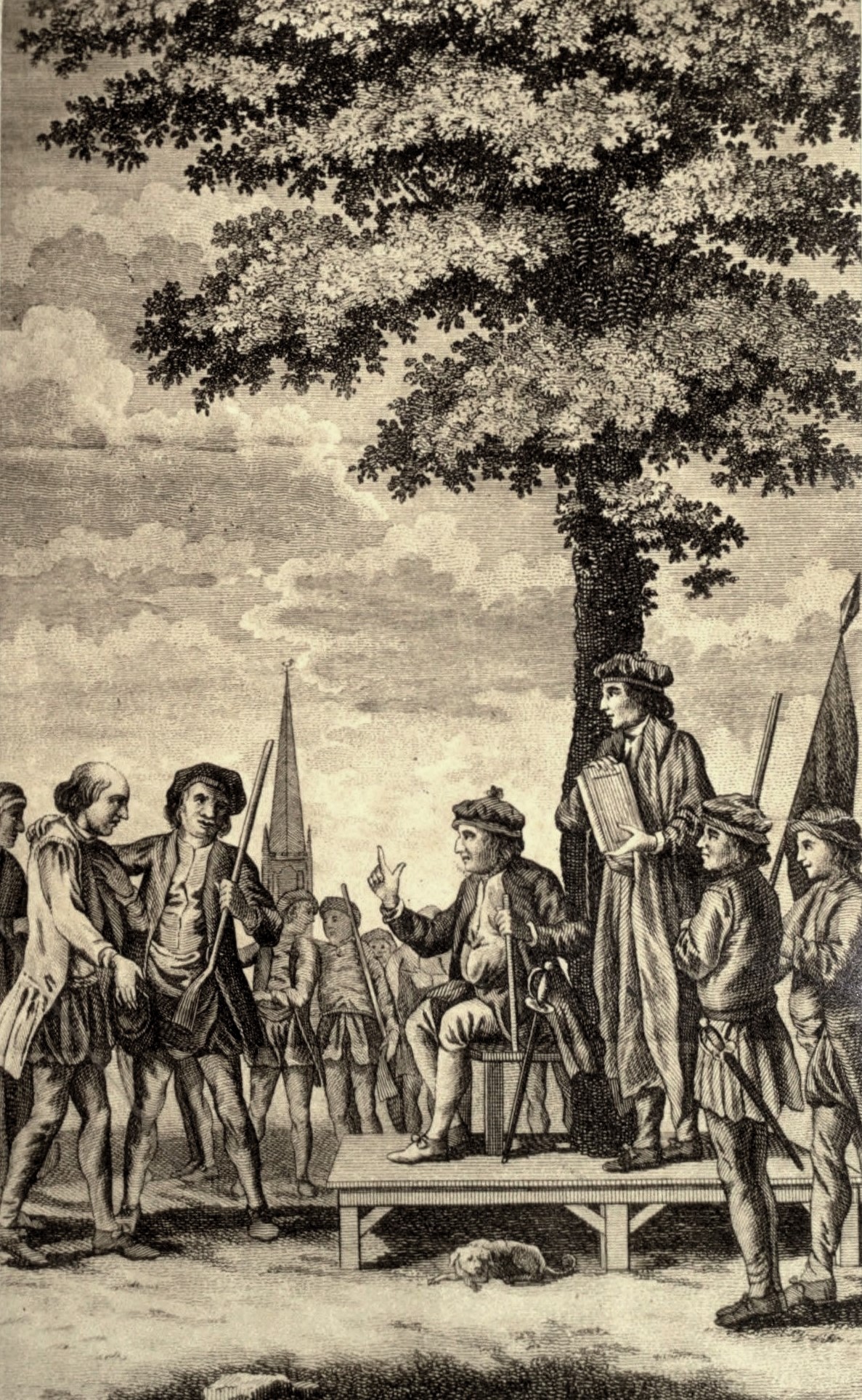
What began as a local disturbance in late July quickly expanded. A group of villagers in and around Wymondham tore down hedges and fences erected to enclose common land and marched toward Norwich, establishing a fortified camp on Mousehold Heath outside the city. Under Robert Kett’s leadership the camp grew into a disciplined mass of several thousand protesters who attempted to present a list of grievances and demands to the authorities.
Organization, demands and conduct
The rebels were more than a disorderly mob. They set up rudimentary camp administration, appointed constables and drew up a series of articles complaining about enclosures, corrupt local officials, and unfair rents. Their demands mixed economic and legal complaints: restoration of common rights, fairer local government, and redress for abuses by landholders and some town officials. For a time the movement enjoyed broad support from poorer townspeople and rural labourers.
Suppression and aftermath
The initial royal response was cautious and included negotiation, but later a military expedition was sent to restore order. Fighting culminated in a pitched encounter when government troops dispersed the rebel forces. Contemporary accounts report heavy casualties among the insurgents and numerous arrests. Robert Kett was captured, taken to the Tower of London, returned for trial, and executed in Norwich later that year. The repression that followed sought to deter further unrest, while some of the grievances the rebels raised continued to shape local politics and national debates.
Significance and legacy
Kett's Rebellion is remembered as one of the most serious popular challenges to Tudor authority before the later 16th century. It highlighted the social tensions caused by enclosure and economic change, and the ability of rural communities to organize and articulate political demands. In local memory and historical scholarship the uprising is often cited as an example of economically driven protest that combined social, legal and political aims.
- Key figure: Robert Kett, a local landholder who became the rebels’ leader.
- Location: centred on Wymondham and Mousehold Heath outside Norwich.
- Context: rising tensions over enclosure, rents and loss of customary rights in Norfolk and beyond during the reign of Edward VI.
- Aftermath: military suppression, executions and longer‑term influence on debates about land and governance.
For more detailed studies consult scholarly accounts and primary sources that examine the social context, military operations and legal proceedings of 1549. This episode remains an important case for understanding Tudor social history and the politics of early modern England.
Related articles
Author
AlegsaOnline.com Kett's Rebellion (1549): the Norfolk uprising against enclosure and local abuses Leandro Alegsa
URL: https://en.alegsaonline.com/art/53068