
Baron: history, rank, and modern use of the noble title
A baron is a rank of nobility found across European peerage systems. This article explains its origins, historic role in feudal society, rank among peers, modern forms and key distinctions.
Overview
A baron is a hereditary or granted title of nobility present in many European traditions and peerage systems. Historically a baron ranked toward the lower end of the high nobility, but remained a member of the aristocratic elite. In the British order of precedence the five principal peerage ranks, from highest to lowest, are duke, marquess, earl, viscount and baron. Titles such as baronets and knights are distinct: they are honors but do not make the holder a peer.
Image gallery
5 Images


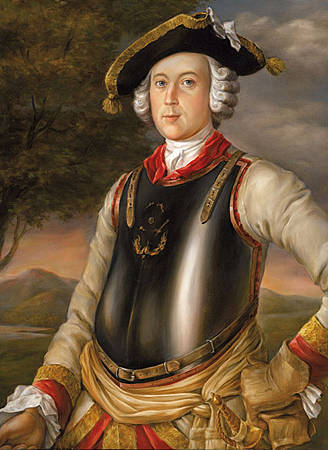
Origins and etymology
The word "baron" entered English from Old French baron, ultimately from a Germanic source often reconstructed as Frankish baro, meaning a free man or warrior. In early medieval languages the term merged with native words for noblemen. Early barons were typically important landholders whose social standing derived from military service and tenure rather than mere wealth.
Medieval role and feudal tenure
Under feudalism a baron commonly held lands directly from the king as a tenant-in-chief. In the context of medieval England, for example, this legal and social position carried obligations of military service and counsel. During the 13th century and thereafter the crown sometimes summoned leading barons by royal writ to attend assemblies or early forms of Parliament, a practice that helped evolve representative institutions.
Rank, forms and territorial units
The lands associated with a baron are commonly called a barony. The female form of the title is baroness, and socially barons are often addressed as "Lord" and baronesses as "Lady". Barons can hold territorial, feudal, or merely titular forms of the dignity. Variants exist across Europe: some countries evolved analogous ranks with different names or local customs for inheritance and precedence.
Modern developments and functions
From the early modern period many baronial powers were curtailed as central states grew. In the United Kingdom and other states the 19th and 20th centuries transformed noble status into ceremonial, social and legislative roles. In the UK specifically the 20th century saw the introduction of non-hereditary or life peerages that grant rank without hereditary succession; life peers may also hold the style of baron. Today, holders of baronial titles may participate in public life, sit in appointed legislative chambers where applicable, and preserve family and local traditions.
Distinctions and notable facts
- Not all barons are peers in every country; local law determines whether a barony is part of the formal peerage or a lesser noble grade.
- Baronets and knights are honors distinct from peerage ranks such as baron; a person may hold both types of distinction simultaneously.
- Although once defined by land tenure and military obligation, many modern baronies are hereditary dignities without attached jurisdiction.
- Terminology and precedence vary widely: comparable ranks exist across languages and legal traditions, sometimes under different names.
This summary sketches the principal meanings and historical trajectory of the baronial title: from a landholding warrior-noble in early feudal orders to a modern noble dignity with ceremonial, social and occasionally legislative roles. For further reading and specific national variations see resources on European peerage law and national nobility histories.
Tags
Related articles
Author
AlegsaOnline.com Baron: history, rank, and modern use of the noble title Leandro Alegsa
URL: https://en.alegsaonline.com/art/9066
Sources
- debretts.com : "Ranks and Privileges of the Peerage"
- home.olemiss.edu : "Feudal Terms"
- debretts.com : "Baron"