
Kenneth Rexroth: poet, translator, and figure of the San Francisco Renaissance
American poet and translator (1905–1982) known for championing Japanese poetic forms, participating in the San Francisco Renaissance, and influencing mid‑20th century American poetry.
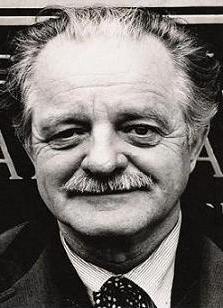
Kenneth Rexroth (born December 22, 1905 – died June 6, 1982) was an American writer and poet whose work blended translations, political engagement, and a strong attention to nature. He is widely recognized as a central figure in the San Francisco Renaissance, a mid‑20th century literary movement that helped revitalize American poetry on the West Coast. Rexroth was also among the early American poets to adopt and adapt traditional Japanese forms such as the haiku, and he worked broadly as a translator, essayist, and critic. Writer and public intellectual, he maintained a prominent role in literary life across several decades.
Image gallery
2 Images
Work, style, and themes
Rexroth's poetry is noted for a conversational clarity and a close attention to landscape, human relationships, and political ideas. His translations of Asian poetry introduced many readers to concise forms and different tonal registers, while his original work often mixed lyric intimacy with social commentary. He wrote in a voice that could be meditative and plainspoken, favouring precise images over ornamental language. These qualities made his readings and public appearances influential in shaping how poetry was heard and practiced in postwar America.
Roles and activities
- Poet of original verse and lyric pieces that emphasized nature and personal experience.
- Translator and mediator of Japanese and Chinese poetic traditions into English.
- Essayist and critic who wrote about art, politics, and culture.
- Organiser and participant in readings and literary gatherings associated with the San Francisco Renaissance.
Although younger poets of the Beat generation acknowledged his influence, Rexroth occupied an independent position: at times a mentor, sometimes a critic of particular tendencies among younger writers. His willingness to experiment with form and to bring foreign poetic practices into English contributed to a broader diversification of American verse in the twentieth century.
Legacy and significance
Rexroth's legacy rests on several interconnected accomplishments: the introduction and serious use of Japanese short forms by American poets; translations that opened readers to Asian poetries; and his role in fostering a lively literary scene in San Francisco. He helped create conditions for a more communal, performance‑oriented poetry culture and influenced both contemporaries and later generations who sought alternatives to mainstream academic verse. Scholars and readers continue to study his work for its formal range, ethical concerns, and historical role in shaping American poetry. For additional context, see introductions and discussions by critics and literary historians who have examined his place in the San Francisco Renaissance and mid‑century American letters (United States literary histories and anthologies provide useful overviews).
Rexroth remains a figure of interest for those studying translation, cross‑cultural poetic practice, and the social life of poetry in twentieth‑century America. His example shows how a single poet can function as creator, translator, and cultural organizer, helping to expand the expressive possibilities available to English‑language poets.
Further reading and archival materials can be sought in library collections and biographies that document his life and work; many introductions and critical essays provide accessible entry points for readers wishing to learn more about his influence and the circles in which he worked.
Related articles
Author
AlegsaOnline.com Kenneth Rexroth: poet, translator, and figure of the San Francisco Renaissance Leandro Alegsa
URL: https://en.alegsaonline.com/art/52902