
Kempen, North Rhine-Westphalia — historic town near Düsseldorf and the Dutch border
Kempen is a market town in North Rhine‑Westphalia, Germany, noted for its well‑preserved medieval centre, historic architecture and former textile industry. It lies near Düsseldorf and close to the Netherlands.
Overview
Kempen is a market town in the state of North Rhine‑Westphalia in western Germany. It lies roughly 30 kilometres northwest of Düsseldorf and about 20 kilometres east of Venlo in the Netherlands. The town serves as a local centre for surrounding communities and is part of the wider Rhine region. Its compact centre and civic institutions make it a focus for local administration, cultural events and tourism; official information is available from the municipal pages at Kempen municipal page and regional overviews on Germany.
Image gallery
7 Images


History
The settlement that became Kempen grew up in the medieval period as a market and craft centre. Over time it gained civic structures and defensive works typical of small towns in the Lower Rhine area. In later centuries Kempen developed local industries, most notably in textiles: silk, cotton and linen manufacture contributed to the town's economy and helped shape its urban fabric.
Architecture and sights
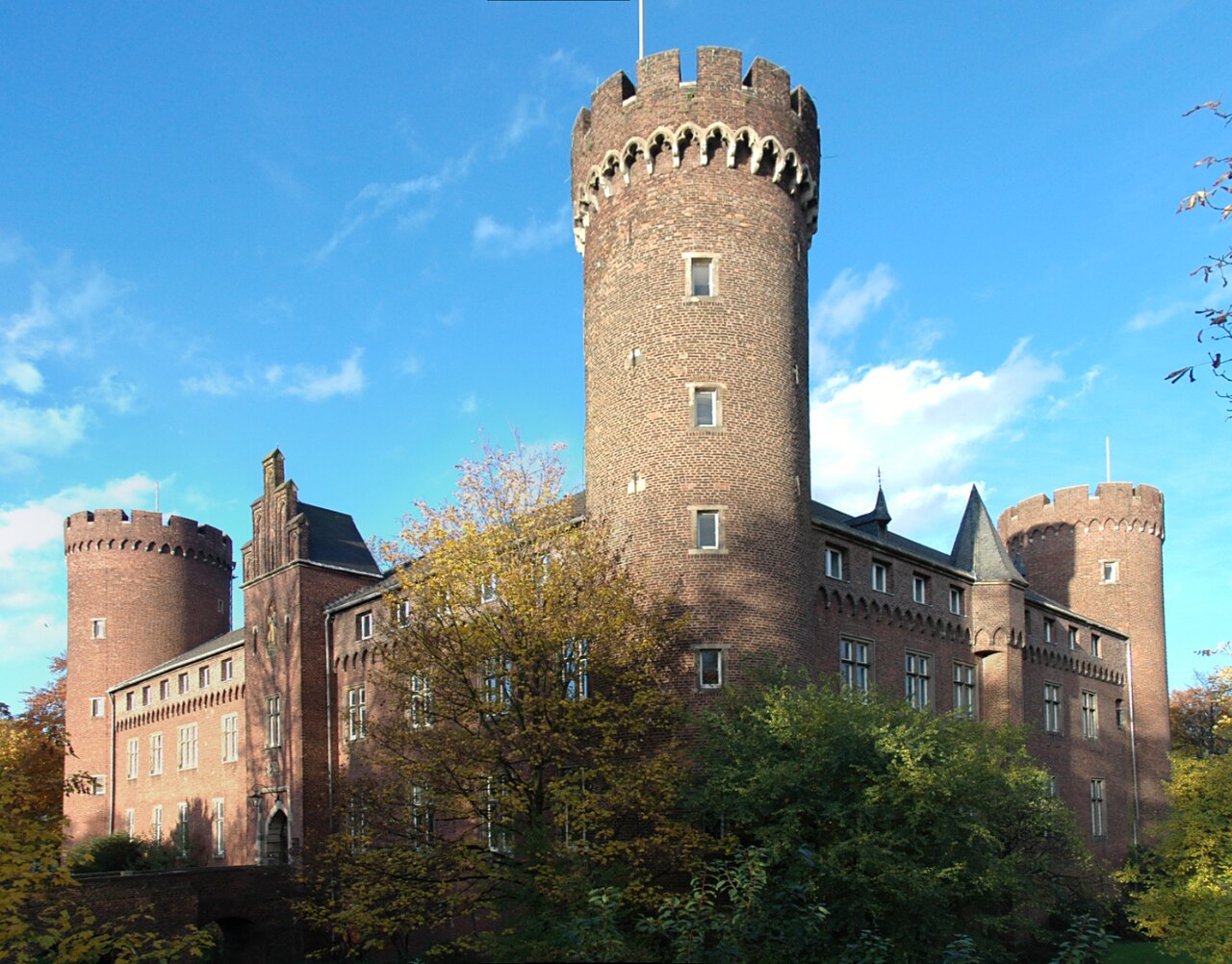
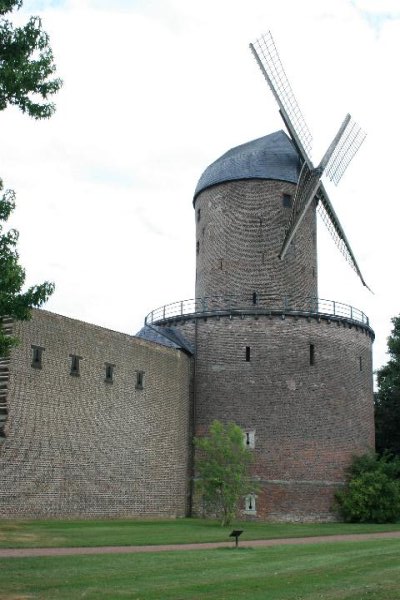
Kempen is recognised for a well‑preserved historic core with narrow streets, market squares and examples of traditional town architecture. Visitors commonly note timber‑framed houses, historic town halls, former guild buildings and parish churches. Remnants of earlier defensive structures and period town planning give the centre a distinct historical atmosphere that is the subject of local conservation efforts.
Economy and transport
Today the local economy combines small and medium‑sized manufacturers, crafts, retail and a service sector that supports residents and visitors. The town's location close to larger urban centres and cross‑border links to the Netherlands makes commuting feasible and supports regional trade. Transport connections include local roads and public transport services that link Kempen to nearby cities.
Cultural life and events
Kempen maintains a calendar of cultural programming, seasonal markets and community festivals that reflect its historic identity and regional traditions. Local museums, exhibitions and guided walks often concentrate on the town's craft heritage and architectural history, including references to its earlier role in textile production.
Name and historical note
When consulting historical maps or documents it is important to distinguish this Kempen from other places in Central Europe that have borne similar names. Some localities once known by German names now lie within neighbouring countries and are known by different, modern names. Researchers and visitors should take care to check geographic context when following older references.
Further reading and resources
- Municipal and visitor information: Kempen municipal site
- Country and regional context: Germany overview
- Regional city links and travel: Düsseldorf region overview
- Cross‑border and neighbouring towns: Venlo and cross‑border information
- Textile heritage and local industry background: textile history pages
- General cultural resources and local heritage: cultural resources
- Historical context on cotton production in the region: cotton production
- Information on linen and silk traditions related to the area: linen and silk
Related articles
Author
AlegsaOnline.com Kempen, North Rhine-Westphalia — historic town near Düsseldorf and the Dutch border Leandro Alegsa
URL: https://en.alegsaonline.com/art/52803