
Keir Hardie: pioneer of British labour politics and founder of the ILP
Keir Hardie (1856–1915) was a Scottish trade unionist and socialist who became the first independent labour MP, helped found the Independent Labour Party and shaped early Labour politics in Britain.
Overview
James Keir Hardie (1856–1915) was a central figure in the emergence of independent labour politics in Britain. Rising from work as a coal miner to national prominence, he was the first independent labour Member of Parliament and a founding force behind the Independent Labour Party (ILP) and the wider movement that became the modern Labour Party. Hardie combined grassroots trade-union activism with outspoken advocacy for social reforms, workers' rights and expanded political representation for the working class.
Image gallery
10 Images


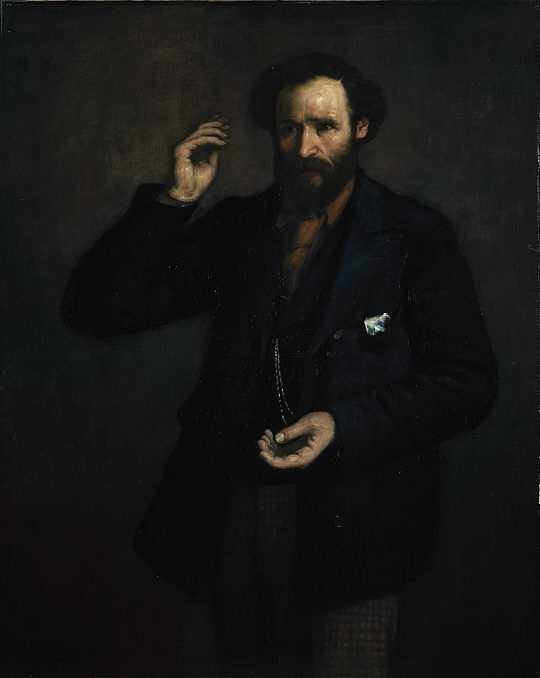


Early life and working years
Hardie was born in the hamlet of Newhouse in Lanarkshire. He began work at a young age in mines and other manual jobs and educated himself through reading and public speaking. His firsthand experience of industrial labour and of the hardships faced by miners and their families shaped his political outlook and drove his involvement in trade-union organisation. During these years he became known for plainspoken speeches and for organising on behalf of coal workers.
Political activity and ideas
Hardie first entered parliamentary politics in the late 19th century. Elected in 1892 as an independent labour MP, he rejected strict party labels in favour of creating distinct political representation for workers. He helped found the Independent Labour Party in 1893 and later played a leading role in the formation of a national labour grouping at the turn of the century. His politics combined advocacy for social legislation—such as improved working conditions, pensions and housing—with commitments to democratic participation and opposition to unrestrained capitalism.
Positions and public stands
- Trade union organisation and parliamentary representation for workers
- Support for social reforms to reduce poverty and insecurity
- Advocacy for women's suffrage and wider democratic rights
- Criticism of imperialist wars and a preference for peaceful solutions
Hardie attracted attention for his willingness to dissent from prevailing opinion in both the Liberal and Conservative camps. He argued that working people needed their own independent voice in Parliament rather than being tied to existing party structures.
Legacy and later years
By the early 20th century Hardie was widely recognised as a founder of British labour politics. The organisations he helped establish evolved into the Labour Party, which would grow to become one of the major political forces in the United Kingdom. His style of moral reformism, commitment to trade unions and insistence on independent working-class representation left a lasting imprint on British political culture. Hardie spent his final years continuing to speak and organise; he died in Glasgow after suffering a series of strokes.
Further reading and references
For concise biographical summaries and archival material see the following resources: biographical overview of Keir Hardie, details on his service in the UK Parliament, and histories of the Labour Party. Local context about his birthplace is available at Newhouse, Lanarkshire. Contemporary accounts of mining life and labour organisation refer to coal industry conditions and the role of the miner trade. For discussion of his political development see writings on political activism and studies of working-class movements and the idea of a working-class party. For later life and death see sources about his connection to Glasgow and medical summaries noting he died after a sequence of strokes.
Hardie's career illustrates how popular activism and parliamentary participation can combine to create new political institutions. His efforts show the transition from industrial protest to organised party politics and remain a reference point in studies of labour history.
Related articles
Author
AlegsaOnline.com Keir Hardie: pioneer of British labour politics and founder of the ILP Leandro Alegsa
URL: https://en.alegsaonline.com/art/52724