
Lanarkshire (historic county of central Scotland)
Lanarkshire is a historic county in central Scotland centered on the River Clyde, known for its industrial heritage, towns such as Hamilton and Motherwell, and its division into modern council areas.
Lanarkshire (Gaelic: Siorrachd Lannraig) is a traditional county in central Scotland, historically centered on the valley of the River Clyde. It has been important in Scotland's industrial and social development, with a landscape that ranges from lowland plains to upland fringes and a mix of urban and rural communities.
Image gallery
10 Images

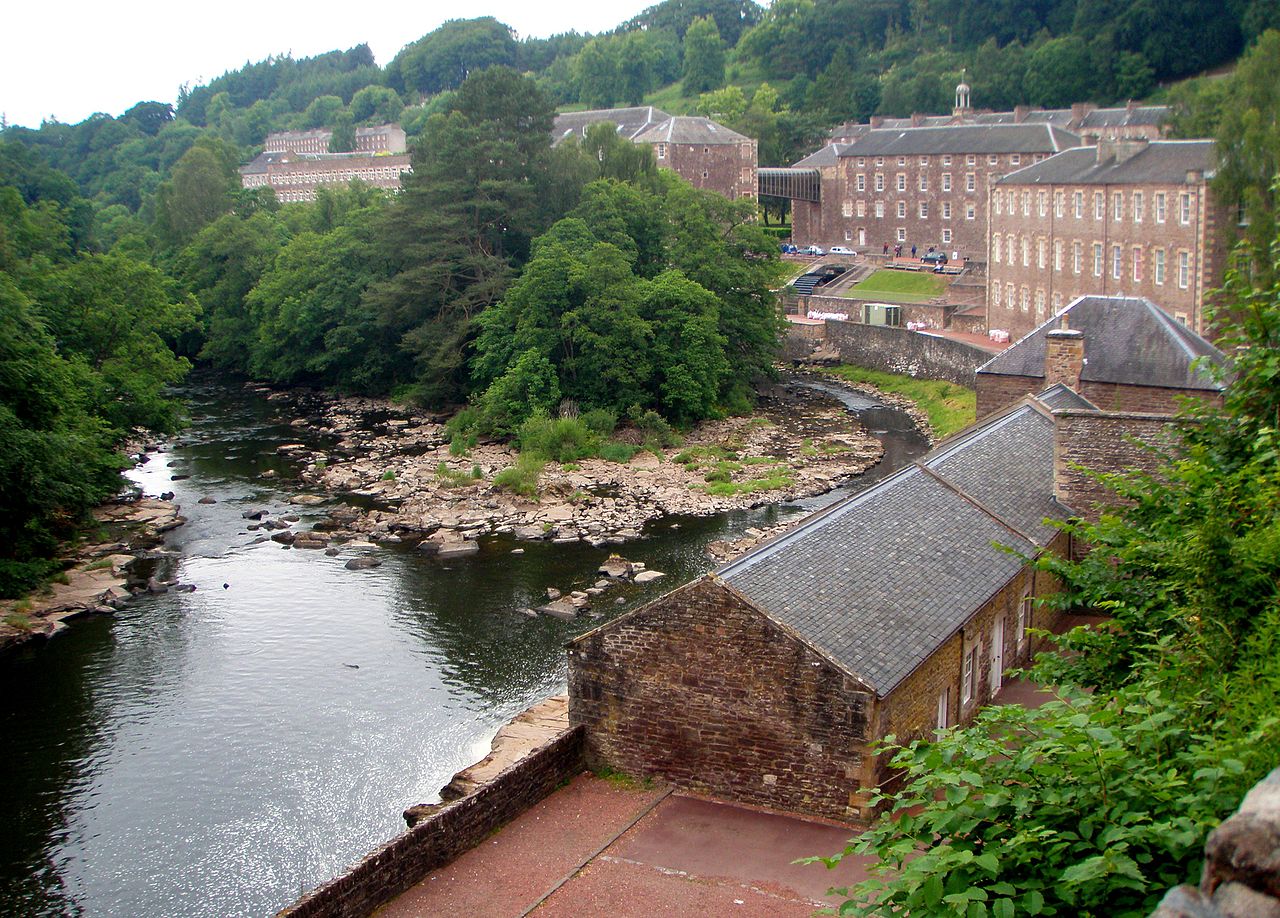


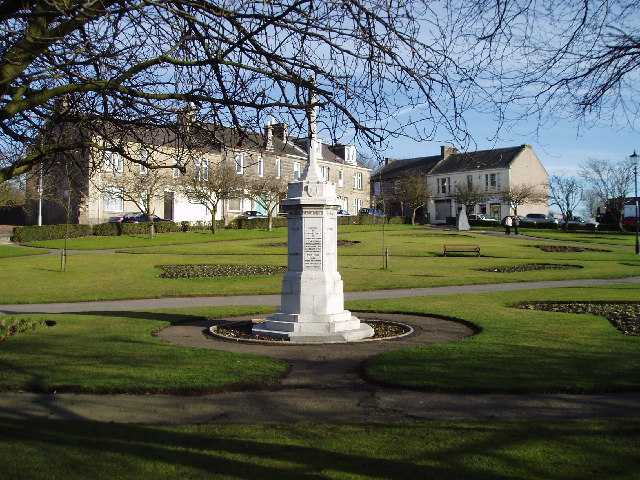
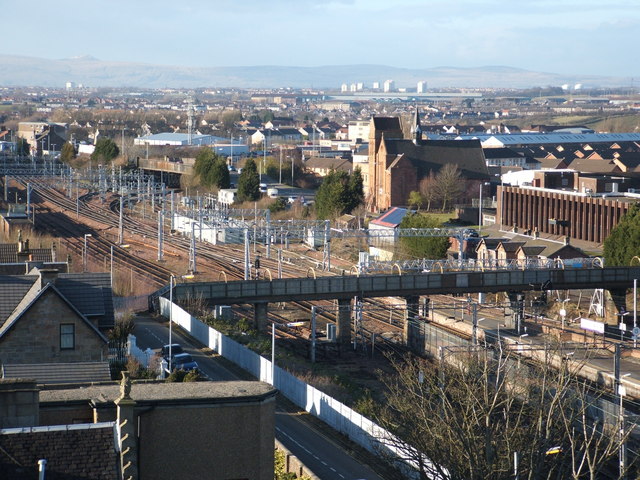

Geography and boundaries
Lanarkshire occupies part of the Scottish Lowlands and includes sections of the Clyde valley. The terrain transitions from broad, fertile river plains to higher ground toward the southern uplands. The county's historic boundaries have changed over time; modern local government divides the area into separate council regions while the historic county remains a commonly used reference.
History and development
The area that became known as Lanarkshire developed through medieval administration into a significant center of commerce and later industrial activity. From the 18th and 19th centuries the growth of coal mining, iron and steel production, and heavy engineering transformed many towns along the Clyde, shaping patterns of settlement and transport that endure today.
Economy, transport and industry
Lanarkshire's economy historically depended on extractive and manufacturing industries; many communities were built around mines, foundries and mills. In later decades the local economy diversified and many residents commute to nearby urban centers. The county is well served by road and rail links radiating from Glasgow and connecting towns across the Clyde corridor.
Communities and culture
Several market towns and industrial centres form the social and cultural core of Lanarkshire. Notable places include:
- Hamilton — traditionally recognized as a county town and administrative center
- Motherwell — associated with heavy industry and steelmaking
- Coatbridge and Airdrie — towns with strong industrial heritage
- Lanark — a historic market town retaining older civic traditions
Glasgow grew on Lanarkshire's western edge and historically lay within the county's influence; today the metropolitan area and the historic county have overlapping identities.
Administration and modern status
Local government reorganisations in the late 20th century altered administrative lines: the historic county is now largely represented by the North Lanarkshire and South Lanarkshire council areas, while ceremonial and cultural references to Lanarkshire remain common. For further official information see related resources.
Related articles
Author
AlegsaOnline.com Lanarkshire (historic county of central Scotland) Leandro Alegsa
URL: https://en.alegsaonline.com/art/55737