
Keiō era (1865–1868): the final years before the Meiji Restoration
Keiō (慶応) was a Japanese era from April 1865 to September 1868, covering the end of the Tokugawa shogunate, the death of Emperor Kōmei and the accession of Emperor Meiji during the Restoration.
Overview
Keiō (慶応, historically 慶應) was the Japanese era name (the nengō) that began in April 1865 and concluded in September 1868. It followed the Genji era and preceded the Meiji era. The characters 慶応 are commonly translated as "Joyous Concord." The period is notable because it coincides with the collapse of the Tokugawa shogunate and the political transformation known as the Meiji Restoration.
Image gallery
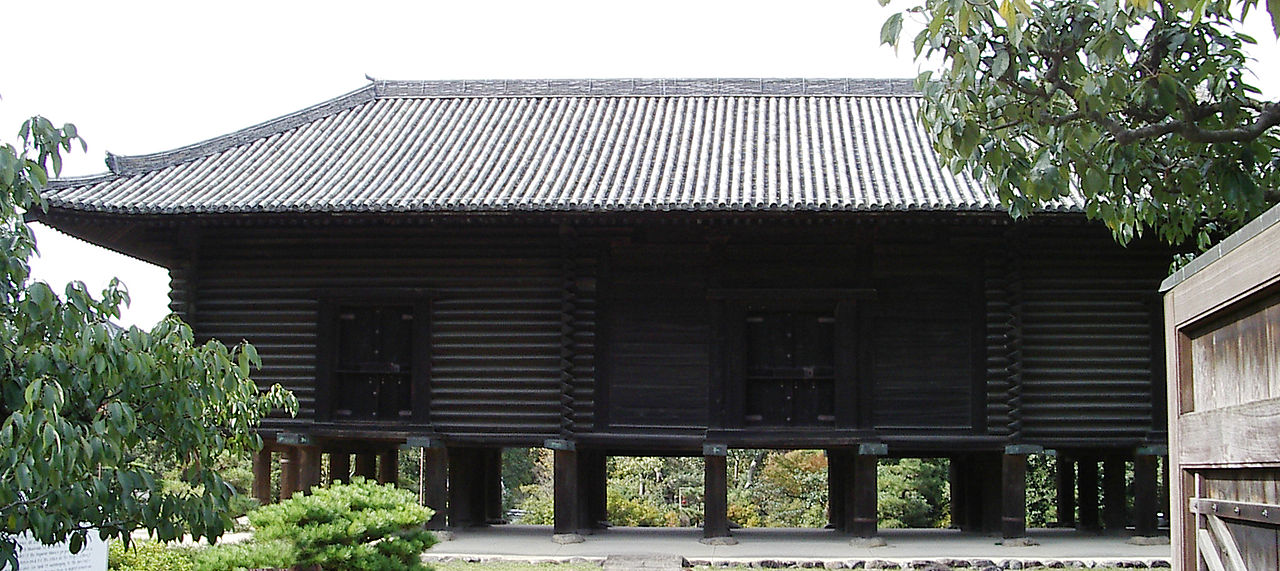
3 Images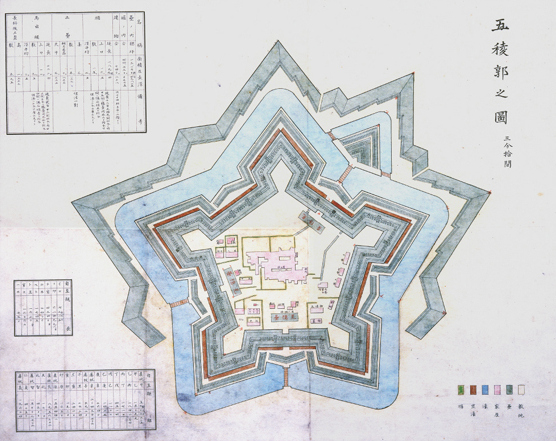

Name and orthography
The era name is an example of the traditional Japanese practice of assigning a nengō, or year name, which marks official years of the court and government. The older form of the characters, 慶應, appears in historical documents; modern references often use the simplified form 慶応. Romanization varies (Keiō, Keio) but refers to the same interval.
Historical context
Keiō sits at a turning point in Japanese history. It begins during the last years of Tokugawa rule and encompasses increasing domestic unrest, pressure from foreign powers, and intense debate among samurai, court nobles, and political leaders about Japan's future. Emperor Kōmei reigned at the start of Keiō; he died in 1867 and was succeeded by the young Emperor Meiji, whose accession helped legitimize changes in political authority.
Key events
- April 1865: Keiō era begins.
- 1867: Emperor Kōmei dies; Emperor Meiji ascends the throne.
- 1868: Political power shifts decisively from the shogunate to the imperial court, an episode often summarized as the Meiji Restoration; armed conflict and political realignment occur as part of that process.
- September 1868: The Keiō era ends and the Meiji era name is adopted.
Significance and legacy
Although brief, the Keiō era frames a critical transition from feudal rule toward centralized imperial government and rapid modernization. The use and change of a nengō at this moment reflected both symbolic and administrative shifts: era names have been a tool of official chronology, and adopting a new name signaled a new political order. Keiō is therefore often discussed in studies of late Edo politics, the Meiji Restoration, and the modernization that followed.
Notable distinctions
Keiō is sometimes remembered chiefly for its timing rather than for cultural changes unique to the era. It overlaps with military clashes and diplomatic challenges that shaped the early Meiji state. For those researching imperial succession, nengō practice, or the final decade of Tokugawa rule, Keiō provides a concise chronological label for a complex set of events that reshaped Japan.
Related articles
Author
AlegsaOnline.com Keiō era (1865–1868): the final years before the Meiji Restoration Leandro Alegsa
URL: https://en.alegsaonline.com/art/52723
Sources
- books.google.com : "Keiō"
- books.google.com : "Kōmei Tennō,"
- books.google.com : "Meiji Tennō,"
- books.google.com : The Life of Sir Harry Parkes, p. 97.
- books.google.com : "Goryōkaku"
- books.google.com : Japans Kaiserhof in der Edo-Zeit, p. 186
- kunaicho.go.jp : 孝明天皇 (121)
- kunaicho.go.jp : Ceremony of Accession (Sokui-no-Rei)