
Kenchō era (1249–1256)
Kenchō (建長) is a Japanese era name from March 1249 to October 1256, overlapping the Kamakura period and the reign of Emperor Go-Fukakusa. It saw the consolidation of Hōjō regency power and the founding of Kenchō-ji.
Overview
The Kenchō era (建長) was a Japanese era name used from March 1249 through October 1256. Era names, or nengō, were adopted by the imperial court to mark years and to express auspicious aspirations; Kenchō is commonly interpreted from its characters as an idea of "establishing length" or "founding longevity." The emperor during this period was Go-Fukakusa, though political authority remained largely in the hands of the Kamakura shogunate and its Hōjō regents.
Image gallery
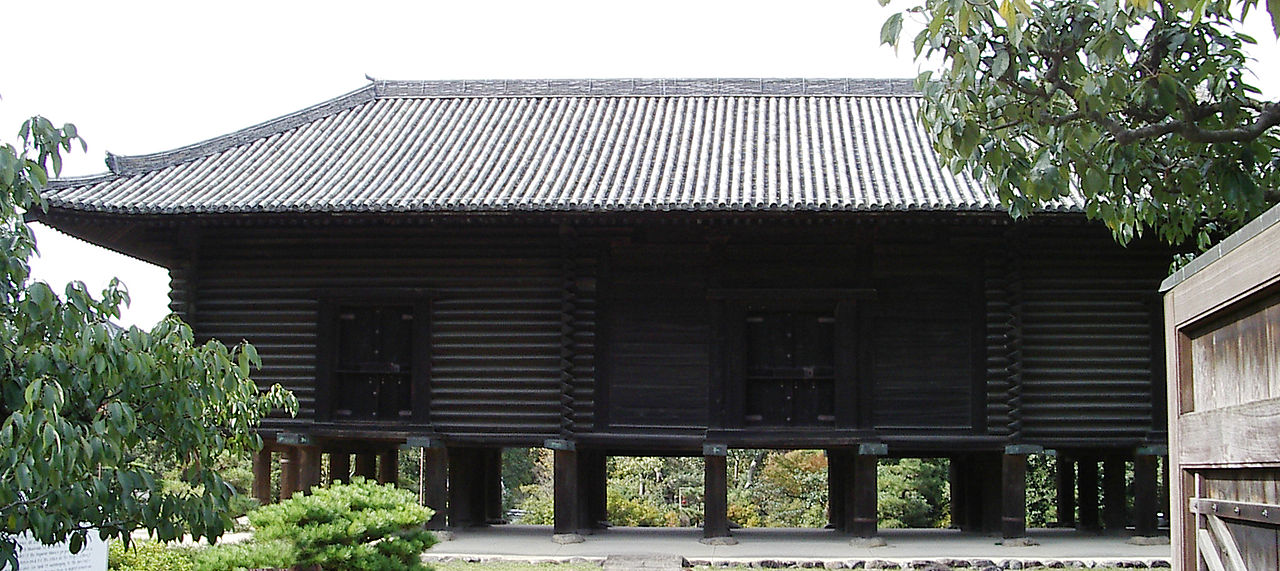
4 Images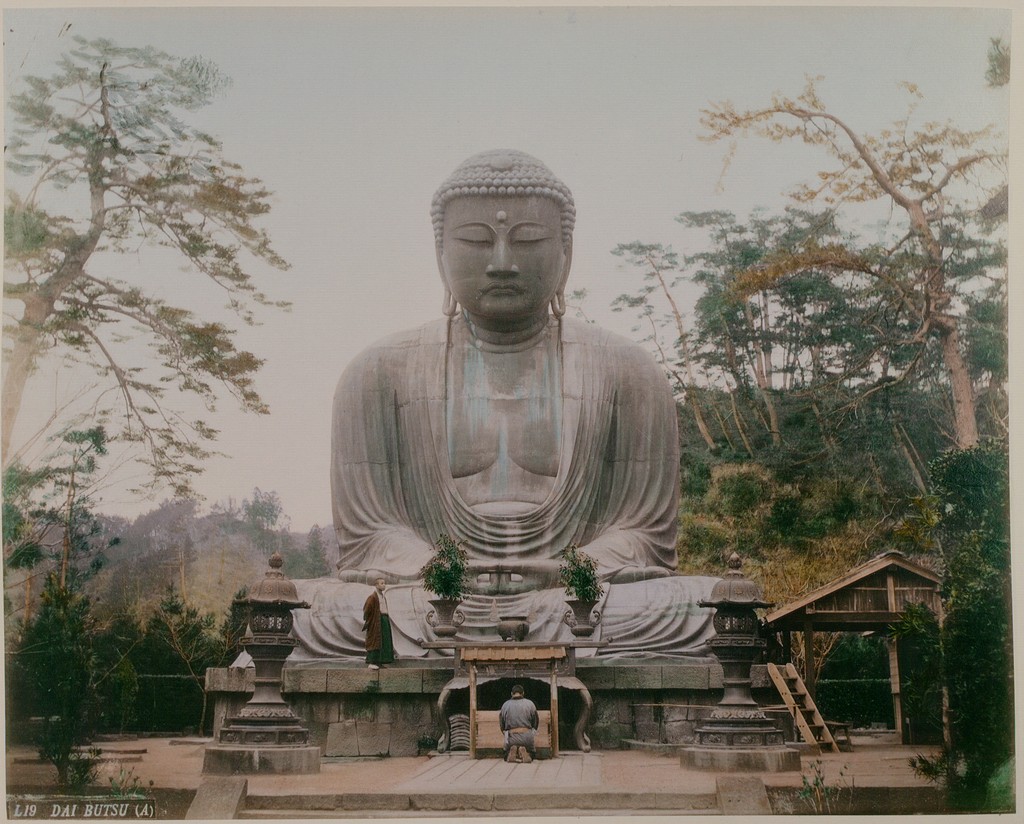


Historical context
Placed in the middle of the Kamakura period, Kenchō followed the Hōji era and preceded the Kōgen era. This interval saw the continued dominance of the Hōjō clan, with Hōjō Tokiyori acting as shikken (regent) and shaping government policy. The imperial court in Kyoto retained ceremonial functions, but the de facto military government based in Kamakura exercised practical control over politics and security.
Notable events and developments
- Religious and cultural: The major Zen temple Kenchō-ji in Kamakura was established during this era (traditionally dated to 1253), reflecting the growing influence of Zen Buddhism among the warrior class and the patronage of Hōjō leaders.
- Political leadership: The period is associated with administrative consolidation under Hōjō regents who managed succession and provincial governance on behalf of the shogun.
- Chronology and records: Court diaries and temple records use the Kenchō nengō to date events; scholars rely on these era names to place developments in a consistent timeline.
Importance and distinctions
Kenchō illustrates how era names functioned as markers of time and political symbolism in medieval Japan. It is notable for linking a named period to tangible developments—especially the establishment of Zen institutions that would have long-term cultural effects. Although the emperor was the nominal source of era names, actual policy and military power came from the shogunate and regents in Kamakura.
Further reading
For an introduction to the system of Japanese era names and their use in chronology, see general overviews of the nengō system. To trace adjacent eras and the sequence of years around Kenchō, consult entries on Hōji and Kōgen.
Related articles
Author
AlegsaOnline.com Kenchō era (1249–1256) Leandro Alegsa
URL: https://en.alegsaonline.com/art/52845
Sources
- books.google.com : "Kenchō"
- books.google.com : Annales des empereurs du Japon, pp. 248-255
- washingtontimes.com : "The Great Buddha at Kamakura,"
- zen.rinnou.net : Kenchō-ji