
Emperor Kōmei (1831–1867): Reign and Legacy
Emperor Kōmei was the 121st sovereign of Japan, ruling from 1846 to 1867. His conservative stance and opposition to foreign influence helped set the stage for the political upheaval that led to the Meiji Restoration.
Emperor Kōmei (born 22 July 1831) was the 121st sovereign in the traditional order of succession. He served as Japan's ceremonial head of state from 1846 until his unexpected death in 1867. His reign coincided with the end of the Tokugawa era and the growing crisis over how to deal with foreign powers. The imperial household under Kōmei became more politically vocal, and his son and successor, Emperor Meiji, presided over the eventual restoration of imperial rule.
Image gallery
7 Images



Background and accession
Born into the Imperial family during the late Edo period, Kōmei came to the throne at a young age following the death of his predecessor. Although emperors of this period often exercised limited direct authority because real power lay with the Tokugawa shogunate, Kōmei's personality and choices made the court a more active participant in national debates. He retained traditional court rituals and showed a conservative preference for preserving established institutions.
Reign and political stance
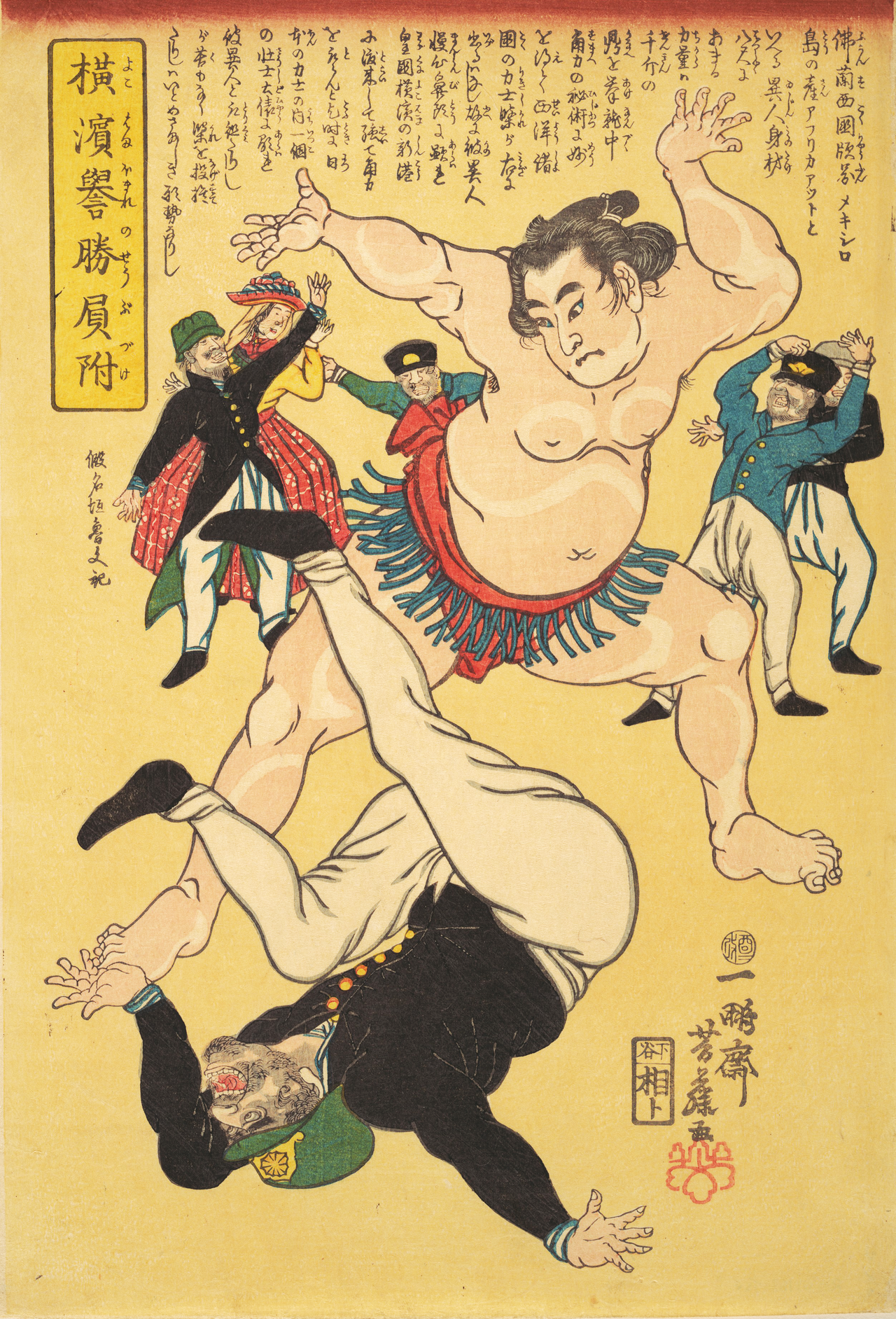
During Kōmei's rule, Japan faced increasing pressure to open to trade and diplomacy after centuries of relative isolation. The arrival of Western powers and the signing of unequal treaties unsettled many Japanese. Emperor Kōmei is generally described as wary of Western influence and supportive of strengthening imperial authority. While he did not control day-to-day governance, his pronouncements and symbolic opposition emboldened factions that questioned shogunal policies.
Challenges and notable events
The years 1853–1867 saw a sequence of crises that eroded confidence in the existing order. Important issues and incidents during the Kōmei era included:
- Foreign pressure: Diplomatic missions and treaty negotiations that opened ports and created new foreign presences.
- Domestic unrest: Political agitation, samurai rebellions, and debates over national defense and reform.
- Imperial activism: Greater use of imperial pronouncements to influence domain leaders and public opinion.
Death and succession
Kōmei died suddenly on 30 January 1867. His death came at a moment of rapid change: within a year, major domains had moved to dismantle shogunal authority and restore power to the throne. The accession of his son, Emperor Meiji, is often framed as the turning point that led to the Meiji Restoration and the modernization of Japan. Historians debate the degree to which Kōmei's decisions directly caused the collapse of the Tokugawa shogunate, but his reign unquestionably overlapped the shogunate's final decades.
Legacy and significance
Emperor Kōmei is remembered as a conservative and traditionally minded sovereign who nonetheless presided over an era of intense change. His resistance to foreign encroachment and his symbolic assertion of imperial presence made the throne a focal point for opponents of the shogunate and for those who sought a different political order. For readers seeking primary documents or further analysis, consult specialized biographies and collections of mid-19th-century Japanese diplomatic correspondence via relevant archives and research portals such as primary sources and scholarly overviews at national or university libraries covering Japan.
Related articles
Author
AlegsaOnline.com Emperor Kōmei (1831–1867): Reign and Legacy Leandro Alegsa
URL: https://en.alegsaonline.com/art/118505