
Kempo (Japanese era, 1213–1219)
Kempo (建保) was a Japanese era name from December 1213 to April 1219 during the reign of Emperor Juntoku. It followed Kenryaku and preceded Jōkyū, situating it in the early Kamakura period.
Overview
Kempo (建保) is a Japanese era name (年号, nengō) that lasted from December 1213 through April 1219. The era corresponds to the reign of Emperor Juntoku (順徳天皇) and sits between the Kenryaku era and the later Jōkyū era. Era names in Japan mark periods for calendrical, ceremonial, and administrative purposes and are often changed in response to events or as expressions of hope for auspicious times.
Image gallery
2 Images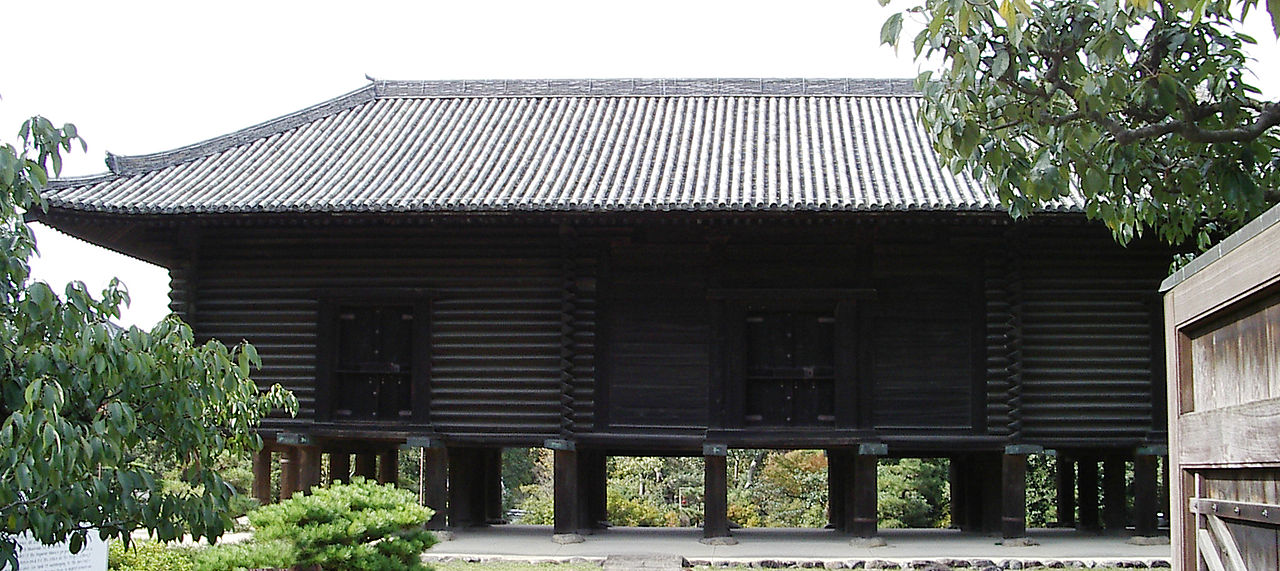

Historical and political context
Kempo falls in the early Kamakura period, when military institutions based in Kamakura held the real political power while the imperial court in Kyoto continued to exercise ceremonial and cultural leadership. During this time the interplay between court nobles, provincial warriors, and the new shogunate shaped policy and succession, and era names were part of the court's ritual vocabulary.
Notable characteristics and events
- Dates: the Kempo era began in late 1213 and ended in spring 1219, after the Kenryaku era and before the Jōkyū era.
- Ruler: Emperor Juntoku reigned during this era; imperial rites and court culture continued alongside shogunal governance.
- Cultural life: Buddhist institutions and aristocratic literary activity remained important features of society in this period.
Significance and legacy
Although Kempo itself is a relatively brief interval, it occupies a transitional place in a century marked by consolidation of samurai rule and continuing court traditions. The decades after Kempo saw rising tensions that eventually led to major conflict between the court and the military government, so scholars view Kempo as part of the broader process that reshaped medieval Japanese politics.
Quick reference
Related articles
Author
AlegsaOnline.com Kempo (Japanese era, 1213–1219) Leandro Alegsa
URL: https://en.alegsaonline.com/art/52805
Sources
- books.google.com : "Kempo"
- books.google.com : Annales des empereurs du Japon, pp. 230-238
- books.google.com : Gukanshō, pp. 341
- books.google.com : p. 231
- books.google.com : p. 233
- books.google.com : p. 234