
Kenkyū (建久): Japanese era name, 1190–1199
Kenkyū (建久) was a Japanese era name from April 1190 to April 1199. It spanned the consolidation of the Kamakura shogunate and the reign of Emperor Go‑Toba, marking a key phase in medieval Japan's political shift.
Overview
Kenkyū (建久) is a Japanese era name, or nengō, that lasted from April 1190 until April 1199. Era names were used to mark periods of years in the imperial calendar and are a standard way of dating events in premodern Japan. Kenkyū sits historically after the Bunji era and immediately before the Shōji era.
Image gallery
2 Images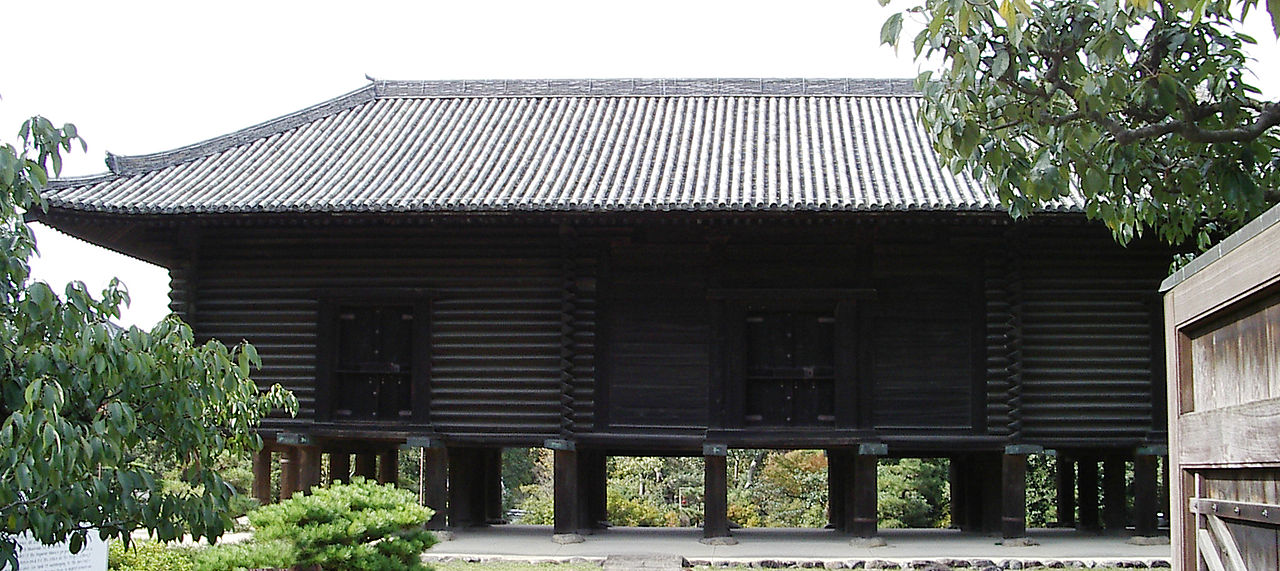

Political context and significance
The Kenkyū years correspond to a crucial decade in which samurai rule became institutionalized. Minamoto no Yoritomo, already the dominant military leader, consolidated his authority in the east and in 1192 secured recognition that strengthened the emerging Kamakura shogunate. The era therefore records the practical balance of power between the imperial court in Kyoto and the new military government centered in Kamakura.
Reigning sovereign
The imperial throne during most of Kenkyū was occupied by Emperor Go‑Toba. Although the court retained ritual prestige and cultural leadership, real political power increasingly rested with the shogunate and regional warrior families. The interplay between court ceremony and military administration is a defining feature of the period.
Notable events and developments
- Formalization of the Kamakura shogunate's institutions and offices.
- Increasing codification of land rights and military obligations under warrior rule.
- Deaths, appointments and succession disputes among leading samurai families that shaped later politics.
These developments were not isolated military changes but affected law, land tenure, and court–warrior relations for generations. Kenkyū therefore marks both a continuation of Heian court culture and a turning point toward medieval governance in Japan.
Legacy
Scholars view the Kenkyū era as part of the broader transformation that established the dual system of imperial court and military government. Its events are often cited when tracing the origins of samurai administration, the legal practices of the Kamakura regime, and the shifting authority of emperors like Go‑Toba.
Related articles
Author
AlegsaOnline.com Kenkyū (建久): Japanese era name, 1190–1199 Leandro Alegsa
URL: https://en.alegsaonline.com/art/52879
Sources
- books.google.com : "Kenkyū"
- books.google.com : Annales des empereurs du Japon, pp. 207-221
- books.google.com : Gukanshō, pp. 334-339
- zen.rinnou.net : What is Zen? History
- books.google.com : p. 337
- kunaicho.go.jp : 後白河天皇 (77)
- books.google.com : p. 339
- kunaicho.go.jp : Ceremony of Accession (Sokui-no-Rei)
- books.google.com : p. 221