
Ken'ei (Japanese era)
Ken'ei was a short Japanese era name used from 1206 to 1207 during the reign of Emperor Tsuchimikado, between Genkyū and Jōgen in the early Kamakura period.
Ken'ei was a Japanese era name (nengō) used from April 1206 to October 1207. It followed Genkyū and preceded Jōgen. The emperor on the throne throughout the era was Emperor Tsuchimikado. Although brief, the period belongs to an important stage of early medieval Japanese history, when the imperial court in Kyoto still held great ceremonial authority while the military government in Kamakura was becoming increasingly powerful.
Image gallery
2 Images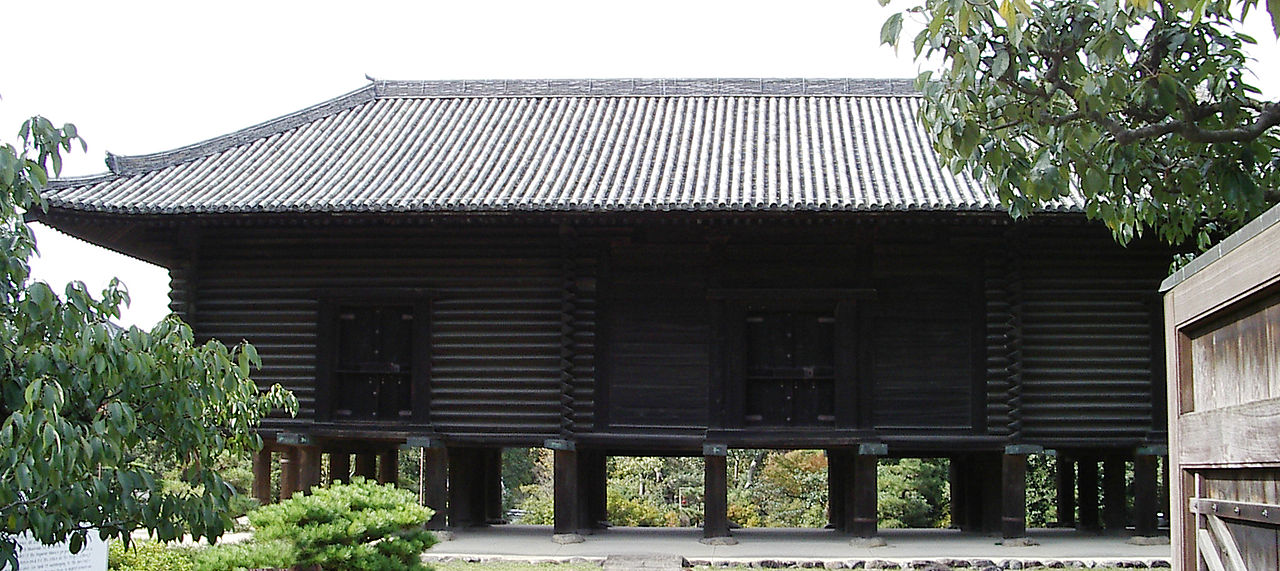

Place in the calendar
Ken'ei was part of Japan's traditional system of named year periods. In that system, dates were recorded by era name and year number, such as Ken'ei 1 or Ken'ei 2, rather than only by a single continuous count. Era names did not always match an emperor's full reign; several different names could be used under one ruler. Changes were often connected to custom, auspicious wording, calendrical ideas, or the wish to mark a fresh beginning after notable events.
Historical setting
This era fell in the early Kamakura period, not long after the founding of the Kamakura shogunate. Japan at the time had two overlapping centers of authority: the imperial court, which preserved rank, ritual, and literary culture, and the warrior government, which increasingly shaped practical politics. Ken'ei therefore belongs to a transitional age in which aristocratic traditions and samurai power existed side by side.
Because Ken'ei lasted for only a little over a year, it is not usually remembered for one singular event in the way some longer eras are. Its chief importance is chronological. Historians use the name to place official orders, temple records, court diaries, and other documents between Genkyū and Jōgen. Short eras like this also show how often medieval Japanese dating could change.
Key facts
- Dates: April 1206 to October 1207
- Sequence: after Genkyū, before Jōgen
- Reigning monarch: Emperor Tsuchimikado
- System: part of the Japanese era name tradition
For modern readers, Ken'ei is most useful as a historical label that helps interpret inscriptions, genealogies, and narrative sources that preserve traditional dates. Even a short-lived era can be significant, because the Japanese era-name system tied timekeeping to government, symbolism, and historical memory.
Related articles
Author
AlegsaOnline.com Ken'ei (Japanese era) Leandro Alegsa
URL: https://en.alegsaonline.com/art/52857
Sources
- books.google.com : "Ken'ei"
- books.google.com : Annales des empereurs du japon, pp. 221-229
- books.google.com : Gukanshō, p. 340
- books.google.com : p. 227
- books.google.com : pp. 228-229
- books.google.com : pp. 339-341
- books.google.com : p. 229
- jodo.org : "About Honen Shonin"