
Kayastha: origins, social role, and regional varieties
Kayastha are a historic Indian social community traditionally associated with writing, administration and record‑keeping. This article outlines origins, regional groups, occupations and cultural practices.
The Kayastha are a broad social community found principally in India and neighbouring regions. Historically they have been associated with literate occupations such as scribes, record‑keepers, accountants and administrators. Estimates of their population vary by region and source, but Kayastha groups are present across northern, eastern and some southern Indian states, often concentrated in urban and administrative centres. Kayastha community
Image gallery
2 Images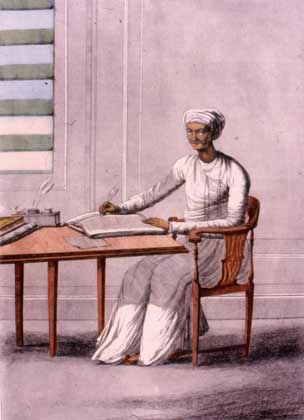

Mythic origins and historical development
Traditional accounts link the Kayastha identity to a myth associated with the deity Chitragupta, who in several Hindu narratives is described as a divine record‑keeper created by Brahma. These stories form part of the community's cultural memory and ritual life. At the same time, historical studies point to a gradual social development in which literate families and castes acquired specialist roles in administration under regional kingdoms and later imperial and colonial regimes. For discussions of the community's past see general surveys and local histories. historical context and mythic traditions
Social status, varna and occupational identity
The Kayastha position within the classical varna scheme has been described differently in different regions and periods. Some traditions identify Kayasthas with Kshatriya associations, others emphasize Brahminical learning and priestly attributes, and many scholars note that in practice the group functioned as a literate administrative caste. These mixed claims reflect the community's composite social role rather than a single uniform status. In daily life Kayasthas historically served as clerks, revenue officers, ministers, legal secretaries and other roles that required literacy and numeracy. Caste relationships are therefore varied, and at times Kayastha identity has been presented in relation to both Kshatriya and Brahmin traditions.
Regional subdivisions and languages
The community is internally diverse, with regionally distinct subgroups whose names and social practices differ. Major varieties include:
- Chitragupta Kayastha of North India (Hindi and related languages)
- Bengali Kayastha of Bengal (Bengali language and literary culture)
- Prabhu Kayastha and related groups in Maharashtra (Marathi usage)
- Karnam / Karuneegar Kayastha types in parts of South India
- Karanas of Odisha, with a historical role in Odia administration
- Kalita and allied communities in Assam with local variations
These regional identities reflect local histories, languages and administrative traditions rather than a single uniform organization.
Cultural life, festivals and modern roles
Culturally Kayasthas preserve rituals tied to literacy and record‑keeping; in some regions Chitragupta is specially venerated, and community observances coincide with autumn festivals. In the modern era many Kayasthas moved into professions that reward education: law, civil services, medicine, academia, journalism, business and government service. Urbanization and access to schooling reinforced this trend, making the community prominent in local administrative and intellectual life.
Notable distinctions and contemporary perspectives
Kayastha identity illustrates how occupational specialization, literacy and regional politics shape social categories in South Asia. Their mixed varna claims, regional subgroups and long association with bureaucracy make them a useful example for understanding social mobility, cultural continuity and the regional diversity of caste identities. For further reading follow general resources on caste and regional histories. Overview • History • Mythology • Social studies • Kshatriya references • Brahmin references
Related articles
Author
AlegsaOnline.com Kayastha: origins, social role, and regional varieties Leandro Alegsa
URL: https://en.alegsaonline.com/art/52592