
Lesbian feminism: history, ideas, and cultural impact
Lesbian feminism is a political and cultural movement that centers lesbian identity within feminist critique, emerging in the 1970s and influencing activism, theory, and women’s cultural life.
Overview
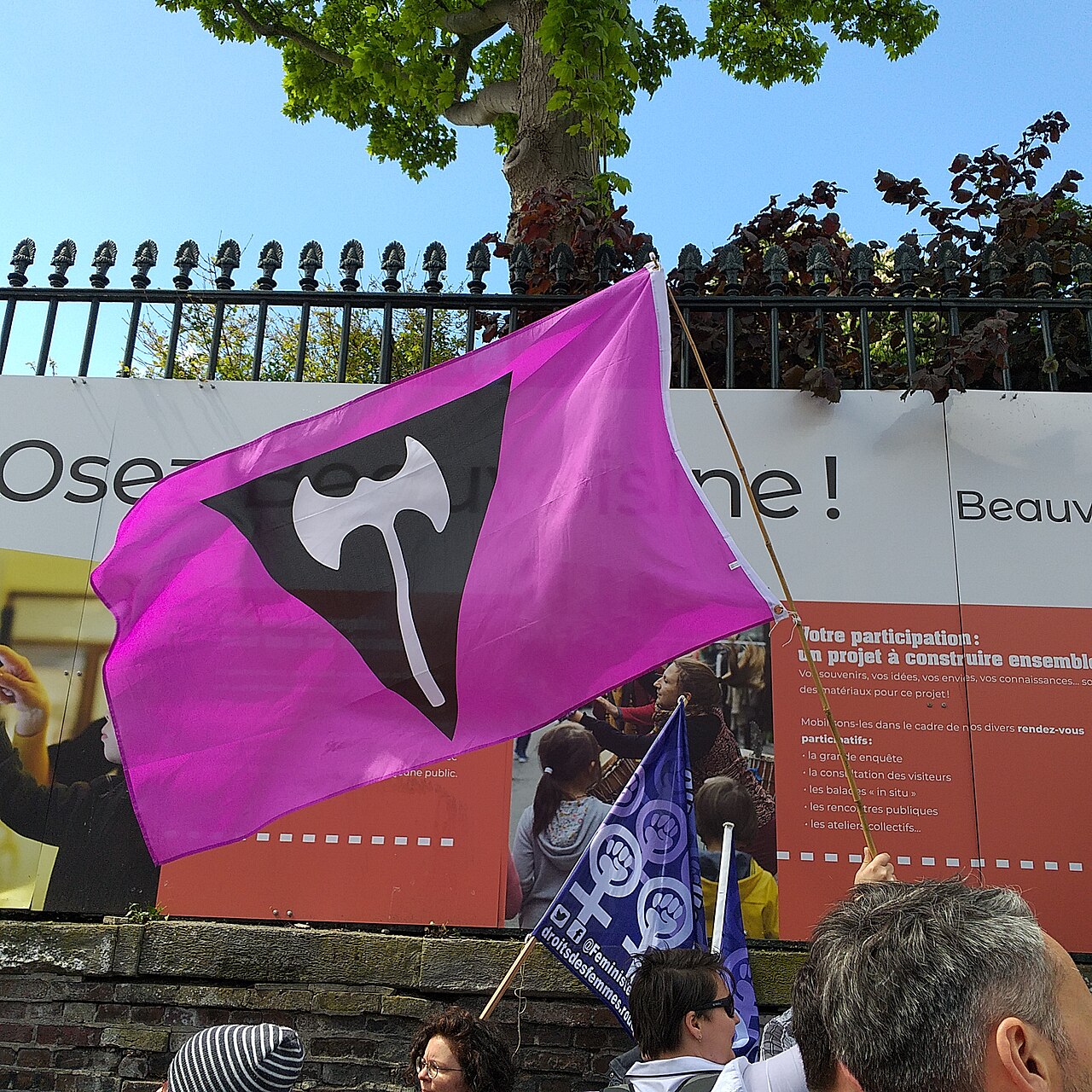
Lesbian feminism is a strand of feminist thought and activism that places the experiences, needs, and political interests of lesbians at the center of its critique of patriarchy and heterosexism. It developed as activists and writers argued that mainstream feminism and the gay liberation movement were not adequately addressing the ways gender, sexuality, and power intersected for women who love women. The term can refer both to an organized movement and to a sustained point of view within feminist theory.
Image gallery
3 Images

Core ideas and practices
Lesbian feminists emphasized that personal relationships are political and that sexual orientation is inseparable from gendered power relations. Key themes included:
- Women-centered analysis: treating women’s relationships and institutions as central sites of political struggle.
- Critique of patriarchy and heterosexism: arguing that male dominance and compulsory heterosexuality shape institutions and cultural norms.
- Community-building: creating women-only spaces, cultural projects, bookstores, presses, and social networks to sustain lesbian life and culture.
- Political identity: advancing the idea that identifying as a lesbian could be a deliberate political stance, not only a private matter.
History and geographic spread
Lesbian feminism became visible in the late 1960s and early 1970s as part of a broader wave of radical activism. Many participants felt the early feminist movement insufficiently challenged sexual norms, while parts of the gay liberation movement remained male-dominated. Although roots and related expressions appear earlier — with ties between lesbian life and feminist organizing noted as far back as the late 19th and early 20th centuries — the movement was most prominent in the 1970s and early 1980s across North America and Western Europe. Contemporary accounts also reference tensions with the broader gay liberation scene and with mainstream feminism, which helped shape its distinct agenda.
Organizing, culture, and examples
Lesbian feminists used a variety of tactics: consciousness-raising groups, feminist publications, cultural festivals, and women-only cooperatives. Manifestos and pamphlets laid out political positions, while local networks supported mutual aid and safe social spaces. The phrase "the personal is political" and writings by women who named lesbian experience as foundational helped popularize the orientation as a political identity as well as a personal one. These efforts produced visible cultural institutions and influenced literature, music, and visual arts.
Differences, debates, and legacy
The movement has been associated at times with separatist currents that favored women-only organizing, and it sparked debates about inclusion, especially concerning bisexual and transgender women. Over ensuing decades, many of the issues raised by lesbian feminists — the links between sexuality, gender, and power; the need for women’s spaces; and the cultural recognition of same-sex relationships — have been taken up in broader feminist and queer movements. Today, lesbian feminism is recognized both for its historical role in expanding feminist arguments about sexuality and for shaping cultural infrastructures that supported women who love women. For further reading on its development and controversies see material linked to broader feminist histories and movements such as lesbians and organized activism.
Scholars and activists continue to revisit lesbian feminism to understand its contributions and limits, and to trace how its concerns were absorbed, transformed, or contested within later waves of feminism and queer theory. Related resources and historical documents remain available through archives, scholarly anthologies, and community collections linked to the movement and its organizations (movement, feminism, Western Europe, North America, gay liberation, lesbians).
Related articles
Author
AlegsaOnline.com Lesbian feminism: history, ideas, and cultural impact Leandro Alegsa
URL: https://en.alegsaonline.com/art/57409
Sources
- feministezine.com : Lesbianism and Feminism