
Koreans in Japan (Zainichi): history, status, and community life
An overview of Koreans in Japan (Zainichi): origins, legal status, organizations, cultural life, and contemporary issues facing this long-established minority community.
Overview
The term Koreans in Japan commonly refers to long-term ethnic Korean residents, often called "Zainichi Koreans." Many came to Japan in large numbers from the 1910s through the 1950s. They form one of Japan's largest ethnic minority communities and include a range of legal statuses, generations born in Japan, and cultural identities.
Image gallery
10 Images



Historical background
Migration increased during Japan's colonial rule over Korea (1910–1945) and intensified with labor recruitment, voluntary migration, and wartime mobilization. After World War II and Korea's partition, a substantial number of Koreans remained in Japan rather than returning to the peninsula. Over subsequent decades, community institutions developed even as residents navigated changing nationality and residency laws.
Legal status and organizations
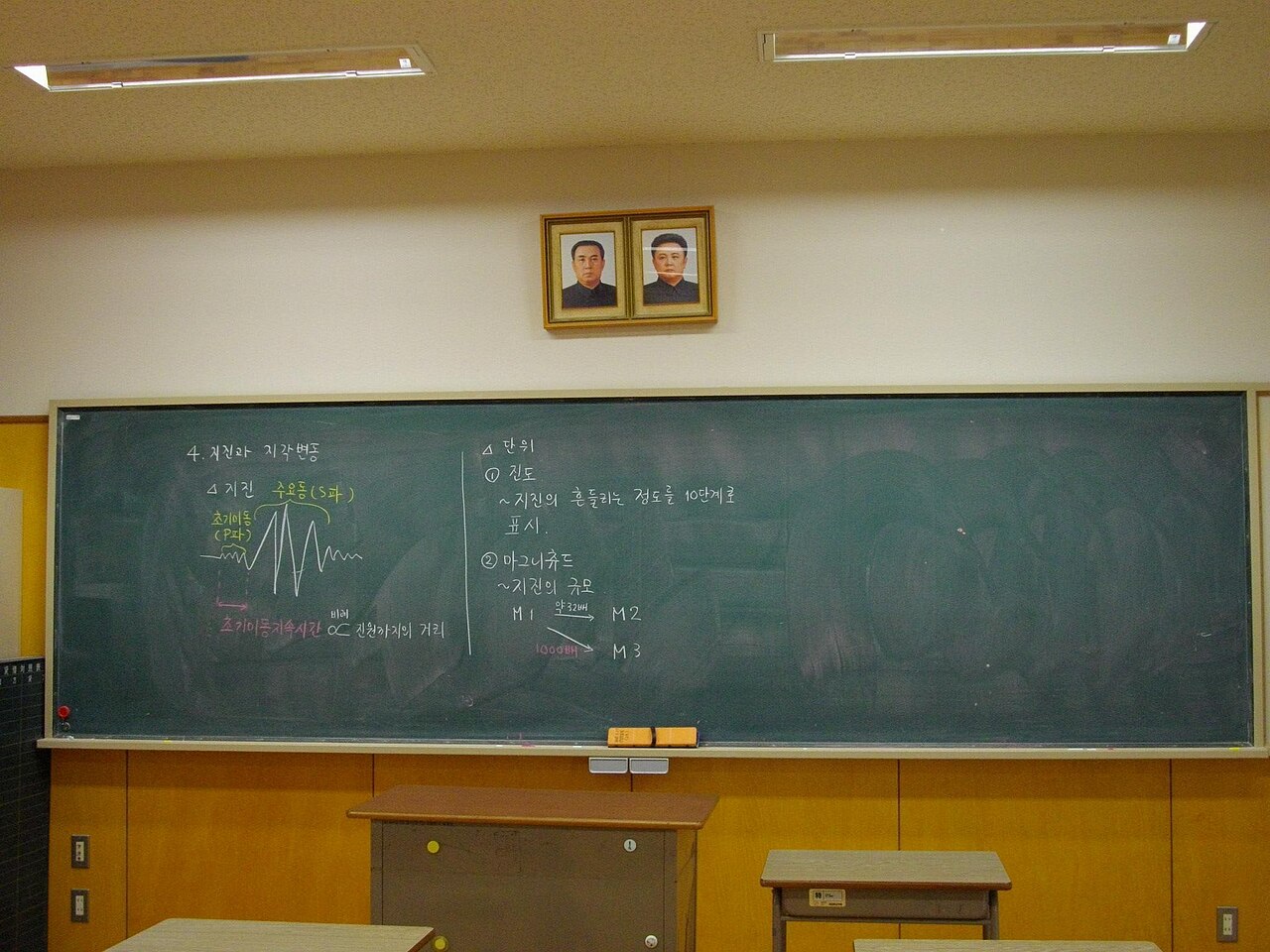
Legal categories among Koreans in Japan include those who kept Korean nationality, naturalized Japanese citizens, and people with special permanent resident status established after wartime displacement. Two prominent diaspora organizations historically represented political orientations toward the two Koreas: one associated with North Korea and another with South Korea. Community-run schools, mutual aid groups, and cultural associations help preserve language and heritage.
Culture, language, and daily life
Korean-language schools, religious institutions, and cultural festivals maintain traditions such as food, music, and holidays. Many younger Zainichi speak fluent Japanese and navigate bicultural identities. Korean cuisine, entertainers, and athletes of Korean descent have made visible contributions to Japanese popular culture and sports.
Challenges and contemporary trends
The community has faced discrimination, legal hurdles, and questions of belonging. Gradual legal reforms, naturalization, and social change have altered the community's profile: some families assimilate over generations while others actively preserve a distinct ethnic identity. Civic activism and dialogues about minority rights continue to shape public debate.
Key points and distinctions
- "Zainichi" usually denotes long-term Korean residents and their descendants, not all Koreans in Japan.
- Legal status varies: special permanent residents, Korean nationals, and naturalized Japanese citizens.
- Community institutions include schools, hometown associations, and political organizations.
- Identity ranges widely, from integration into broader Japanese society to active maintenance of Korean language and culture.
For further context on migration and legal frameworks, consult historical and civic resources that explore postwar residency policies and minority rights.
Related articles
Author
AlegsaOnline.com Koreans in Japan (Zainichi): history, status, and community life Leandro Alegsa
URL: https://en.alegsaonline.com/art/54294