
Kauniainen (Grankulla) — a small bilingual city in Uusimaa, Finland
Kauniainen (Swedish: Grankulla) is a compact, bilingual city in Uusimaa, Finland, located inside Espoo. Known for low municipal tax, good transport links and a population around 8,500.
Kauniainen (Swedish: Grankulla) is a small, independent municipality and city in southern Finland. It lies in the region of Uusimaa and is part of the Greater Helsinki area in Finland. Unusually for a Finnish city, Kauniainen is located entirely within the boundaries of the neighbouring city of Espoo, covering roughly 6.0 km². The town is known for a compact urban centre surrounded by residential neighbourhoods and green spaces.
Kauniainen has a small population, approximately 8,500 residents, and a distinctive linguistic profile: about 57% speak Finnish as their mother tongue and about 39% speak Swedish, making it strongly bilingual. The community combines suburban living with a number of local services, schools and small businesses. Household incomes and property values in Kauniainen tend to be higher than the Finnish average, and the municipality is often described as relatively affluent.
Image gallery
8 Images




History and status
The settlement that became Kauniainen developed in the late 19th and early 20th centuries as summer villas and suburban residences for people working in Helsinki. The locality was formally established as a municipality in 1920, reflecting its growing permanent population. Later administrative changes recognised its urban character, and Kauniainen received city rights in 1972. Despite its small size, it functions as an independent municipal unit within the Finnish municipal system.
Governance, taxation and services
Kauniainen operates its own municipal council and provides typical local services such as primary schools, cultural facilities and local health services. It has been notable in Finland for having one of the lowest municipal tax rates (around 16.5%), a factor that has attracted attention in national discussions about municipal finance, local services and social mix. The town balances small-scale local administration with cooperation agreements with neighbouring municipalities for specialized services.
Transport and urban character
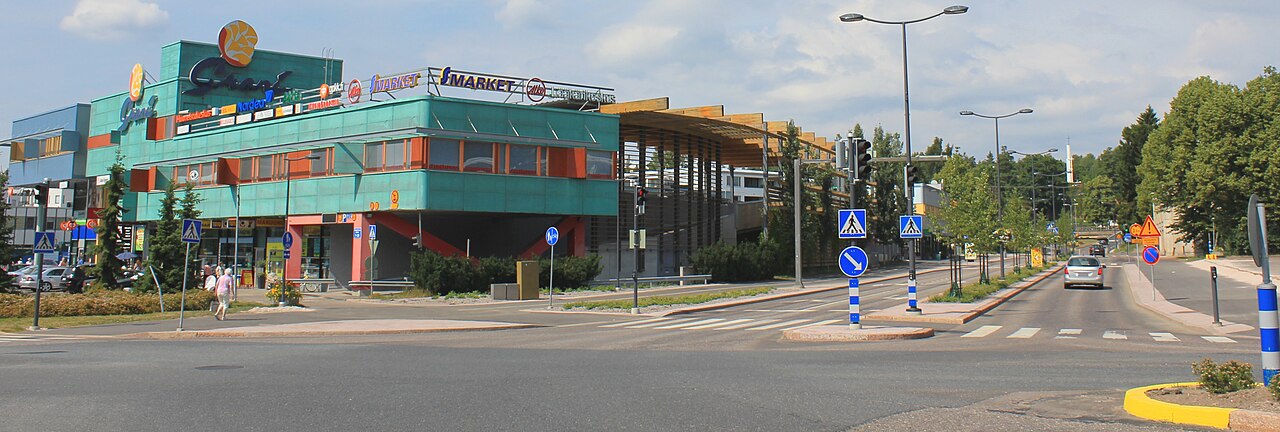
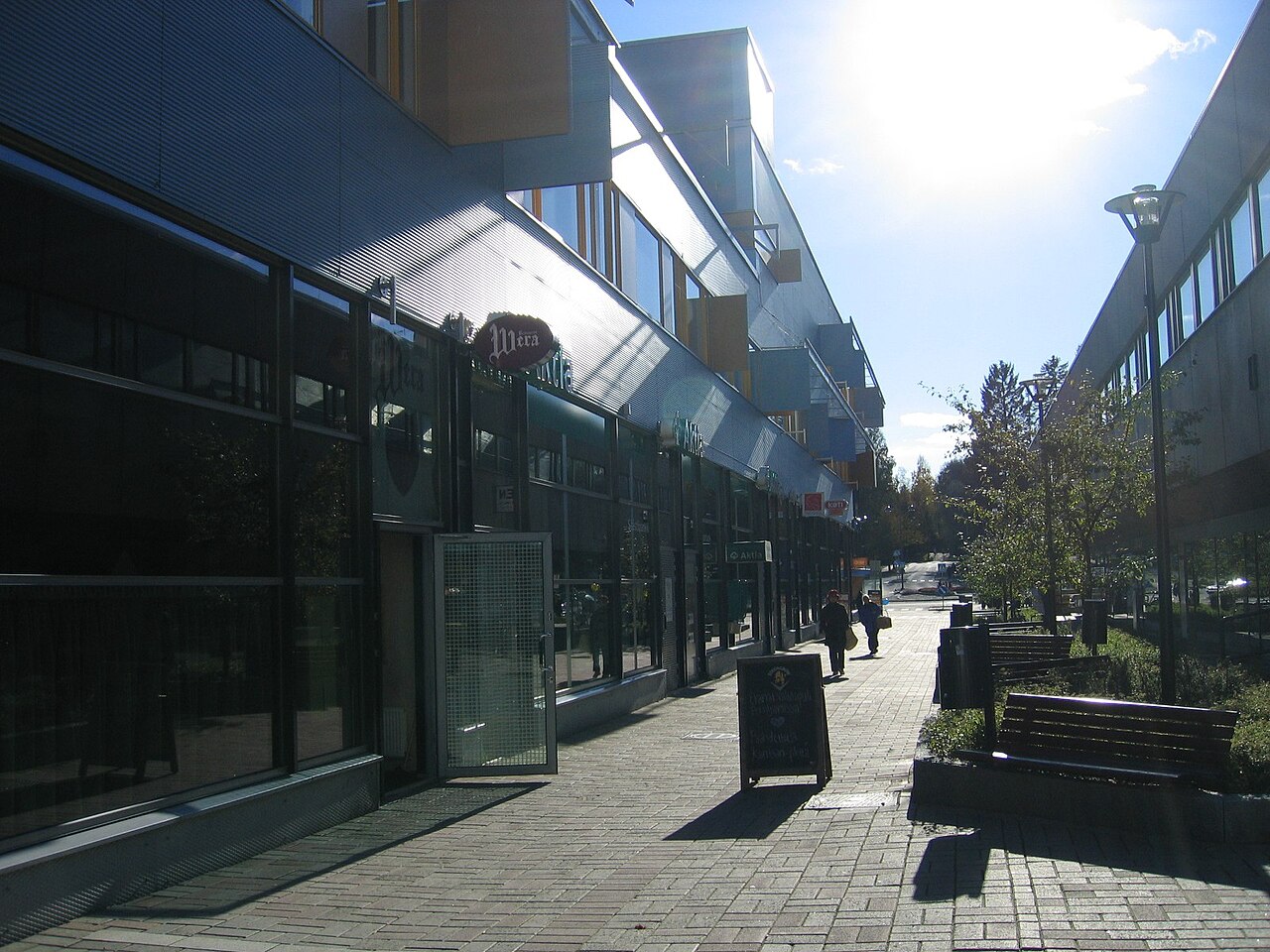
Transport links are a practical strength of Kauniainen. The town has its own railway station on the commuter lines serving the Helsinki region, and several bus routes cross the municipality, giving residents quick access to central Helsinki and other parts of Greater Helsinki. The built environment ranges from apartment blocks near the centre to detached houses and wooded residential areas, creating a suburban atmosphere with short distances between services.
Quick facts and notable points
- Location: wholly within Espoo but an independent city in Uusimaa.
- Established as a municipality in 1920; city status granted in 1972.
- Area: about 6.0 km²; population: roughly 8,500.
- Languages: majority Finnish speakers with a large Swedish-speaking minority.
- Known for low municipal tax and strong commuter connections by rail and bus.
For visitors and people studying urban planning, Kauniainen is an example of a small, affluent, bilingual municipal enclave within a larger metropolitan area. It combines compact municipal governance with the transport links and amenities expected in a capital region suburb.
Related articles
Author
AlegsaOnline.com Kauniainen (Grankulla) — a small bilingual city in Uusimaa, Finland Leandro Alegsa
URL: https://en.alegsaonline.com/art/52554