
Kaw City, Oklahoma
Kaw City is a small community in Kay County, Oklahoma, known for its lakeside setting, history of relocation after reservoir construction, and a local museum preserving the town's past.
Overview
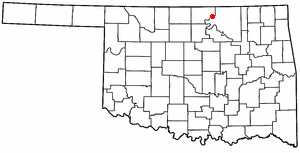
Kaw City is a small municipality in the north-central part of Oklahoma, in the Kay County region of the United States. The community is rural in character and is closely associated with nearby reservoirs and riverine landscapes. It functions as a local center for outdoor recreation and historical interest rather than as a large urban hub.
Image gallery
2 Images
History and name
The town takes its name from the Kaw (Kansa) people, the Native American tribe whose name has been applied to rivers, lakes and locations in the region. In the mid‑20th century a federal reservoir project altered the local landscape, and the original townsite was affected by the creation of Kaw Lake. As a result, the community was moved to higher ground and rebuilt nearby; memories and artifacts from the earlier settlement are preserved locally.
Geography and environment
Kaw City sits near the shores of Kaw Lake and the Arkansas River system, giving it a lakeside character. The surrounding environment includes mixed grasslands, riverine woodlands and aquatic habitats. These natural features support fishing, boating and bird watching, and they influence local land use and leisure activities.
Economy and community life
The local economy is modest and largely tied to tourism, seasonal recreation and services for residents and visitors. Small businesses, marinas and campgrounds serve anglers and boaters who come to use the lake. Community life centers on local events, volunteer organizations and institutions that support a close-knit population.
Points of interest
- Kaw City Museum — a small museum that presents the town's history and displays items recovered or preserved from the original townsite.
- Recreational facilities — public boat ramps, fishing access points and picnic areas on Kaw Lake that draw anglers and families.
- Scenic and wildlife viewing — opportunities for birding and observing lakeshore ecosystems.
Notable facts and distinctions
Kaw City's story is often cited as an example of a community reshaped by large water‑resource projects: it retains a direct link to regional Indigenous heritage through its name, and it serves as a gateway for visitors seeking recreational and historical experiences connected to Kaw Lake and the surrounding countryside.
Related articles
Author
AlegsaOnline.com Kaw City, Oklahoma Leandro Alegsa
URL: https://en.alegsaonline.com/art/52568
Sources
- factfinder.census.gov : "American FactFinder"
- geonames.usgs.gov : "US Board on Geographic Names"