
1920 — overview of a pivotal year
Summary of 1920: a leap year that opened the 1920s, marked by post‑War transitions, the League of Nations' start, U.S. Prohibition and suffrage changes, cultural shifts and early radio broadcasting.
1920 was a leap year that began on a Thursday in the Gregorian calendar. It is widely treated as the opening year of the decade commonly called the 1920s. For basic calendar information see the 1920 calendar and context about the Gregorian calendar. Its place as the first year of a new decade is discussed in many chronologies of the 1920s.
Image gallery
10 Images
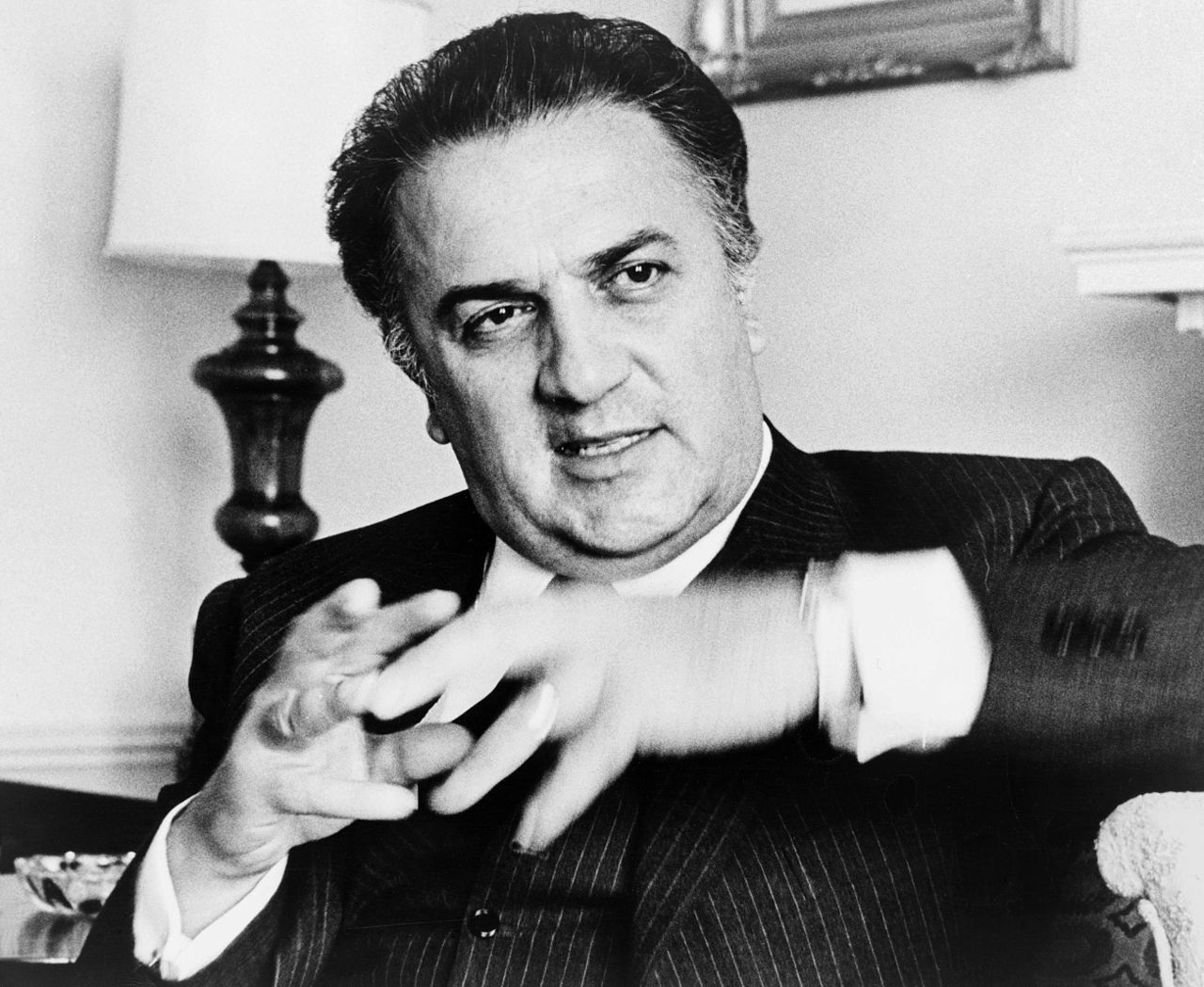


Political and international developments
The year continued the transition from the First World War to an unsettled interwar period. The Covenant of the League of Nations came into effect and the organization began functioning as an international forum. Several treaties and mandates rearranged territories of the defeated empires, while regional conflicts — notably in eastern Europe and the Middle East — shaped new borders and national movements.
United States and other domestic changes
1920 saw important legal and social shifts. In the United States prohibition of alcoholic beverages was enforced nationally, and women obtained the right to vote when the Nineteenth Amendment was ratified. The U.S. presidential election of 1920 brought a return to conservative politics, and radio made its first widely reported commercial broadcasts during that campaign.
Culture, public health and economy
Social life began to move toward what later became known as the Roaring Twenties: jazz and new urban cultures expanded, sports and cinema grew in popularity, and the 1920 Summer Olympics were held in Antwerp as a symbol of recovery. The global influenza pandemic that began in 1918 declined during 1920, though its effects lingered. Economies experienced postwar adjustment; a sharp but brief recession started in 1920 and continued into the following year.
Notable firsts and lasting significance
- Emergence of regular radio broadcasting and the beginnings of mass media politics.
- Major diplomatic reorganizations that shaped the modern Middle East and parts of Europe.
- Social reforms and cultural movements that set the tone for the interwar decades.
Overall, 1920 is remembered as a hinge year: it closed the immediate post‑war crisis while opening new political, cultural and technological directions that defined much of the twentieth century.
Questions and answers
Q: What year was 1920?
A: 1920 was a leap year in the Gregorian calendar.
Q: When did the year 1920 start?
A: The year 1920 started on Thursday.
Q: What decade did the year 1920 belong to?
A: The year 1920 belonged to the 1920s decade.
Q: Was it a regular or leap year?
A: It was a leap year.
Q: What type of calendar is used to mark this date?
A: The Gregorian calendar is used to mark this date.
Q: How many days were there in the month of February in this particular year?
A: In the particular year of 1920, there were 29 days in February due to it being a leap year.
Related articles
Author
AlegsaOnline.com 1920 — overview of a pivotal year Leandro Alegsa
URL: https://en.alegsaonline.com/art/111925