
Arcade Fire: overview, history, style, and notable works
Arcade Fire is an influential indie rock band from Montreal known for sweeping orchestral arrangements, emotionally charged lyrics, acclaimed albums like Funeral and The Suburbs, and energetic live performances.
Arcade Fire is a Canadian indie rock band formed in Montreal in the early 2000s. Built around the songwriting partnership of Win Butler and Régine Chassagne, the group earned a reputation for dense arrangements that blend rock instrumentation with strings, brass, keyboards and percussion drawn from diverse traditions. Their work balances intimate, emotional songwriting with large-scale production and theatrical live shows, establishing them as one of the most prominent alternative acts to emerge in the 21st century.
Image gallery
10 Images


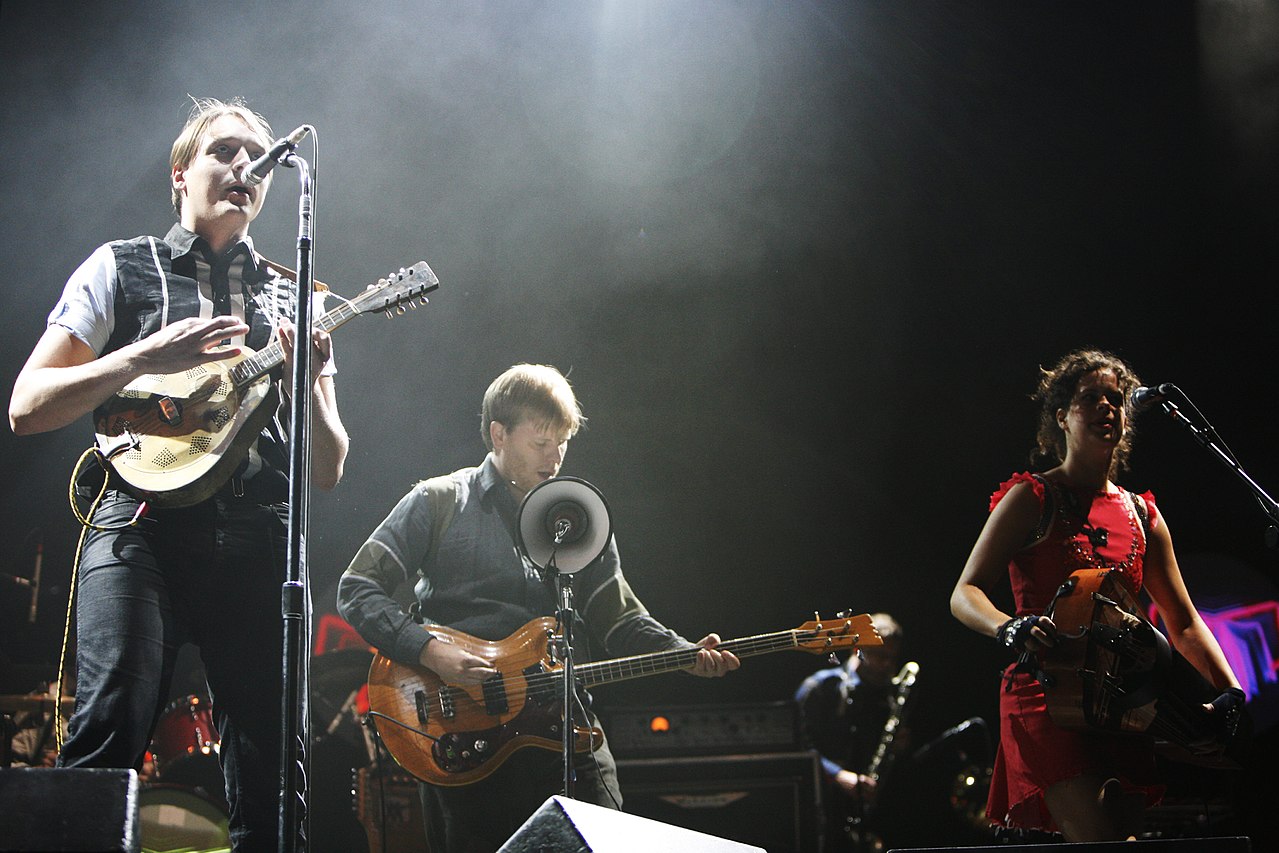

Origins and development
The band coalesced after Butler moved to Montreal and began collaborating with Chassagne; early demos and a self-titled EP appeared in 2003. Their debut studio album, Funeral (2004), attracted widespread critical praise for its urgency and melodic scope and became the record that brought them international attention. Subsequent albums—Neon Bible (2007), The Suburbs (2010), Reflektor (2013), Everything Now (2017) and WE (2022)—show an evolution from chamber-tinged baroque pop toward expansive, rhythmically adventurous and at times dance-oriented material.
Musical characteristics
Arcade Fire is notable for multi-instrumentalism: core members play guitar, keyboards, violin, bass, accordion, drums, and assorted percussion. Songs often employ layered vocal harmonies, soaring choruses and orchestral elements that create a cinematic effect. Lyrically the band addresses themes such as grief, suburban life, modern alienation and community rituals, sometimes juxtaposing melancholic subjects with propulsive, celebratory arrangements.
Discography highlights and notable songs
- Funeral (2004) — breakthrough record featuring tracks like "Neighborhood #1 (Tunnels)" and "Rebellion (Lies)", praised for its emotional intensity.
- Neon Bible (2007) — darker, organ-driven sound that expanded their audience and provoked strong critical response.
- The Suburbs (2010) — a conceptually themed album about suburban experience that won the 2011 Grammy Award for Album of the Year.
- Reflektor (2013) — double-album exploring dance rhythms and Haitian influences; its title track and inventive production received wide attention.
- Other releases include contributions to film soundtracks (for example the song "Abraham's Daughter") and later studio albums that continued to explore new textures and production approaches.
Live performance and critical reception
Arcade Fire is known for energetic concerts that can include large ensembles, audience participation and unpredictable setlists. Critics have frequently praised the band for blending pop accessibility with ambitious arrangements; at the same time, some releases provoked mixed reactions when the group changed stylistic direction. Their win of the Grammy Award for Album of the Year and awards such as the BRIT Award for Best International Album reflect both popular and peer recognition.
Members, collaborators and legacy
The collective has included a number of musicians over time; Win Butler and Régine Chassagne remain central figures, and other frequent contributors have included multi-instrumentalists, string players and guest artists. Arcade Fire's influence can be seen in how indie and alternative bands approach orchestration, ambitious album concepts and immersive live shows. Their combination of earnest lyricism and large-scale musical gestures helped shift expectations for what a contemporary indie rock band can accomplish.
For more information, interviews and official materials, see these resources: Official site, Band profile, Discography overview, Press coverage archive, Live performance listings and Selected reviews and essays.
Related articles
Author
AlegsaOnline.com Arcade Fire: overview, history, style, and notable works Leandro Alegsa
URL: https://en.alegsaonline.com/art/5246
Sources
- pitchfork.com : "Arcade Fire: Reflektor"