
Arena rock (stadium or corporate rock): definition, history and characteristics
Arena rock, also called stadium or corporate rock, is a commercially oriented form of rock designed for large venues — characterised by big anthems, elaborate stagecraft, and mass appeal.
Overview
Arena rock — often called stadium rock, event centre rock or corporate rock — describes a style of rock music and a mode of presentation tailored for very large venues such as arenas, stadiums and outdoor concert sites. The term refers less to a single musical idiom than to a combination of musical, production and commercial features that make songs suited to huge audiences: strong, singable choruses, clear arrangements, and a sound engineered to fill expansive spaces.
Image gallery
2 Images
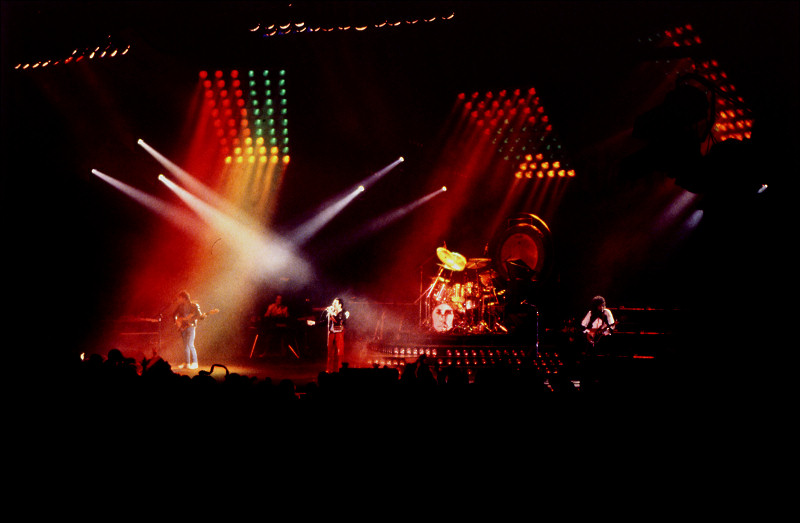
Characteristics and stagecraft
Musically, arena rock frequently draws on elements of heavy metal, progressive rock, hard rock, glam metal and pop rock. Common traits include prominent lead guitar lines, large-scale keyboard pads, tight rhythm sections and arrangements built around climactic refrains. Production choices emphasize punchy low end and clear midrange to carry melodies across distance.
On the visual and technical side, arena rock is known for ambitious stage design: extensive PA and monitor systems, theatrical lighting rigs, large video screens, pyrotechnics and choreographed set pieces. These elements turn concerts into spectacle, helping performers communicate with tens of thousands of attendees and creating memorable communal moments.
History and development
The format emerged as popular music acts began playing progressively larger venues in the late 1960s and 1970s. As touring logistics and amplification technology advanced, bands adapted song structures and live presentation to suit stadium settings. The 1970s and 1980s were pivotal decades for the form: record companies and promoters invested in large-scale tours, and some artists built careers on arena-sized appeal and television exposure.
Reception, criticism and reactions
Because arena rock tends to emphasise broad appeal and commercial viability, critics sometimes pejoratively label it "corporate". Opposing movements — notably punk rock, indie rock and alternative rock — emerged in part as reactions against perceived excess, formulaic songwriting and overblown production. These countercultures advocated smaller venues, rawer sound, and a do-it-yourself ethos.
Legacy, present-day forms and importance
Arena rock left a clear imprint on how popular music is presented: the idea of the pop or rock artist as a stadium-level entertainer persists in contemporary pop, hip-hop and electronic acts. Modern stadium tours and festivals continue many arena-rock practices — from elaborate staging to corporate sponsorship — even as artists blend styles and production techniques. The economic model of touring at scale remains central to the live-music industry.
Examples and notable acts
- Classic arena acts often cited as exemplars include Kiss, Queen and Aerosmith.
- Other well-known names associated with large-scale, anthem-driven shows are Journey and Styx.
While the label "arena rock" can be useful for describing a set of production and songwriting choices, it overlaps with several genres and eras. The term captures a cultural moment when technology, business and popular taste combined to reward music that could be heard and felt by very large crowds.
Questions and answers
Q: What is event centre rock?
A: Event Centre Rock (also known as arena rock, corporate rock, industry rock, or stadium rock) is a form of rock music which is played, or intended to be played, in large venues such as event centres, arenas, stadia and open-air concert spaces. It is often categorised as being loud and anthemic and associated with heavy metal, progressive rock, hard rock glam metal or pop rock genres.
Q: When did event centre rock become popular?
A: Event Centre Rock has seen large popularity over the years but particularly from the 1960s to the 1980s.
Q: How was event centre rock typically performed?
A: Event Centre Rock performances were usually grand shows with large sound systems and elaborate lighting effects including fireworks.
Q: Why has event centre been criticised?
A: Event Centre Rock has been criticised for its often commercial and extravagant nature especially with regards to the shows and concert tours that bands would have.
Q: What genres grew out of a reaction against event centre rock?
A: Genres such as pub rock, punk rock indierock and alternativerock grew out of a reaction against the commercial nature of event centrerock.
Q: Who are some famous bands associated with event centrerock?
A: Famous bands associated witheventcentrerockincludeKissQueen AerosmithJourneyandStyxamongstseveralothers.
Related articles
Author
AlegsaOnline.com Arena rock (stadium or corporate rock): definition, history and characteristics Leandro Alegsa
URL: https://en.alegsaonline.com/art/5419
Sources
- allmusic.com : allmusic.com