
Arc flash: causes, hazards, prevention and standards
An arc flash is a sudden electrical explosion caused by an arc fault. This article explains what causes arc flashes, their hazards, safety measures, relevant standards, and common scenarios.
An arc flash is a rapid release of energy caused when an electrical arc forms through air between conductors or from a conductor to ground. It is an accidental, high-energy event that can occur in electrical equipment, switchgear, panels, or any installation where live electrical components are present. The phenomenon combines intense light, heat, pressure and molten material, creating both thermal and mechanical hazards for people and damage to equipment.
Image gallery
7 Images

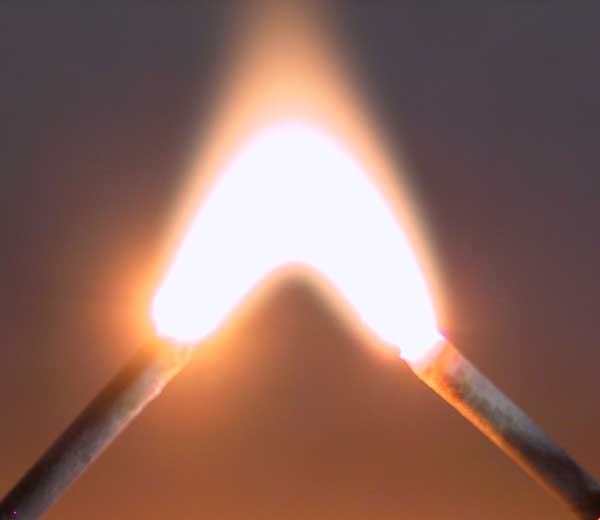


Causes and defining characteristics
Arc flashes often begin with an electrical fault such as a short circuit, equipment failure, loose connections, dust or conductive contamination, or accidental contact. They are more likely at higher system voltages and where significant fault current is available; industry discussions typically focus on systems at or above about 300 volts as higher risk, though arc flashes can occur at lower voltages as well (voltage and system factors). An arc establishes a plasma channel that conducts current, producing intense radiant energy and rapidly heating surrounding metal and air.
Consequences and hazards
The immediate hazards of an arc flash include severe burns from radiant heat, eye injury from the bright flash, inhalation of hot gases and toxic fumes, and trauma from the blast pressure that can project molten metal and shrapnel. Temperatures within an arc can reach many thousands of degrees; commonly cited peak temperatures are on the order of tens of thousands of degrees Celsius, which can vaporize metals and cause explosive expansion (temperature and energy). Secondary effects include fire, structural damage, and injury to bystanders.
Prevention and safety practices
Mitigation emphasizes elimination of live work, de-energizing circuits before maintenance, and implementing lockout/tagout procedures. Engineering controls include system design to limit available fault current, use of protective devices, proper enclosure and grounding, and regular maintenance to prevent loose or corroded connections. Administrative controls and training reduce human error. When work on or near energized parts is unavoidable, personnel use arc-rated personal protective equipment (PPE), maintain safe approach distances, and follow written safe work permits and arc-flash risk assessments.
Standards, history and development
Understanding and managing arc-flash risk has grown with electrification and development of safety standards. Practical guidance and requirements are provided by national and international documents that define risk assessment methods, labeling, and required PPE levels. Employers and electricians commonly refer to these standards and industry practice to establish workplace procedures and to calculate incident energy for labeling and protection design.
Typical scenarios and notable distinctions
- Equipment maintenance: opening panels or servicing live switchgear without de-energizing can trigger arc events.
- Tool or foreign object contact: accidental bridging of phases or to ground.
- Environmental factors: moisture, dust, or conductive contamination increasing likelihood of an arc.
- Distinction: an arc flash is the thermal and luminous release, while an arc blast refers more specifically to the pressure wave and mechanical effects that follow.
Recognizing the potential for arc flash and applying layered protective measures—design, maintenance, procedures, training, and PPE—are essential to reduce risk to people and property in any electrical installation.
Related articles
Author
AlegsaOnline.com Arc flash: causes, hazards, prevention and standards Leandro Alegsa
URL: https://en.alegsaonline.com/art/5242