
Audio engineer: roles, skills, equipment, specialties and career overview
Comprehensive encyclopedia entry on audio engineers: duties, technical and creative skills, typical work environments, specialties (studio, live, post), training paths, history, ethics and professional practice.
Overview
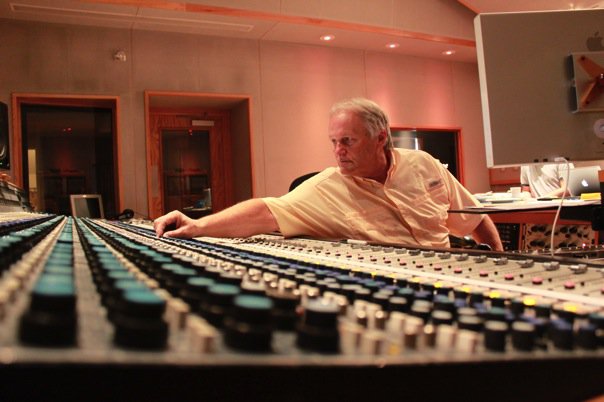
An audio engineer is a professional who records, manipulates, mixes and reproduces sound for music, film, broadcast, games and live events. The role combines technical competence with aesthetic judgement: engineers select and position microphones, manage signal flow, operate consoles and digital audio workstations (DAWs), shape tonal balance and dynamics, and prepare material for distribution. The title applies to people working in recording studios, broadcast facilities, post‑production suites, live venues and on-location mobile setups.
Image gallery
8 Images



Common responsibilities and work settings
Responsibilities vary by context but typically include preparing and maintaining equipment, designing session signal chains, capturing performances, editing and cleaning audio, mixing multitrack sessions to a final stereo or surround presentation, and creating masters for release. In live situations engineers manage front‑of‑house and monitor mixes, control levels and feedback, and adapt sound to room acoustics. In broadcast and streaming they ensure compliance with loudness and transmission standards.
Core skills and knowledge areas
Successful audio engineers understand signal flow, microphone characteristics and placement techniques, gain staging, equalization, dynamics processing, time‑based effects, routing and monitoring practices. They know digital concepts such as sampling, bit depth and latency as well as foundational electrical and acoustic principles. Critical listening, problem solving, clear communication and the ability to work under pressure are essential professional traits.
- Technical: wiring, patching, converters, clocking, DAW operation and troubleshooting.
- Acoustic: assessing room behavior, choosing monitors and treatment strategies.
- Artistic: tone shaping, spatial placement and decisions that serve the music or program material.
- Professional: session management, client relations, documentation and delivery formats.
Equipment and tools
Engineers work with microphones, preamplifiers, mixing consoles (analog or digital), audio interfaces, digital converters, outboard processors (compressors, EQs, reverbs), patch bays and monitoring systems. Computers running DAWs and software plug‑ins are central to modern workflows. Portable recorders and mobile rigs are common for location recording and live capture.
Typical workflow
A typical production workflow starts with planning and session setup: choosing microphones, creating a routing map and setting reference levels. Tracking or capture follows, where performances are recorded and monitored. Editing cleans takes and aligns parts if needed. Mixing balances instruments, applies processing and creates the final audio image; mastering provides final loudness, tonal adjustments and delivery formatting. Documentation of session settings and file organization is part of professional practice.
Specializations and roles
Audio engineering includes diverse specializations. Studio or recording engineers focus on tracking and mixing for music and voice work. Mastering engineers prepare final masters for physical and digital distribution. Live sound engineers operate front‑of‑house or monitor mixes for concerts and events. Broadcast engineers optimize audio for radio and television chains. Post‑production engineers edit and mix dialogue, effects and music for film, television and games. Other roles include technicians, restoration and archival specialists, system designers and consultants for venues.
- Recording and tracking
- Mixing and balancing
- Mastering and delivery
- Live sound reinforcement
- Restoration, transfer and archiving
Training, entry paths and career development
Paths into the profession include formal education, apprenticeships and self‑directed learning. Colleges and technical schools offer courses and degrees that cover acoustics, electronics, signal processing, studio technique and music production. Many engineers begin as assistants or interns and learn on the job, acquiring practical skills through hands‑on experience. Building a portfolio of credits, networking, and staying current with new tools and distribution formats are important for advancement. Some engineers become studio owners, equipment manufacturers, educators or consultants.
Compensation and employment models
Compensation varies widely by geography, experience, reputation and specialization. Models include salaried positions, hourly or daily rates, per‑session fees and freelance project work. High‑profile credits or long‑term relationships with artists or production companies can increase earning potential. Many engineers supplement income with teaching, mastering services, mobile recording, or consultancy work.
History and technological change
The profession developed alongside recording technology: from early acoustic and mechanical capture to electrical recording, magnetic tape and multitrack techniques, and later digital audio and DAWs. Each technological shift altered workflows and expanded creative possibilities. Contemporary engineers must balance knowledge of legacy analog methods with modern digital practices, including understanding file formats, digital signal processing and networked audio systems.
Special topics and professional practice
Audio engineers may be called on for specialized work such as restoring and digitizing archival recordings, consulting on room acoustics and system design for venues, or providing forensic analysis of audio used as evidence. Ethical practice includes proper attribution of credits, careful handling of client material, and adherence to industry standards for loudness, metadata and archival preservation. Professional organizations and standards bodies publish guidelines that many engineers use as reference.
Further reading and related topics
- Recording techniques and practices
- Studio design and layout
- Multitrack and stereo mixing
- Playback and reproduction systems
- Sound principles and perception
- Electrical engineering basics for audio
- Acoustics fundamentals
- Music theory and arrangement
- Mixing consoles and signal flow
- Effects, processing and design
- Credits, reputation and career impact
- Employment models and contracts
- Working with artists and bands
- Collaborating with producers
- Academic programs in audio
- University courses and certificates
- Geographic industry hubs and markets
- Digital audio workflows
- Consultancy services for venues
- Live performance logistics
- Forensic audio and courtroom use
- Expert testimony in legal cases
- Standards, ethics and professional practice
Audio engineering remains a practical craft as well as a technical discipline. Continuous listening practice, curiosity about new tools, respect for collaborators and attention to detail are as important as formal knowledge. Whether in a small project studio or a large facility, the goal of the engineer is to serve the material being recorded or broadcast and to deliver sound that communicates clearly to listeners.
Questions and answers
Q: What is an audio engineer?
A: An audio engineer is a person who operates and sets up recording equipment, usually in a recording studio. They are responsible for the recording and reproduction of sound through mechanical and electronic means.
Q: What disciplines does the field of audio engineering draw from?
A: Audio engineering draws from electrical engineering, acoustics, and music.
Q: How do some engineers learn their trade?
A: Some engineers are self-taught or learn by doing with the help of an instruction manual. Others start in other studio jobs such as running errands and become familiar with the studio while they work.
Q: What skills must a good engineer have?
A: A good engineer must be able to use and place microphones properly, operate and maintain audio mixers, record decks, sound effects machines, etc., switch between live and recorded sounds effectively, create recordings that are both technically high quality and pleasing to hear.
Q: How much can experienced engineers earn?
A: Experienced engineers who have worked on hit records may command a large wage while others may be paid per session or hourly based on the studio's rates.
Q: Are there educational programs available for those interested in becoming an audio engineer?
A: Yes, there are several colleges and universities in the US (and other countries) that offer classes in recording which cover its history, uses, technique/technical knowledge as well as degree/diploma programs specifically for Recording.
Q: What other types of work can an audio engineer do besides working in a studio?
A: Besides working in studios, some engineers specialize in making new digital versions of old recordings or act as consultants to places giving concerts/live performances. They may also serve as expert witnesses when sounds or recordings are important to court cases.
Related articles
Author
AlegsaOnline.com Audio engineer: roles, skills, equipment, specialties and career overview Leandro Alegsa
URL: https://en.alegsaonline.com/art/7245