
Short circuit (electrical fault): causes, effects and prevention
A short circuit is an unintended low-resistance path that allows excessive current to flow. This article explains causes, types, effects, detection, protection and safe work practices.
Overview
A short circuit is an unintended low-resistance connection between two conductors that bypasses the intended load in an electrical circuit. When a short occurs the circuit no longer limits current in the intended way and a very large current can flow. The sudden rise in current produces thermal and mechanical energy that can damage equipment, degrade insulation, start a fire, or, at higher voltages, produce an arc flash. The severity of a short-circuit event depends on supply voltage, system impedance and available fault current.
Image gallery
2 Images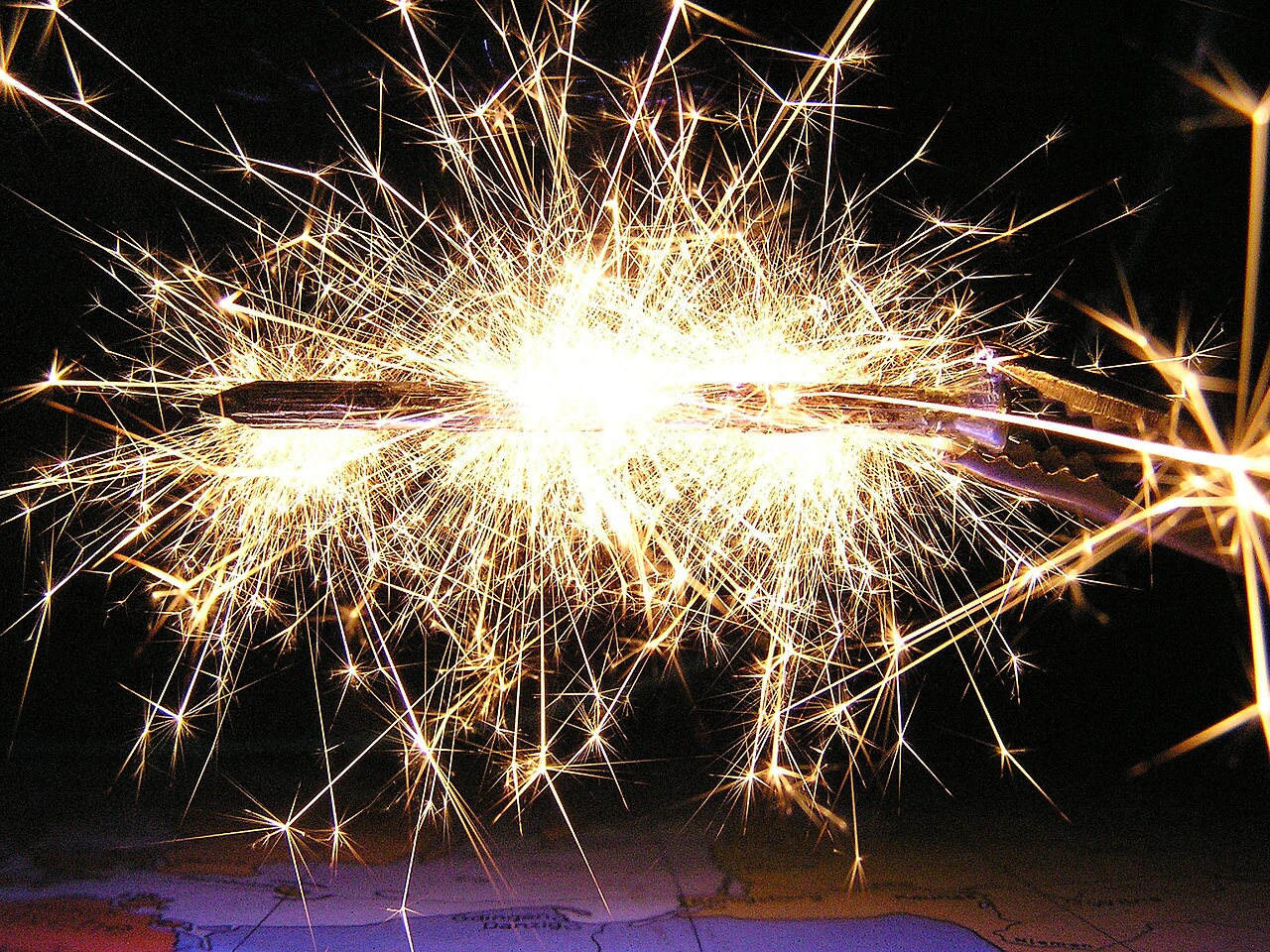

Common causes and types
- Physical damage to conductors (abrasion, cutting, rodent chewing) exposing metal and allowing contact.
- Moisture, dust or conductive contamination creating a low-resistance path between conductors or to ground.
- Insulation failure or aging that permits leakage or direct contact.
- Incorrect wiring, installation errors, or accidental bridging by tools or foreign objects.
- Internal component failure in motors, transformers, capacitors or semiconductor devices creating an internal short.
Types of short circuits include line-to-line (phase-to-phase), line-to-ground (phase-to-earth), and multi-phase faults. Ground faults are a common special case in which current flows to earth rather than through the intended load.
Effects and hazards
Excessive fault current causes rapid heating of conductors, producing melted insulation and destroyed components. Mechanical forces from magnetic fields can deform busbars and connectors. The high energy release can ignite nearby combustible material, leading to building fires, or create an arc flash with intense light and pressure. The available fault current is limited by the circuit's impedance and the system source, so understanding those values is crucial for safe protection design.
Detection and protective devices
Systems rely on overcurrent protective devices to detect and interrupt short-circuit currents before they cause severe damage. Common devices include replaceable fuses and thermal-magnetic circuit breakers. Modern practice adds residual-current devices (RCDs) to detect leakage to earth, arc-fault circuit interrupters (AFCIs) to detect dangerous arcing, and coordinated protective relays in power distribution systems. Proper sizing and coordination ensure that only the device nearest the fault operates, reducing service interruption.
Prevention and safe practices
Preventive measures include correct conductor sizing, using appropriate insulation materials, protecting cables from mechanical damage, maintaining secure and clean connections, and controlling moisture and contaminants. Regular inspection and testing help detect insulation degradation and loose connections. Safe work practices require de-energizing circuits before maintenance, using lockout/tagout procedures, and wearing suitable personal protective equipment when exposed to potential arc energy.
Diagnosis and troubleshooting
When a short is suspected, safely isolating the affected circuit is the first step. Visual inspection, insulation resistance testing, and current measurement can help localize faults. In complex systems, selective energization and systematic checks of sections or components narrow down the fault location. For high-energy faults, specialized fault locators and diagnostic services are often used by trained personnel.
Calculation, standards and coordination
Engineers calculate prospective short-circuit currents to size protective devices and select interrupting ratings. Standards and codes define acceptable methods for protection, grounding, and equipment ratings. Coordination studies ensure fuses and breakers operate in a predictable sequence to isolate faults while minimizing outages.
Terminology and common misuse
The phrase "short" refers to a shortened path that bypasses normal circuit elements. In everyday language the term is sometimes used loosely to describe any electrical problem, but technically it denotes a low-resistance fault. Distinguishing shorts from overloads (excessive but intended current) and open circuits (loss of continuity) is important for correct diagnosis and repair.
Further reading and resources
For introductory material on circuit behavior see basic circuit references. For protection device details consult sources on circuit breakers and fuses. Safety guidance addresses arc flash precautions and fire risk mitigation. Technical information on fault current and modeling is available through resources on high current phenomena, voltage considerations, and system impedance and insulation specifications.
Understanding short circuits and applying proper protection, maintenance, and safe working procedures reduces the risk of damage, injury, and downtime in electrical installations.
Questions and answers
Q: What is a short circuit?
A: A short circuit is a problem in an electrical circuit where two or more wires that are not supposed to come in contact with each other touch.
Q: What are the consequences of a short circuit?
A: A short circuit can result in a very high current flowing through the circuit. The high current can destroy components, melt insulation and start a fire. If there is enough voltage, it can also cause an explosion called arc flash.
Q: How do circuit breakers and fuses work?
A: Circuit breakers and fuses are devices that detect short circuits and (usually) shut the power off before any damage can be done.
Q: How does a "short circuit" happen without wires touching?
A: A "short circuit" also happens when there is a bypass of electrical current. As electricity is "lazy", when there is a bypass without a "load" (e.g. Bulb), it will travel that route of least electrical impedance.
Q: How is the term "short circuit" frequently misused?
A: The term "short circuit" is frequently misused to describe any electrical problem.
Q: Why is it important to have circuit breakers and fuses in place?
A: It is important to have circuit breakers and fuses in place to detect short circuits and shut the power off before any damage can be done.
Q: What can be damaged by a short circuit?
A: Components can be destroyed, insulation can melt, and fires can start as a result of a short circuit.
Related articles
Author
AlegsaOnline.com Short circuit (electrical fault): causes, effects and prevention Leandro Alegsa
URL: https://en.alegsaonline.com/art/89993