
Arboriculture: The Science and Practice of Caring for Trees and Shrubs
Arboriculture is the professional study and practice of planting, pruning, diagnosing and maintaining individual trees and shrubs to promote health, safety and landscape value in urban and rural settings.
Arboriculture is the care and study of individual trees and shrubs. Practitioners—known as arborists or tree surgeons—assess tree health, perform maintenance such as pruning, fertilizing and root care, and make decisions about planting, protection or removal. The discipline concentrates on single woody plants in gardens, streets, parks and estates rather than on whole-forest management.
Image gallery
5 Images


Core practices and techniques
- Planting and selection: choosing species and cultivars suited to local climate, soil and available space to reduce future conflicts and maintenance needs.
- Pruning and crown care: selective removal of branches to improve structure, reduce risk, encourage clearances and promote long-term vitality.
- Soil and root management: mulching, aeration, preventing compaction and managing irrigation to support root function and nutrient uptake.
- Pest and disease management: diagnosing symptoms, using integrated pest management strategies and applying cultural, biological or chemical controls when appropriate.
- Support and protection: cabling, bracing, tree guards and careful construction practices to reduce mechanical damage and failure risk.
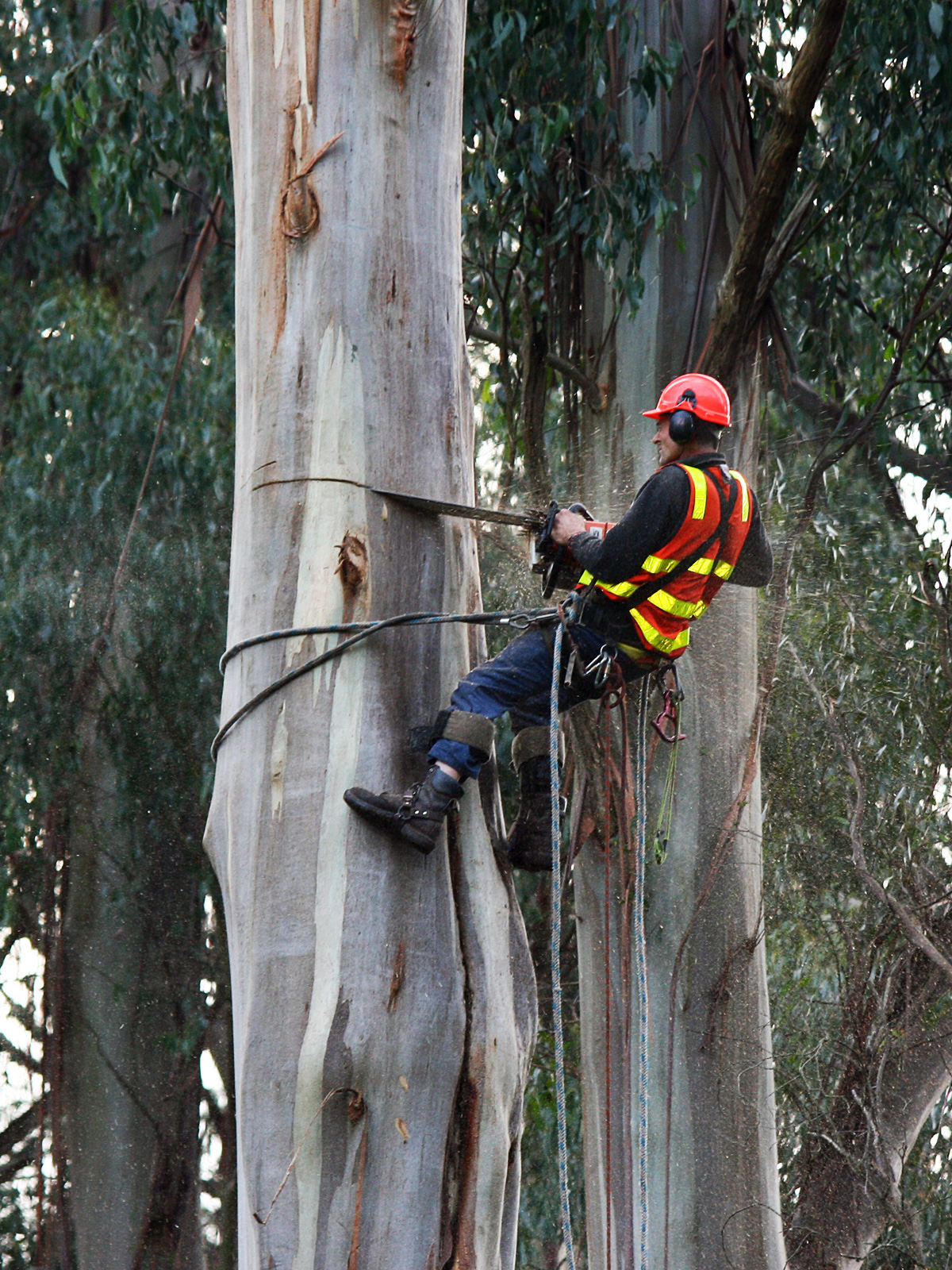
- Safe removal and disposal: dismantling hazardous or structurally unsound trees with techniques that protect people, property and remaining vegetation.
Tools, safety and training
Arboricultural work uses hand tools, powered saws, chippers and aerial access systems such as ropes, harnesses and lifts. Safety is central: practitioners rely on personal protective equipment, fall protection, safe rigging and traffic control when working near roads. Many arborists complete formal training, apprenticeships and industry certification to document skills and follow evolving best practices.
History and development
Human management of trees appears wherever orchards and designed landscapes developed. Modern arboriculture emerged as a distinct field as knowledge of plant physiology, pathology and urban planning advanced, and as growing towns created demand for techniques to maintain trees in confined spaces with utilities, pavements and buildings.
Importance and benefits
Well-managed trees provide shade, reduce stormwater runoff, moderate urban temperatures, improve air quality, support wildlife and enhance property values. Arboriculture balances these benefits with considerations of public safety, infrastructure and long-term maintenance to sustain trees across generations.
Distinctions and practice contexts
Arboriculture differs from forestry, which addresses populations of trees and large-scale ecosystems, and from general horticulture or landscape architecture, which often focus on broader plantings and design. Arboriculture is practical and site-specific: common tasks include correcting hazardous limbs, restoring trees after storm damage and selecting planting sites to avoid utility and pavement conflicts.
Urban challenges and future directions
Urban trees face stresses such as limited rooting volume, soil compaction, pollution, heat and competition with infrastructure. Contemporary arboriculture emphasizes species-site matching, soil improvement, long-term monitoring, non-invasive diagnostic tools and integrated management to improve tree survival and performance in built environments.
Careers and professional standards
Careers range from hands-on climbers and grounds crews to consultants who assess risk, prescribe treatments and advise planners. Professional bodies and certification programs encourage continuing education, ethical practice and public safety standards, helping landowners and municipalities make informed decisions about tree care.
Ongoing research in tree physiology, pest biology and biomechanics continues to refine techniques for diagnosis and treatment. Early detection, appropriate intervention and thoughtful species selection remain central to sustaining the benefits trees provide in both urban and rural landscapes.
Related articles
Author
AlegsaOnline.com Arboriculture: The Science and Practice of Caring for Trees and Shrubs Leandro Alegsa
URL: https://en.alegsaonline.com/art/5234