
Khutbah: The Islamic Sermon — Purpose, Structure, and Practice
Khutbah (khuṭbah) is the formal sermon in Islam delivered on occasions such as Friday prayer, Eid and funerals. This article explains its structure, history, roles, and contemporary practice.
The khutbah (Arabic: khuṭbah) is the principal form of public preaching in the Muslim community. It is typically given before important congregational prayers and on special occasions to instruct, admonish, and unite listeners around religious, ethical, and social guidance. In short, the khutbah combines scriptural exposition, practical advice, and communal supplication.
Image gallery
7 Images


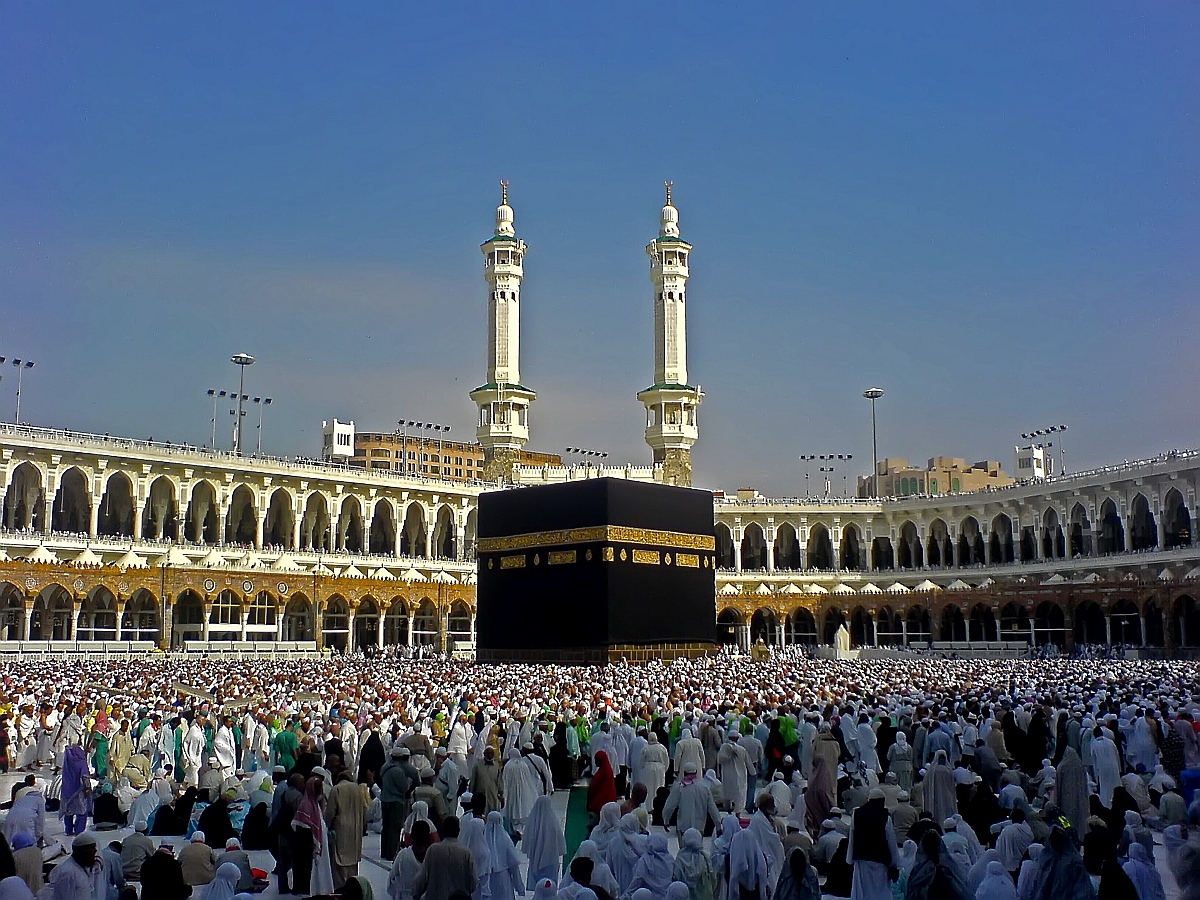

Function and occasions
Most commonly associated with the Friday (Jumu'ah) service, a khutbah also appears at Eid prayers, some funeral rites, and other communal gatherings. The person who delivers it—called the khatib—addresses the congregation while standing and is expected to maintain dignity and decorum. Listeners are normally required to remain silent and attentive during the sermon, since it serves as a central part of the ritual and public communication.
Typical structure and elements
A khutbah generally opens with praise of God and salutations upon the Prophet, followed by one or more Quranic verses and prophetic sayings. It often includes:
- exhortation to piety and ethical conduct;
- explanation of religious obligations or current issues;
- practical guidance for the community;
- a closing supplication or dua.
The Friday sermon is commonly delivered in two parts separated by a brief pause; many legal schools treat it as essential to the validity of the congregational prayer that follows.
Historically, the practice traces to the Prophet Muhammad, who used public addresses to teach and adjudicate. Over centuries the khutbah evolved into an established institution across the Islamic world. Differences among communities reflect linguistic, legal, and cultural diversity: length, language, and emphases vary between regions and between Sunni and Shia traditions.
In contemporary life khutbahs remain influential for religious education and civic engagement. They are sometimes broadcast or posted online, translated for non-Arabic audiences, and used to address social concerns. As a form of public preaching, the khutbah balances scripture, authority, and community relevance in Muslim communal life.
Related articles
Author
AlegsaOnline.com Khutbah: The Islamic Sermon — Purpose, Structure, and Practice Leandro Alegsa
URL: https://en.alegsaonline.com/art/53278