
Kara Sea
The Kara Sea is a marginal sea of the Arctic Ocean north of Siberia, bordered by Novaya Zemlya and Severnaya Zemlya. It is shallow, seasonally ice-covered, important for Arctic ecology, navigation and resource issues.
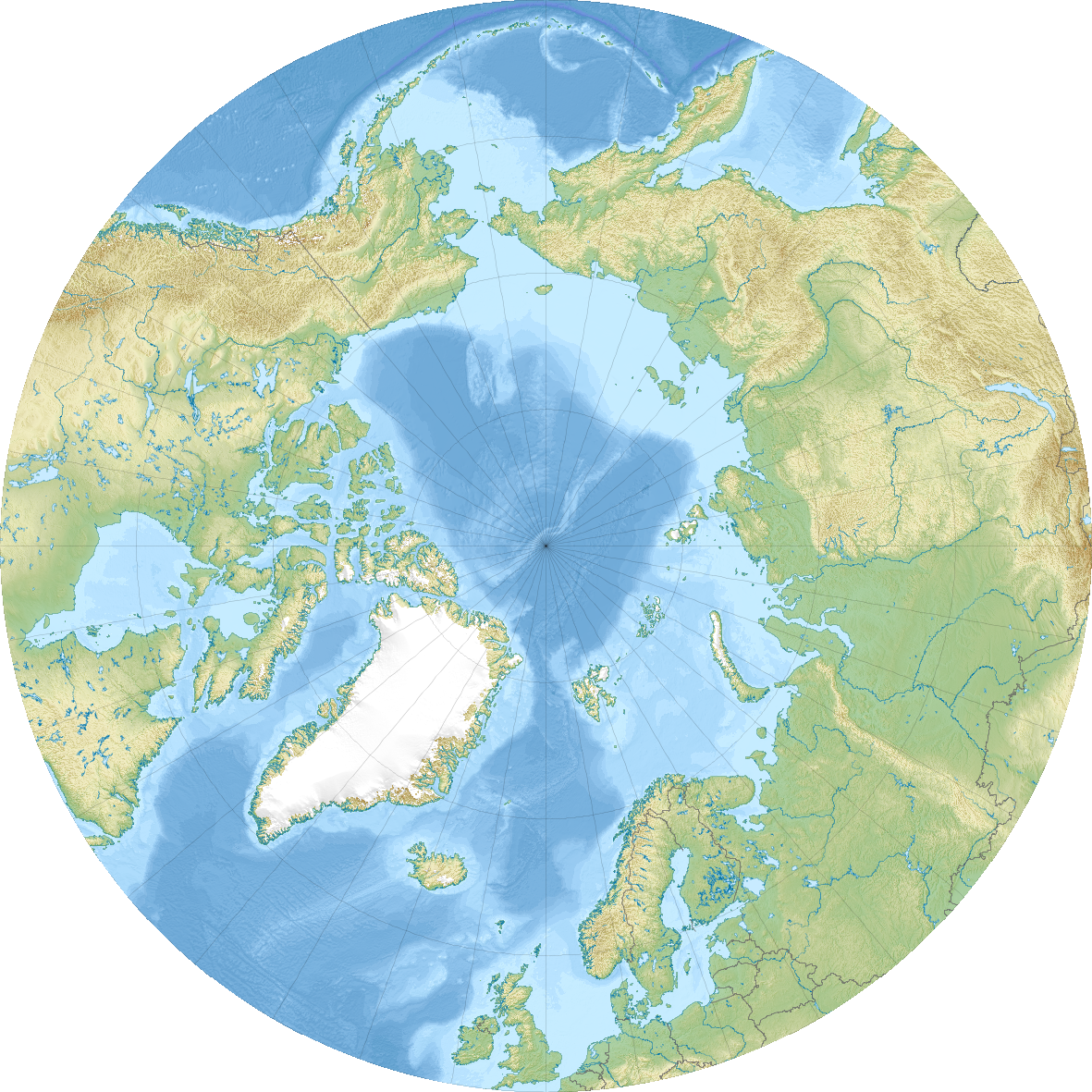
The Kara Sea is a marginal sea of the Arctic Ocean located off the northern coast of Siberia. In Russian it is known as Ка́рское мо́ре. It forms part of the Arctic shelf system and lies between the archipelagos and straits that separate it from neighboring seas.
Image gallery
10 Images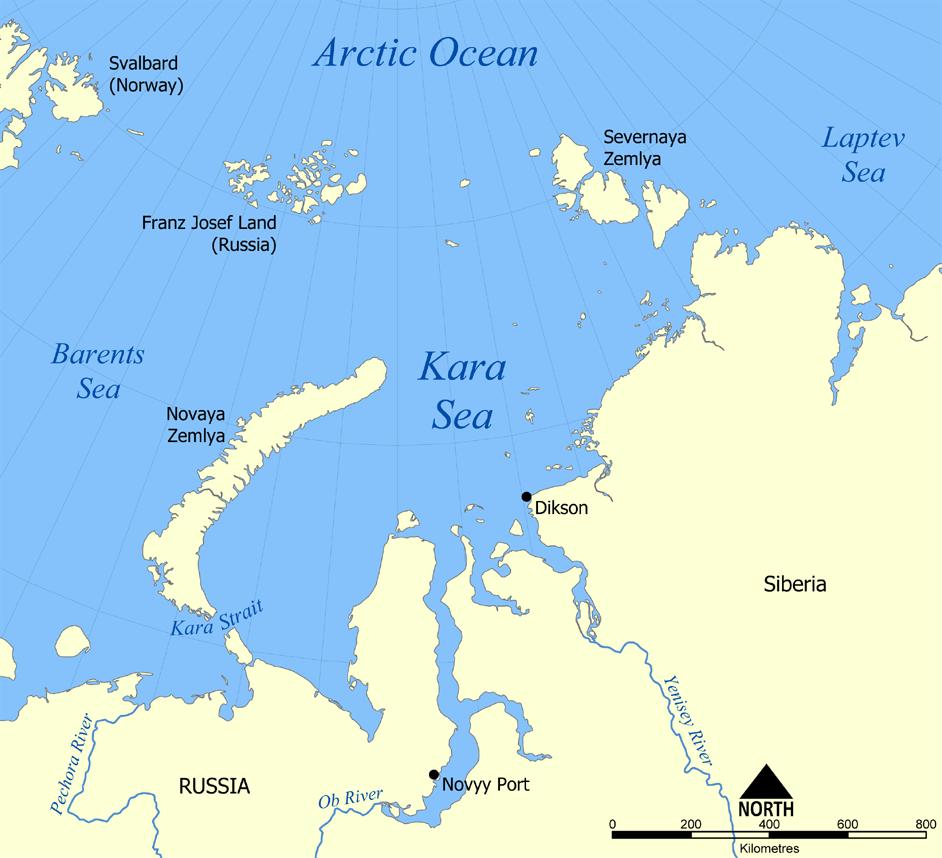




Geography and climate
Boundaries of the Kara Sea include the Kara Strait and the island chain of Novaya Zemlya to the west, and the group of islands known as Severnaya Zemlya to the east, beyond which lies the Laptev Sea. To the southwest it opens toward the Barents Sea. Much of the sea is relatively shallow, part of the broad Siberian continental shelf. Winters are long and cold, with extensive sea ice that historically restricted navigation; summer brings partial melting but persistent ice floes in many areas.
Natural environment
The Kara Sea receives freshwater and sediment from several large Siberian rivers, which influence salinity and productivity along its coasts. Its waters support typical Arctic marine life — plankton blooms in summer, seafloor communities, fish species adapted to cold water, and coastal populations of seabirds, seals, walruses and occasionally polar bears. Biological productivity is limited by light and ice cover, producing distinct seasonal pulses.
Human history and use
Indigenous peoples and Russian coastal communities have used the Kara Sea shoreline for hunting and fisheries for centuries. From the 19th century onward it became a focus for exploration and mapping by Russian expeditions. In the 20th and 21st centuries the sea has been part of the Northern Sea Route, with seasonal shipping increasing as ice conditions change. Geological surveys have identified hydrocarbon and mineral potential on the shelf and in adjacent onshore basins, spurring exploration interest.
Economic activity is limited by harsh weather and ice, so development must balance technical difficulty and environmental risk. Research stations and scientific cruises study climate processes, oceanography and ecosystems in this remote region.
Environmental concerns and notable facts
- Cold-climate ecosystems are sensitive to warming and increased human presence, with concerns about habitat change and pollution.
- Legacy contamination from past industrial and military activities, including Cold War-era disposal of waste, has raised monitoring and remediation issues.
- The Kara Sea plays a strategic role in Arctic navigation and resource planning, and is often cited in discussions of Northern Sea Route development and Arctic conservation.
Because of its position and conditions, the Kara Sea remains an area of active scientific interest and careful policy debate, balancing navigation, resource exploration and protection of fragile Arctic environments.
Related articles
Author
AlegsaOnline.com Kara Sea Leandro Alegsa
URL: https://en.alegsaonline.com/art/52249