
Kandahar Province
Kandahar Province is a large, historically important region in southern Afghanistan centered on the city of Kandahar; it is an agricultural, cultural and strategic hub with a majority Pashtun population.
Overview
Kandahar Province lies in southern Afghanistan and is one of the country's largest provinces by area. Its capital and principal city is Kandahar. The province is a center of Pashtun culture and political life; the Pashto and Persian names for the province are recorded in local scripts in many sources, often shown as Pashto and Persian renderings. Kandahar forms a key part of the modern state of Afghanistan and sits between neighboring provinces such as Helmand, Zabul and Kandahar city (the provincial capital).
Image gallery
10 Images


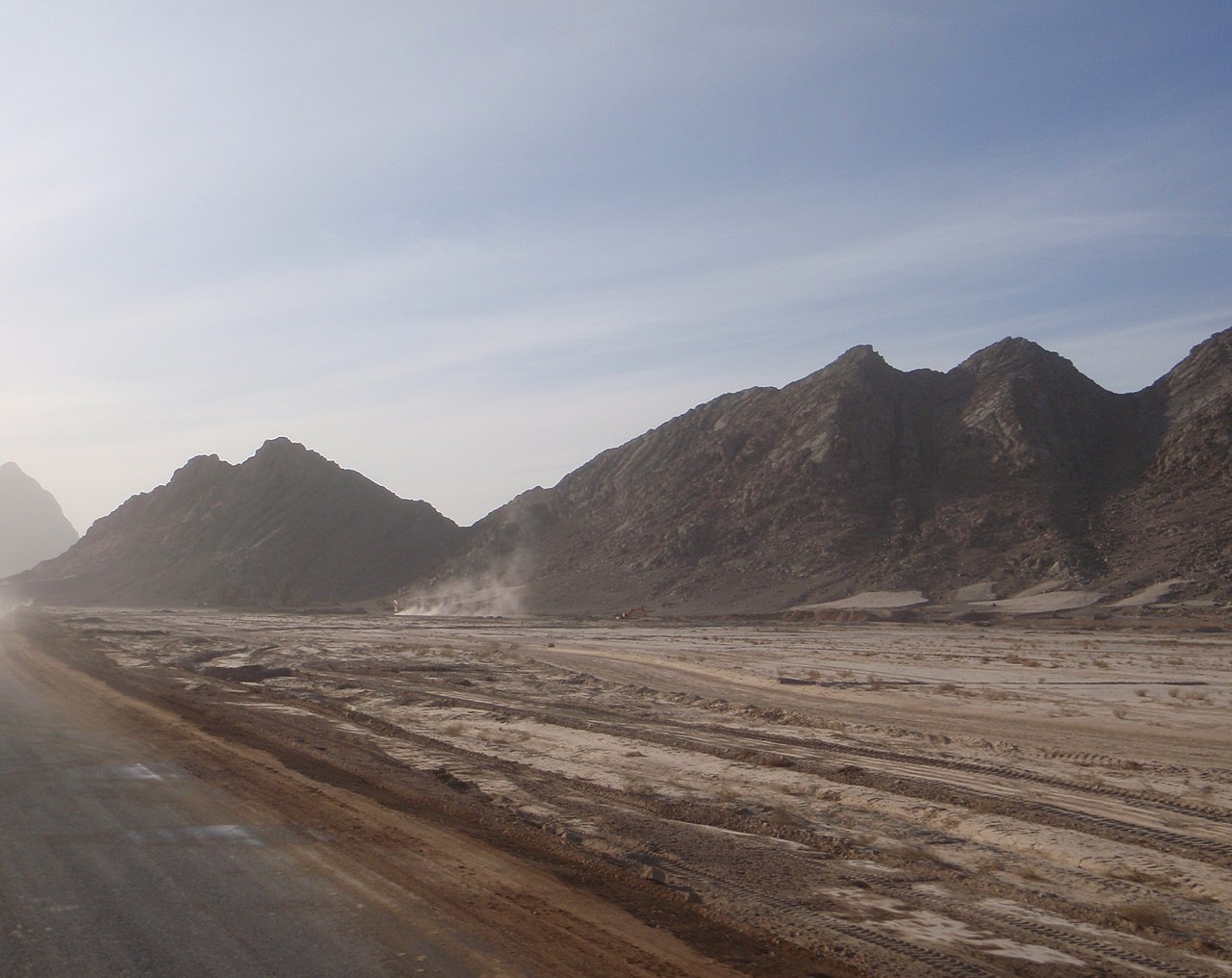
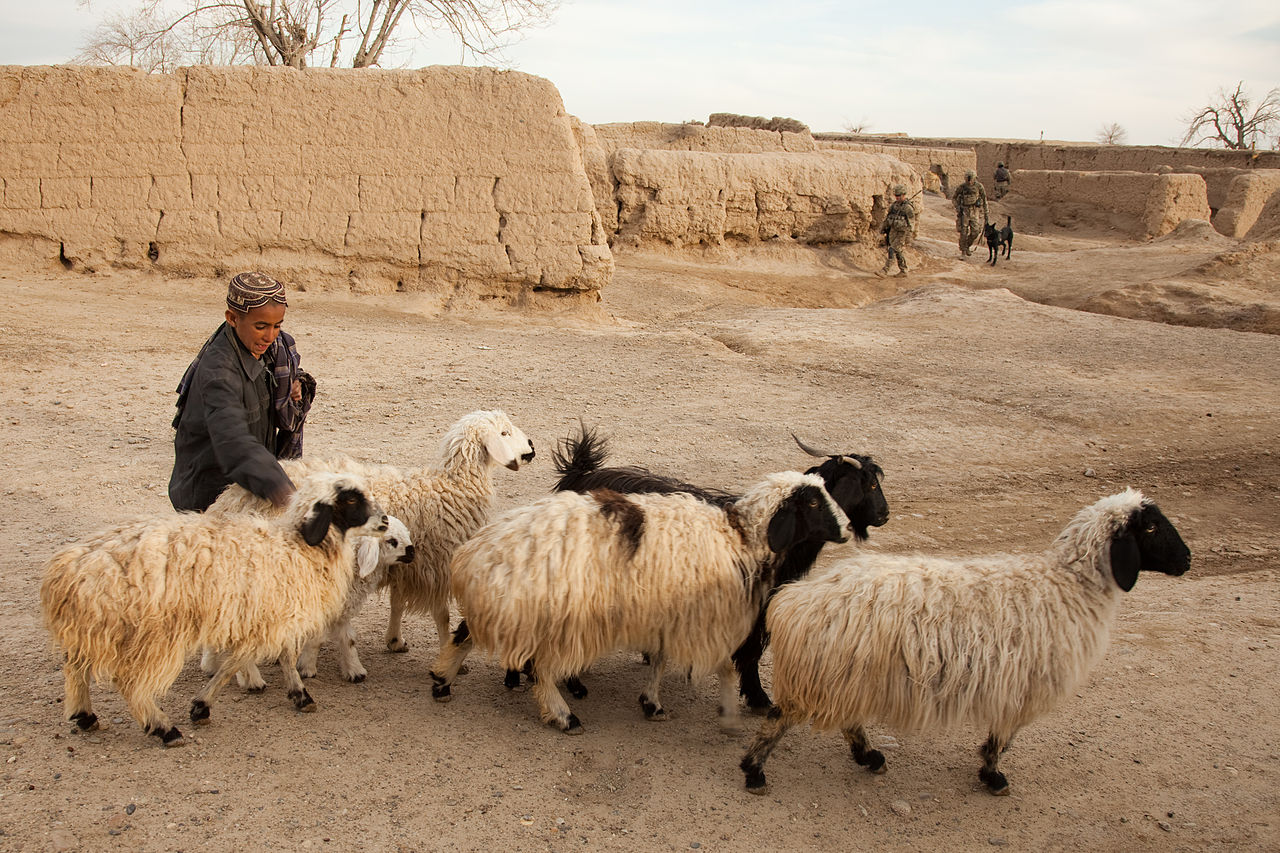


Geography and climate
The province occupies an arid to semi‑arid zone with broad plains and some irrigated river valleys. Irrigation fed by local rivers and qanats supports orchards and grain fields amid otherwise dry terrain. Summers are hot and dry, while winters are generally mild with limited rainfall. Much of the population and economic activity clusters around the capital and irrigated tracts.
History and cultural significance
Kandahar has long been a crossroads of trade and power in southern Afghanistan. Historically it served as a regional capital for various Afghan polities and played a central role in the emergence of the modern Afghan state in the 18th and 19th centuries. The city of Kandahar and the surrounding province are often cited as cultural heartlands for Pashtun language, customs and traditional social organization.
Population and society
The province's population is dominated by Pashtun communities, with other ethnic groups present in smaller numbers. Population estimates for the province vary; many sources give figures on the order of several hundred thousand to around one million inhabitants. Tribal ties, local councils and urban institutions all shape social life, while traditional codes such as Pashtunwali influence community norms.
Economy and land use
Agriculture is the mainstay of Kandahar's economy. Key products include cereals and a variety of fruits grown in irrigated areas; the region is noted in wider reporting for fruit cultivation and orchard produce. Local commerce and transport links connect Kandahar city with surrounding districts and with trade routes that extend beyond provincial boundaries.
Administration, security and contemporary role
Kandahar is administered through provincial government offices and a number of district-level administrations. Over recent decades the province has been prominent in national politics and security dynamics; it has attracted significant domestic and international attention because of its strategic location and the role of its urban center in wider Afghan affairs. Analysts and travelers commonly refer to Kandahar when discussing southern Afghanistan's geography and history.
Notable facts
- The provincial capital, Kandahar, is the main commercial and administrative hub.
- Pashto is the dominant language and Pashtun cultural practices are influential across the province.
- Irrigated river valleys sustain most of the province's agriculture and settlements.
For further background material and maps, consult regional overviews and government sources that treat provincial boundaries, demographics and economic data in greater detail.
Questions and answers
Q: What is Kandahar?
A: Kandahar or Qandahar is one of the largest provinces of Afghanistan located in southern Afghanistan.
Q: What is the capital of Kandahar?
A: The capital of Kandahar is the city of Kandahar.
Q: How many people live in the province?
A: There are about 913,000 people who live in the province.
Q: What provinces border Kandahar?
A: Helmand, Oruzgan and Zabul provinces border Kandahar.
Q: In what language is "Kandahar" written?
A: "Kandhar" is written in Pashto as "کندھار or قندهار", and in Persian as "قندهار".
Q: How large is Kandahar compared to other Afghan provinces?
A: Kandhar is one of the largest provinces among all 34 Afghan provinces.
Q: What type of terrain does it have?
A: The terrain of Kandhar consists mostly of flat plains with some mountains and hills scattered throughout.
Related articles
Author
AlegsaOnline.com Kandahar Province Leandro Alegsa
URL: https://en.alegsaonline.com/art/52078
Sources
- mrrd.gov.af : Kandahar PDP Provincial profile
- fao.org : Afghanistan Geographic & Thematic Layers