
Kankai River (Mai Khola) — river of eastern Nepal
The Kankai River (also Mai Khola) flows north–south through Ilam and Jhapa in eastern Nepal. Sacred in Hindu practice, it supports local agriculture, ecosystems and seasonal pilgrimage along its banks.
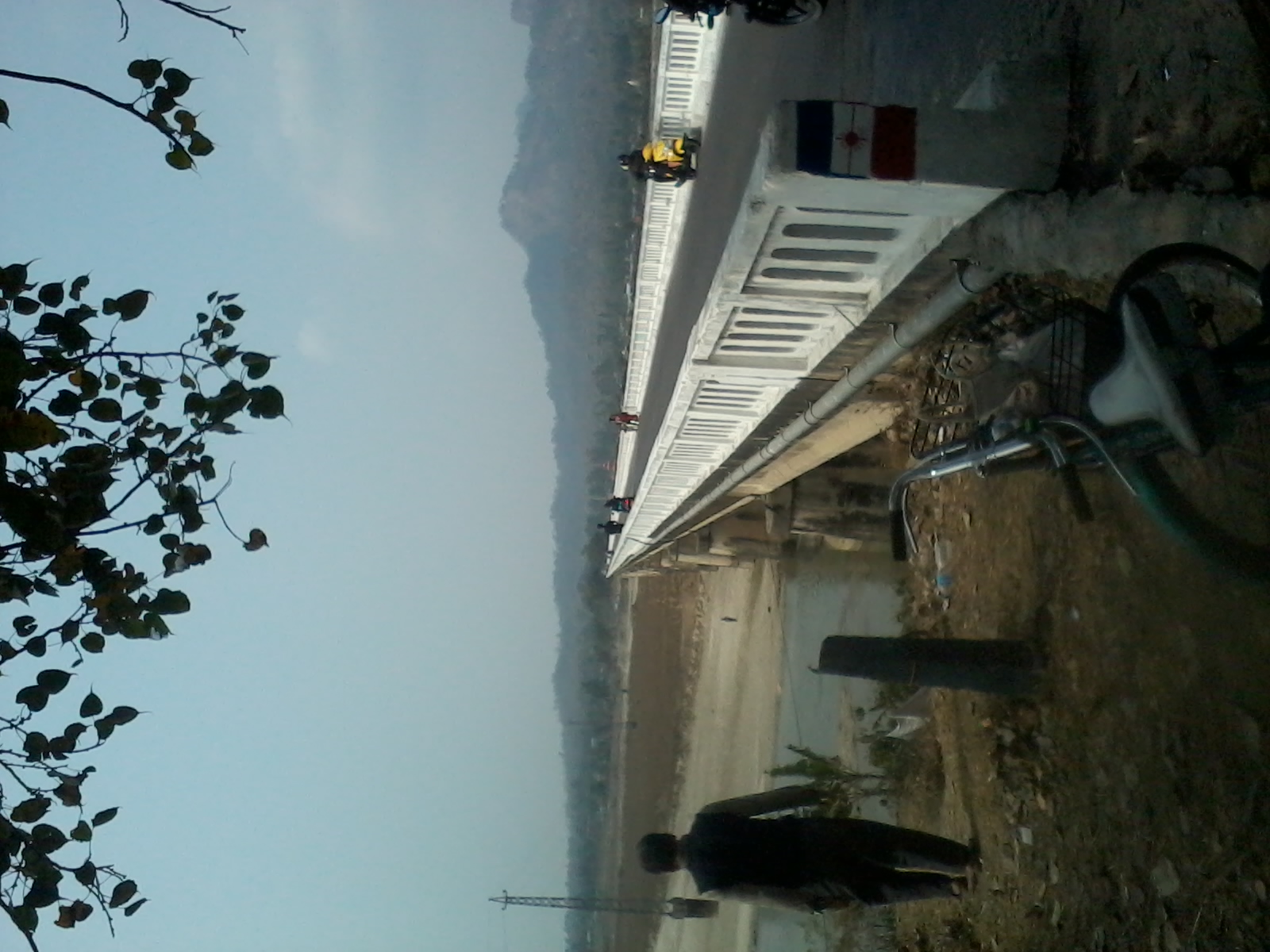
Overview — The Kankai River, also called Mai Khola in local usage, is a prominent watercourse running roughly from north to south in the eastern part of Nepal. It flows through the hill and lowland districts of Ilam and Jhapa. The river is known both for its practical role in irrigation and local livelihoods and for its religious importance to Hindu communities who perform rites along its banks. For the Nepali script and local naming conventions see Nepali name and spelling.
Image gallery
4 Images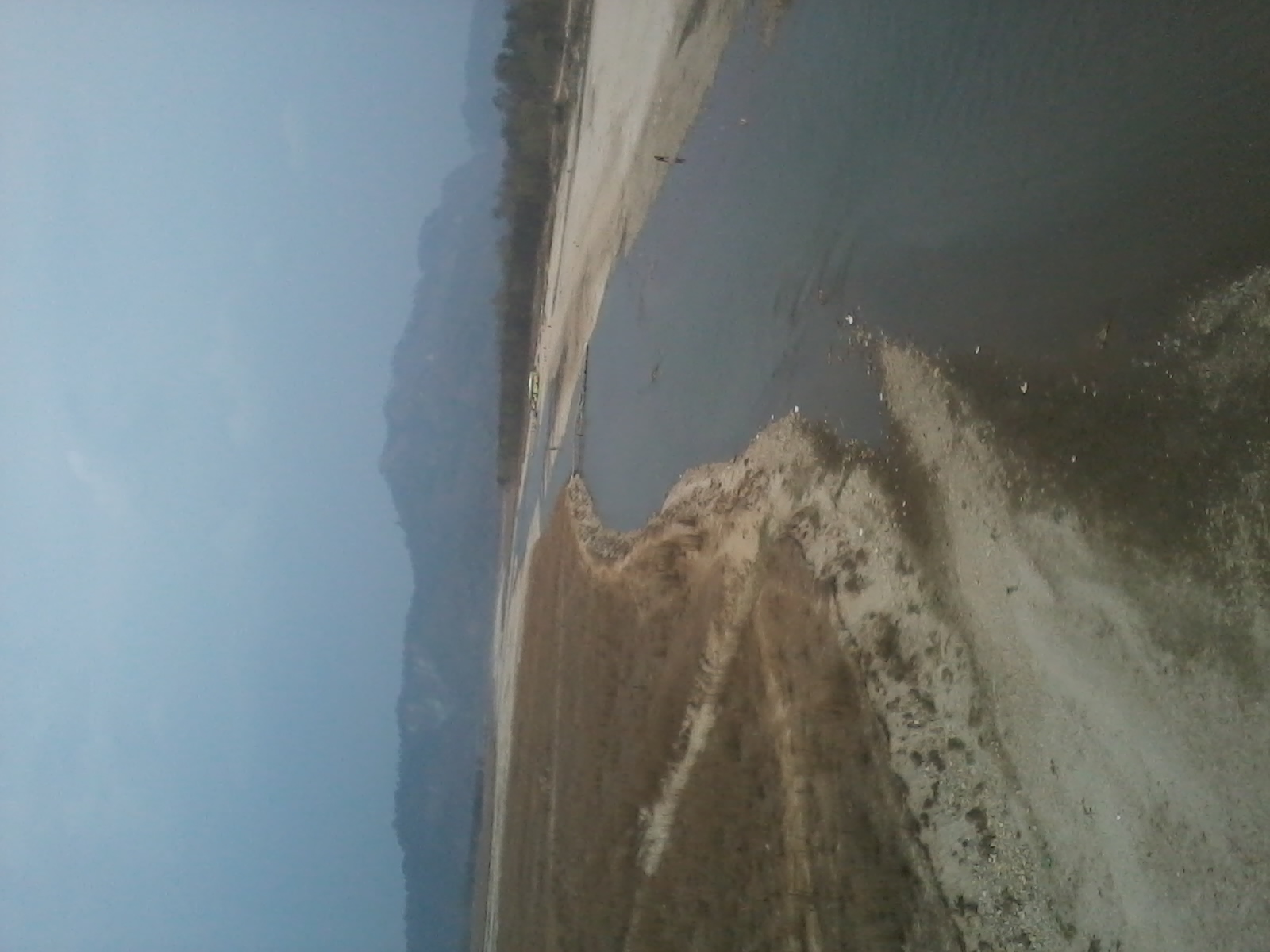


Course and physical characteristics
The river begins in the higher terrain of eastern Nepal and descends into the Terai plains as it approaches the southern border. Its channel and seasonal flows reflect monsoon-driven variability typical of rivers in this region. The Nepali word khola means a small river or stream, which explains the alternate name Mai Khola. Maps, regional hydrology summaries and district profiles may be consulted for more detailed topography and watershed information at regional maps and hydrological resources.
Etymology and cultural importance
The name Kankai is often linked to the Sanskrit word kanaka, meaning "gold", a poetic association that emphasizes the river's perceived value. The river and its banks are regarded as sacred by many Hindus; people undertake ritual baths and ceremonies there during festivals and life-cycle rites. Local pilgrimage and worship activities are documented in cultural overviews and tourist guides: see cultural guides and pilgrimage information for context.
Uses, ecology, and community value
Communities along the Kankai rely on its water for multiple purposes. Key uses include:
- Agricultural irrigation supporting crops in the lower plains and adjacent farmland.
- Domestic uses in nearby towns and villages, including shallow well recharge.
- Local freshwater habitats that sustain regional fish and riparian plants.
Management of flows and water quality is locally important; readers can find policy summaries and water-management discussions at resource management pages.
History, development and notable facts
Historically the Kankai basin has supported settlement and agriculture in Ilam and Jhapa districts. Over time, human activities such as irrigation, small-scale infrastructure, and seasonal land use have shaped the river corridor. It is a feature of regional identity and appears in local place names and festivals. For historical background and development plans consult regional history and development studies. For research or visitor information, refer to further reading and tourism notes.
Distinctions: The Kankai is often referred to by two common names, reflects typical monsoon-driven variability, and combines practical importance for farming with continuing spiritual significance to nearby communities.
Related articles
Author
AlegsaOnline.com Kankai River (Mai Khola) — river of eastern Nepal Leandro Alegsa
URL: https://en.alegsaonline.com/art/52119
Sources
- thehimalayantimes.com : a national newspaper report