
Kannada cinema (Sandalwood): history, characteristics and contemporary trends
Kannada cinema, often called Sandalwood, is the film industry producing motion pictures in Kannada and other languages in Karnataka, India. Overview, history, styles, notable figures and current developments.
Overview
Kannada cinema refers to films produced primarily in the Kannada language and centered in the Indian state of Karnataka. The regional industry is commonly nicknamed "Sandalwood" and forms one part of the broader Indian film industry. While most titles are in Kannada, the industry also releases works in related regional tongues such as Tulu and Konkani to serve diverse local audiences.
Image gallery
10 Images





History and development
The roots of Kannada filmmaking stretch back to the early 20th century, with the first widely cited sound film emerging in the 1930s. Over decades the industry grew from studio-era melodramas to creative movements that embraced realism and experimentation. Post-independence stars and filmmakers helped expand production and audience reach throughout Karnataka and among Kannada-speaking communities elsewhere.
Characteristics and notable contributors
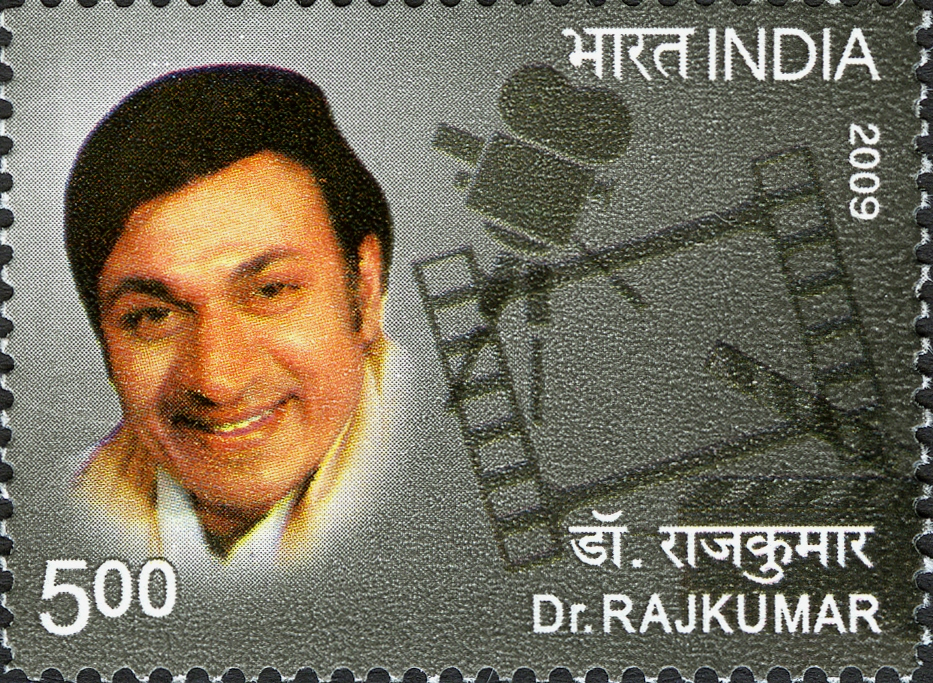
Kannada films combine popular elements—music, drama and dance—with strands of social realism and literary adaptation. The industry has produced acclaimed actors and directors who shaped its identity: actors such as Dr. Rajkumar and producers and auteurs who advanced both mainstream and parallel cinema. Filmmakers associated with artistic innovation include Puttanna Kanagal and Girish Kasaravalli.
Genres, formats and recognition
Films span commercial masala entertainers, family dramas, political satires and art-house works. Music and song sequences remain central to popular titles. The industry is recognized through state awards and national and South Indian film awards; local festivals and state awards highlight artistic and technical achievement.
Industry structure and distribution
Production is concentrated in Bengaluru and other urban centers where studios, post-production houses and distributors operate. The release pipeline now involves theatrical distribution, regional multiplexes and growing digital platforms that reach diasporic audiences. Financing, market competition and shifting viewer habits shape production choices and release strategies.
Contemporary trends and challenges
Recent decades have seen technical upgrading, cross-industry collaborations, and the emergence of both high-budget commercial projects and low-budget independent films. Challenges include balancing local language appeal with pan-Indian visibility, combating piracy and adapting to streaming platforms. Despite these pressures, Kannada cinema continues to be an influential cultural voice for Kannada-speaking communities and a dynamic part of India’s cinematic landscape.
- Languages: primarily Kannada, with Tulu and Konkani productions
- Nicknames: Sandalwood
- Awards: state, national and regional honours
Related articles
Author
AlegsaOnline.com Kannada cinema (Sandalwood): history, characteristics and contemporary trends Leandro Alegsa
URL: https://en.alegsaonline.com/art/52125