
Ka'ba-ye Zartosht (Cube of Zoroaster): stone tower at Naqsh-e Rustam
Ka'ba-ye Zartosht is a stone, cubical monument at Naqsh-e Rustam, Fars, Iran. Its purpose is debated; the structure and nearby inscriptions show Achaemenid and Sassanian-era associations and high archaeological value.
Overview
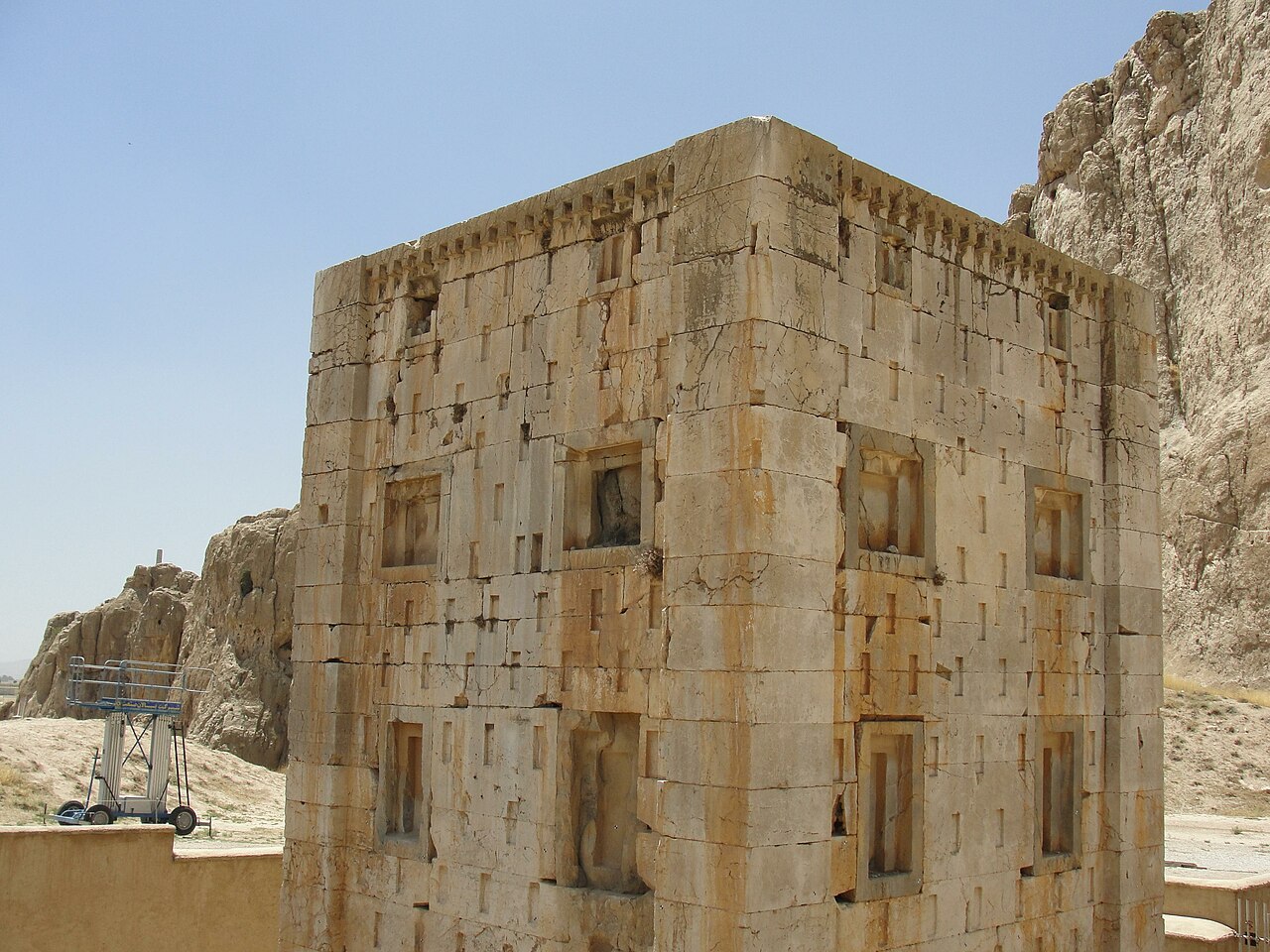
The Ka'ba-ye Zartosht (Persian: کعبه زرتشت), often translated as the "Cube of Zoroaster," is a freestanding, quadrangular stone tower located in the royal necropolis of Naqsh-e Rustam near the village of Zangiabad in Fars province, Iran. Its distinctive cubic shape and raised doorway make it one of the most recognizable ancient monuments in the region. The popular Persian name links it to the prophet Zoroaster, though that association is traditional rather than documentary.
Image gallery
10 Images


Architecture and physical characteristics
The monument is built of worked stone blocks and stands on a stepped base. A single, small interior chamber occupies the core of the tower; the entrance is set above ground level and was originally reached by removable steps or a ladder. Key architectural features include:
- cubical, quadrangular massing with smooth-faced masonry
- an elevated doorway giving access to an inner chamber
- a plain exterior with little surviving ornament, emphasizing form and proportion
History and scholarly views
The date and original function of the Ka'ba-ye Zartosht remain subjects of scholarly debate. Some researchers place its construction in the late first millennium BCE, while others prefer later attributions or phases of reuse. During the Sassanian period and afterward, the site became associated with royal and religious inscriptions carved on nearby rock faces and on or near the structure. These inscriptions and the building's proximity to royal tombs link it to the broader ceremonial landscape of the necropolis.
Uses, interpretations and cultural importance
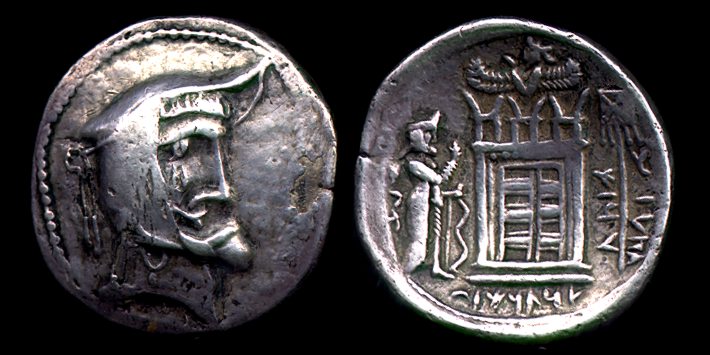
Proposed functions have included a small shrine, a safekeeping repository for sacred texts or regalia, a fire temple or a symbolic funerary monument. No single interpretation commands universal agreement, and available evidence supports multiple phases of use and reuse. Regardless of original purpose, the Ka'ba-ye Zartosht is important for understanding the architectural vocabulary and ritual geography of ancient Iranian royal sites.
Conservation and visitors
As part of the Naqsh-e Rustam complex, the tower is protected and studied as an archaeological and cultural heritage site. Visitors to the area encounter the monument alongside cliff-cut royal tombs and numerous reliefs and inscriptions; it is frequently featured in discussions of ancient Iranian architecture and religion. For further local context see references to the site in materials about Persian heritage and regional histories of Fars and Marvdasht.
Notable distinctions
The Ka'ba-ye Zartosht is notable less for lavish decoration than for the persistence of its geometric form and its integration into a wider monumental program. Its evocative name and unresolved function have made it a focal point for both scholarly study and popular imagination, exemplifying how single monuments can carry layered historical meanings across centuries.
Questions and answers
Q: What is Ka'ba-ye Zartosht?
A: Ka'ba-ye Zartosht is a stone quadrangular and stepped structure in the Naqsh-e Rustam compound in Iran.
Q: Where is Ka'ba-ye Zartosht located?
A: Ka'ba-ye Zartosht is located beside Zangiabad village in Marvdasht county in Fars, Iran.
Q: What is the significance of Ka'ba-ye Zartosht?
A: The significance of Ka'ba-ye Zartosht is that it is a sacred site in the Zoroastrian religion, believed to have been used for religious purposes during the Achaemenid Empire.
Q: When was Ka'ba-ye Zartosht built?
A: The exact date of when Ka'ba-ye Zartosht was built is not known, but it is believed to have been constructed during the Achaemenid period, between 550-330 BC.
Q: What does the name Ka'ba-ye Zartosht mean?
A: The name Ka'ba-ye Zartosht translates to "the cube of Zoroaster" in English.
Q: What is the Naqsh-e Rustam compound?
A: The Naqsh-e Rustam compound is an ancient necropolis located near Persepolis in Iran, containing the tombs of several Achaemenid emperors.
Q: Is Ka'ba-ye Zartosht open to the public?
A: Yes, Ka'ba-ye Zartosht is open to the public for viewing and visiting.
Related articles
Author
AlegsaOnline.com Ka'ba-ye Zartosht (Cube of Zoroaster): stone tower at Naqsh-e Rustam Leandro Alegsa
URL: https://en.alegsaonline.com/art/51840