
Ka (pharaoh) — Sekhem Ka, predynastic ruler of Abydos
Ka, also called Sekhem Ka, was an early predynastic ruler of Upper Egypt centered at Abydos, known from a serekh on numerous artifacts and buried in the royal cemetery at Umm el-Qa'ab.
Overview
Ka, often written Sekhem Ka, is an early Egyptian ruler from the predynastic period who governed in the region of Abydos in what is now Upper Egypt. He is usually placed in the late 4th millennium BCE (commonly described as the late 32nd or early 31st century BC) and is known chiefly from archaeological inscriptions and his burial in the royal cemetery at Umm el-Qa'ab. Scholars classify him among the sequence of proto-historical kings who preceded the pharaonic dynasties that unified Egypt; some literature calls him a predynastic pharaoh.
Image gallery
6 Images



Name and royal insignia
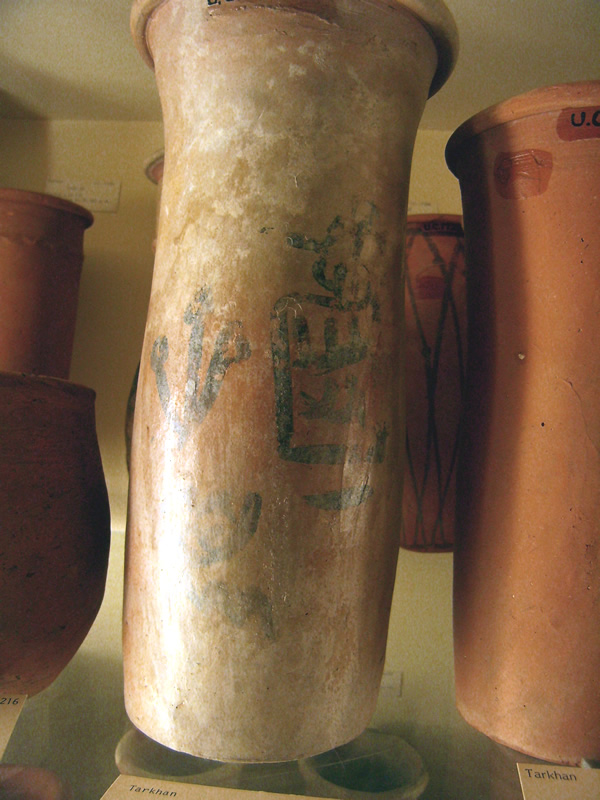
The name Ka corresponds to the ancient Egyptian concept of the vital essence or life force, and his full royal name is normally rendered Sekhem Ka. He is historically important as the earliest attested king to bear a serekh, a formal rectangular emblem used to enclose a royal name. The serekh later became an established element of royal titulary in dynastic Egypt and is a key artifact type for identifying early rulers. For discussion of the symbol itself see the entry on the serekh.
Archaeological evidence
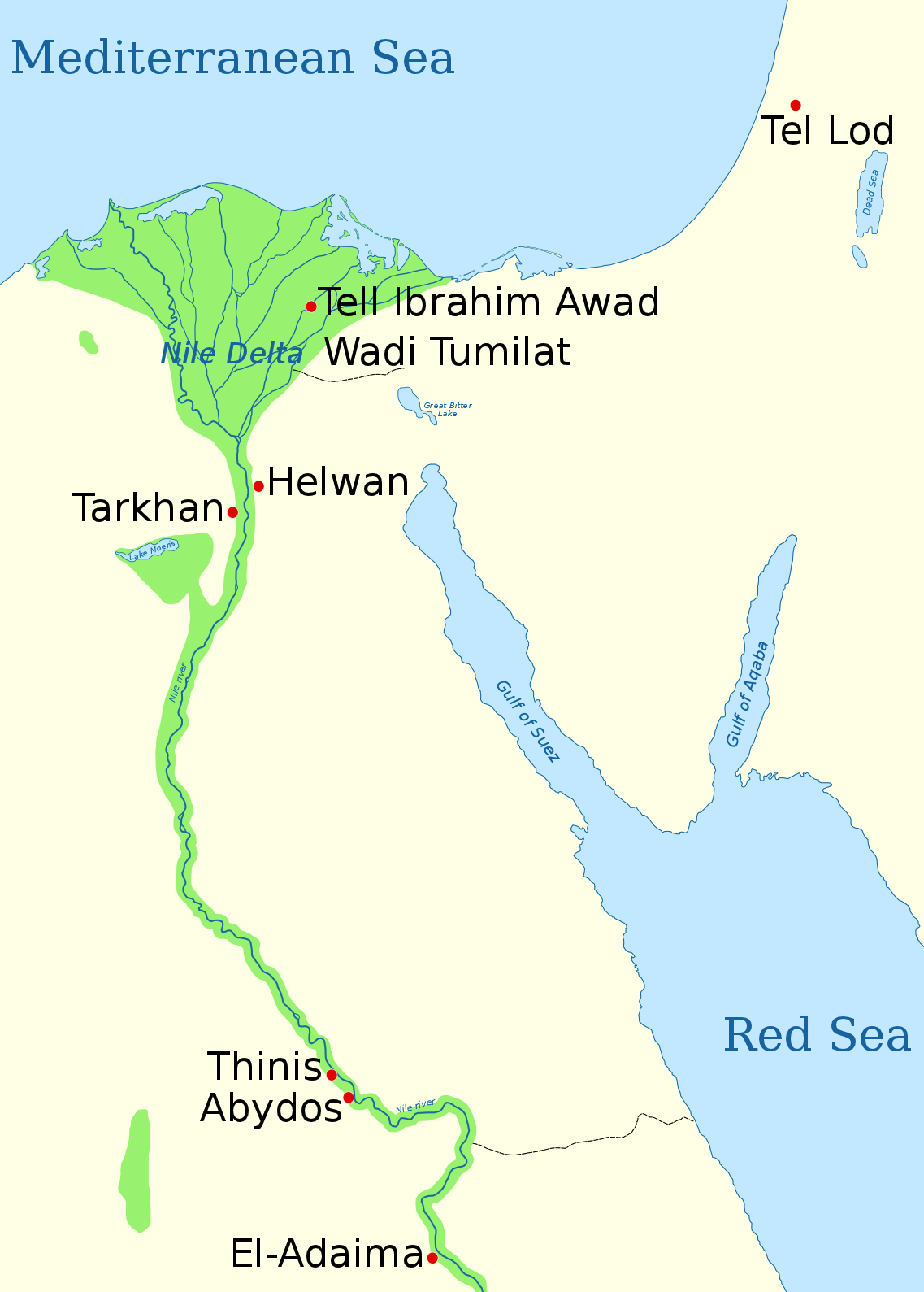
Remains bearing Ka's name appear on a range of objects recovered from Abydos and nearby sites. Typical finds include pottery sherds, label-like tags, and seal impressions that preserve his serekh. These inscriptions are the primary basis for reconstructing his existence and relative standing among early rulers. Archaeological contexts place many of these items in royal or elite assemblages consistent with high-status control of goods and administration.
Chronology and relations to other rulers
Ka is widely regarded as occupying a place in the king-list that follows Iry-Hor and precedes Narmer, the latter usually credited with the final stages of state unification. The exact order and length of reigns in this period remain subjects of scholarly discussion; nevertheless Ka is commonly treated as a direct successor of Iry-Hor and an antecedent to Narmer in reconstructions of early state formation in Upper Egypt.
Tomb and funerary context
Ka's burial place in the royal cemetery at Umm el-Qa'ab associates him with the earliest royal mortuary tradition at Abydos. His tomb and neighboring graves show practices that anticipate later royal burials: clearly demarcated tomb architecture and accompanying grave goods typical of elite predynastic interments. These funerary remains provide direct evidence for emerging royal institutions and ritual behaviors.
Significance and scholarly issues
Ka's principal significance lies in his position as one of the earliest named rulers and as the first known bearer of a serekh, marking an important step in the development of royal ideology and written royal identity. Because the surviving evidence is limited and often fragmentary, many details of his reign—its duration, achievements, and political reach—remain uncertain and are reconstructed cautiously from material remains.
- Types of inscribed objects: pottery, sealings, label-tags
- Primary burial site: Umm el-Qa'ab (Abydos)
- Probable sequence: Iry-Hor → Ka → Narmer
Related articles
Author
AlegsaOnline.com Ka (pharaoh) — Sekhem Ka, predynastic ruler of Abydos Leandro Alegsa
URL: https://en.alegsaonline.com/art/51832