
Kaarlo Juho Ståhlberg — First President of Finland (1865–1952)
Kaarlo Juho Ståhlberg was a Finnish jurist, academic and statesman who served as Finland's first president (1919–1925), helped establish the republic's constitutional order and promoted the rule of law.
Overview
Kaarlo Juho Ståhlberg (28 January 1865 – 22 September 1952) was a leading Finnish jurist, academic and statesman who became the first President of Finland under the 1919 constitution. His presidency (1919–1925) helped to shape the new republic after independence and civil conflict, and he is remembered for emphasizing legal institutions, civil liberties and national reconciliation.
Image gallery
9 Images


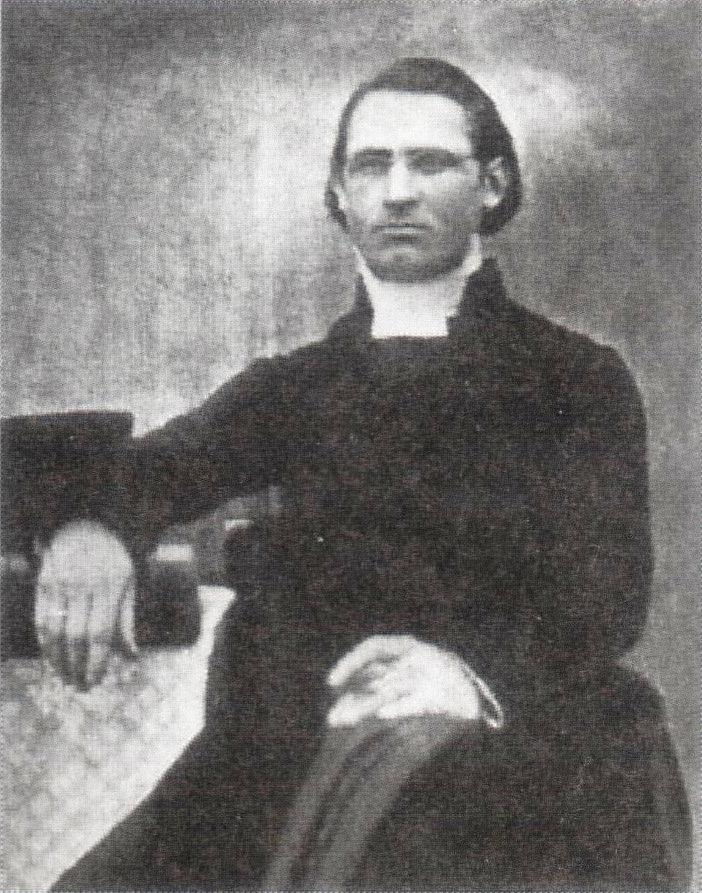
Biography and legal career
Born in Suomussalmi into a rural family, Ståhlberg trained as a lawyer and built a reputation as a constitutional scholar and teacher. Before his election to the presidency he occupied several academic and administrative posts, wrote on administrative and constitutional law, and took part in public debates about the form of Finland's government. He supported a parliamentary republican system and sought to anchor the new state in stable legal frameworks.
Presidency and political approach
Ståhlberg's term as the nation's first president coincided with the immediate post-independence era, when Finland was consolidating institutions and healing divisions left by the 1918 civil war. He favored moderation, impartial administration and the rule of law over partisan confrontation. His manner and policies sought to depoliticize the office and to strengthen constitutional practice so that executive power would be exercised within legal limits and democratic norms.
Key themes and accomplishments
- Advocated for a republican constitution and parliamentary government.
- Promoted reconciliation after the civil conflict and defended civil liberties.
- Strengthened administrative institutions and emphasized impartial governance.
- Widely respected across the political spectrum for legal expertise and integrity.
Personal life and later years
Ståhlberg's private life attracted public interest: he married Hedvig Wåhlberg and, after her death, married Ester Elfving. His demeanor and conduct earned admiration from later leaders; for example President Juho Kusti Paasikivi once praised Ståhlberg's steadiness and integrity. After leaving office Ståhlberg continued to write and participate in public affairs until his death in Helsinki in 1952.
Legacy and historical significance
Ståhlberg is often cited as a foundational figure in Finland's transition to a stable parliamentary republic. Historians and political figures have noted his role in establishing legal norms and civic institutions that outlasted his presidency. That reputation is reflected in contemporary references and assessments; for instance, statesman Juho Kusti Paasikivi expressed high regard for Ståhlberg's judgment. His life and work are studied by scholars of constitutional law and modern Finnish history, and he remains a central figure in accounts of Finland's early independence era.
Quick facts
- Born: 28 January 1865, Suomussalmi.
- President: 1919–1925; first holder of the office under the 1919 constitution (first president).
- Marriages: Hedvig Wåhlberg (first wife), Ester Elfving (second wife).
- Died: 22 September 1952, Helsinki.
Related articles
Author
AlegsaOnline.com Kaarlo Juho Ståhlberg — First President of Finland (1865–1952) Leandro Alegsa
URL: https://en.alegsaonline.com/art/51837