
Kahlil Gibran: Lebanese-American Poet, Writer, and Artist
Lebanese-born poet, writer and visual artist who wrote in English and Arabic. Best known for The Prophet (1923), he influenced both Arab and Western literary and spiritual thought.
Overview
Kahlil Gibran (6 January 1883 – 10 April 1931) was a writer and poet from Lebanon. He produced work in both English and Arabic, combining literary expression with visual art. His most widely read book, The Prophet, brought him lasting international recognition and remains influential in spiritual and literary circles.
Image gallery
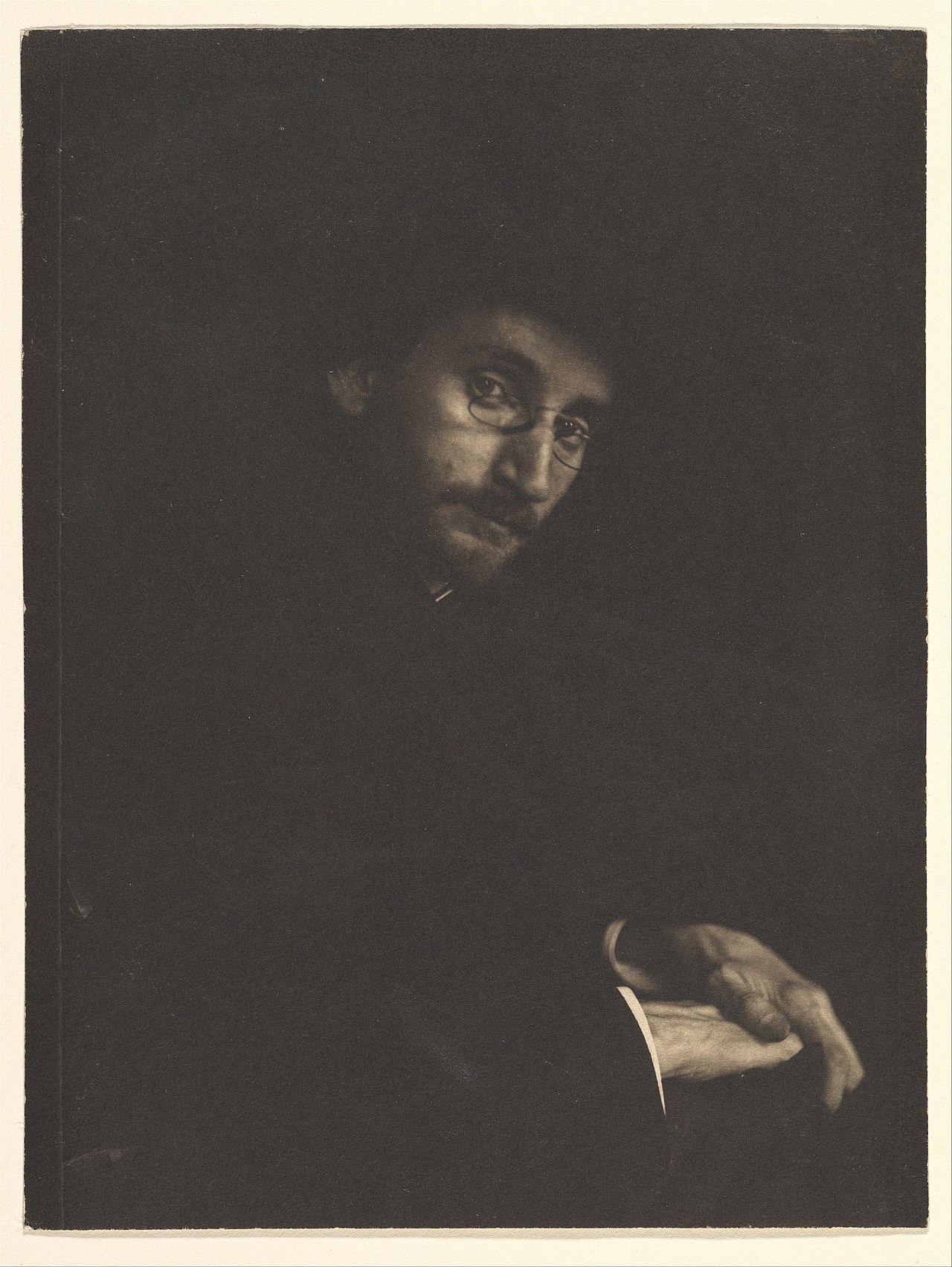
10 Images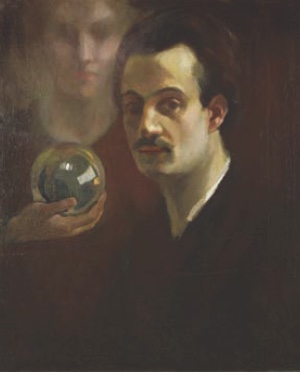


Life and development
Born in the Mount Lebanon region, Gibran emigrated with his family to the United States as a child and later spent time in Lebanon and Europe. He trained as an artist as well as a writer, and his career reflected a blend of Eastern and Western influences. Gibran was part of the Mahjar movement, a community of Arabic-speaking émigré writers who sought to renew Arabic literature while engaging with modern ideas encountered abroad.
Themes and style
Gibran's writing is noted for its lyrical, aphoristic quality and its focus on universal themes: love, freedom, work, sorrow and spiritual longing. He often used parable-like forms, poetic essays and short prose poems to explore ethical and metaphysical questions. His bilingual output allowed different audiences to encounter similar motifs filtered through distinct linguistic and cultural idioms.
Works and legacy
- The Prophet — a collection of poetic essays that achieved broad popular appeal.
- Earlier and later works in Arabic and English, including novellas, poems and essays.
- Visual art and illustrations that accompanied many of his publications.
Gibran's influence extends beyond literature into religious and popular culture: his writings have been translated into many languages and are often quoted at weddings, funerals and memorials. He is remembered both as a bridge figure between East and West and as an artist whose spare, evocative prose continues to attract readers seeking contemplative and moral reflection.
Selected works and further reading are available in many languages and formats; editions often include his drawings and essays on art and life, reflecting the interwoven nature of his creative practice.
Related articles
Author
AlegsaOnline.com Kahlil Gibran: Lebanese-American Poet, Writer, and Artist Leandro Alegsa
URL: https://en.alegsaonline.com/art/51888
Sources
- www-personal.umich.edu : "Gibran, his Aesthetic, and his Moral Universe"
- wikidata.org : wikidata.org/wiki/Q47737
- authority.bibsys.no : 90211842
- catalogo.bne.es : XX1154018
- catalogue.bnf.fr : cb11904838q
- data.bnf.fr : (data)
- cantic.bnc.cat : a10092298
- d-nb.info : 118680935
- isni.org : 0000 0000 0106 6256
- id.loc.gov : n79095627
- musicbrainz.org : d8d798d4-995d-43e9-b504-71bc3223495d
- id.ndl.go.jp : 00440851
- aleph.nkp.cz : jn19981001339
- nla.gov.au : 35122483
- uli.nli.org.il : 000053022