
Aram Khachaturian: Armenian-Soviet Composer and Orchestral Innovator
Overview of Aram Khachaturian (1903–1978): life, musical style, major works (including Gayane and the Sabre Dance), historical context in the Soviet Union, and lasting influence.
Overview
Aram Ilyich Khachaturian (1903–1978) was a prominent Soviet-era composer of Armenian descent, known for colorful orchestration, rhythmic vigor, and integration of Caucasian folk elements into classical forms. He was born in Tiflis (now Tbilisi) and later worked mainly in Moscow, becoming one of the best-known Soviet composers outside Russia. His Armenian name and background are often cited when discussing his source material: Armenian spelling and forms and the compositional identity tied to his ethnicity are frequently noted in studies.
Image gallery
10 Images
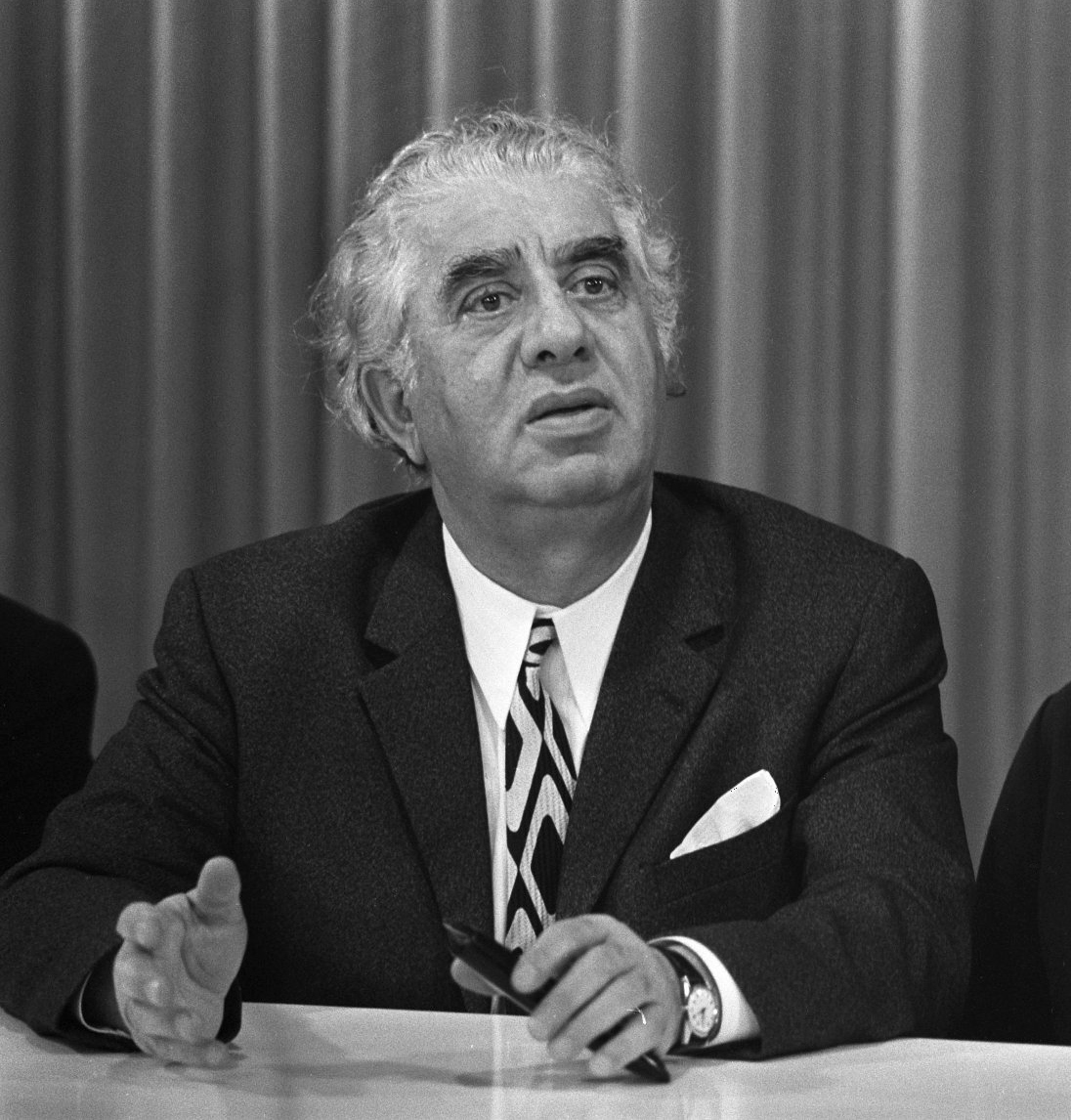


Life and career
Khachaturian trained originally as a cellist and continued musical study at the Moscow Conservatory after arriving there in 1929. His early instrumental education and practical experience in orchestras shaped his handling of timbre and sonority. Biographical details sometimes reference calendar differences for birth dates (Old Style/Julian dating), and his later years were spent in Moscow, where he also participated in cultural institutions: Moscow remained central to his career.
Musical language and influences
Khachaturian drew heavily on the music of his homeland and neighboring cultures, blending modal melodies, asymmetric meters, and folk rhythms with Western symphonic and ballet traditions. His ethnic roots are a recurrent theme in descriptions of his work: Armenian melodic idioms, a professional identity as a composer, and his formative instrumental training (he studied the cello) all contributed to a distinctive voice appreciated for its directness and vivid orchestral color.
Major works
Khachaturian produced symphonies, concertos, chamber works and music for the stage. Among his best-known pieces are two ballets and several concertos:
- Gayane — a ballet containing the famous "Sabre Dance", an exuberant showpiece that achieved wide popular use and many arrangements: Gayane.
- Spartacus — another ballet celebrated for its dramatic themes and melodic writing.
- Concertos and symphonies — he wrote concertos for violin and piano and composed several symphonies that explore large-scale orchestral textures: symphonies.
Historical context and reception
Working in the Soviet cultural system shaped both opportunities and constraints. Khachaturian enjoyed official recognition, yet like many contemporaries he also faced criticism during political campaigns that targeted perceived "formalism" in the arts. Over time, his reputation broadened internationally; recordings, film uses and arrangements helped the "Sabre Dance" and other pieces enter popular culture worldwide.
Legacy
Khachaturian is remembered for vibrant orchestral color, memorable rhythms and for bringing elements of Armenian and Caucasian folk music into concert repertoire. His works remain programmed by orchestras and ballet companies, taught in conservatories, and continue to influence composers and arrangers who seek to combine regional musical traits with large-scale Western forms. For general reference and further reading see introductions and catalogues that survey his output and historical role: ethnic context, composer studies, and institutional pages linked from major conservatories and archives: instrumental studies, name entries, chronologies, Moscow resources, symphony lists, ballet listings.
Related articles
Author
AlegsaOnline.com Aram Khachaturian: Armenian-Soviet Composer and Orchestral Innovator Leandro Alegsa
URL: https://en.alegsaonline.com/art/5173
Sources
- khachaturian.am : "European Virtual Museum of Aram Khachaturian"