
Jurassic Park III
Jurassic Park III (2001) is the third theatrical film in the Jurassic Park franchise. Directed by Joe Johnston, it returns Dr. Alan Grant to Isla Sorna for a survival-focused rescue that features a new dominant predator.
Overview
Jurassic Park III is a 2001 American science-fiction adventure film and the third theatrical entry in the Jurassic Park franchise. Directed by Joe Johnston and released by Universal Pictures, the picture returns paleontologist Dr. Alan Grant to the islands known as Site B or Isla Sorna. The story emphasizes close-quarters survival and action after a small group becomes stranded on the island.
Image gallery
10 Images




Premise and plot summary
The central premise involves a couple who persuade Dr. Grant to guide them to Isla Sorna under the pretense of a tour; in truth they seek their missing son. After their light aircraft crashes, the survivors must navigate dangerous terrain while pursued by large predators. The film compresses its narrative into a trek across the island punctuated by ambushes and confrontations with multiple dinosaur species, and it highlights the immediate peril of being isolated in a landscape populated by prehistoric animals.
Principal cast and characters
- Sam Neill returns as Dr. Alan Grant, the franchise's recurring paleontologist figure.
- William H. Macy and Téa Leoni play the married couple whose search for their son drives the plot.
- Several younger actors fill supporting roles as stranded visitors and island inhabitants, and a small ensemble portrays the survivors who must cooperate to escape.
Dinosaurs and effects
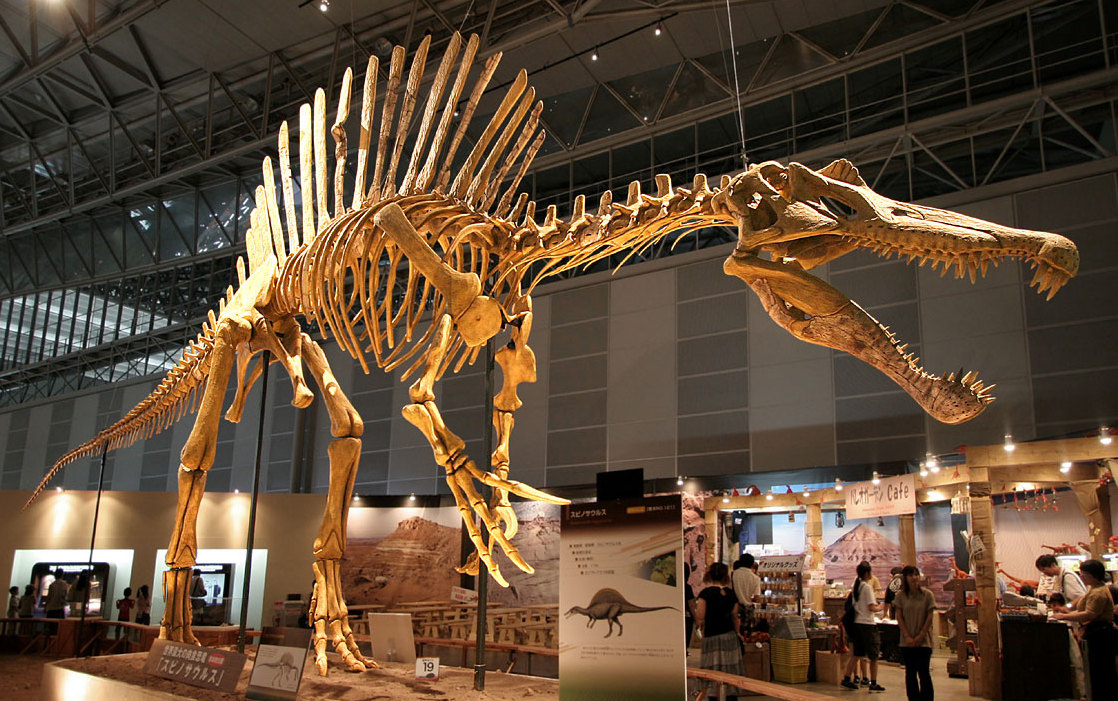
The film is notable for introducing a large theropod that becomes the central antagonistic force, presented as a significant challenge to other predators. Practical animatronics were combined with digital visual effects to depict close encounters and large-scale sequences. The cast confronts a variety of prehistoric creatures during their journey; the production blends physical models and computer-generated imagery to create interactions between actors and animals. Viewers familiar with the series will encounter both familiar species and creatures emphasized in new ways, including a prominent depiction of the Spinosaurus and additional various dinosaurs across the island.
Production and style
Compared with earlier franchise films that explored ethical and scientific themes, this installment adopts a more compact, action-driven approach focused on survival and set-piece sequences. Location shooting, set construction, animatronic work, and effects supervision were all used to maintain a tactile feel in many scenes. Production notes and behind-the-scenes material discuss choices about creature design, staging of practical stunts, and the balance between animatronics and digital augmentation for dangerous encounters; further production details are available in dedicated sources and interviews (production details).
Reception and legacy
Upon release, critics and audiences offered mixed responses: action, pacing, and creature effects were frequently praised, while some reviewers found character motivations and plot economy less developed than in earlier entries. Over time the film has remained a subject of discussion among fans for its bold creature choices and for keeping the franchise active during the early 2000s. It occupies a transitional place in the series and is often referenced in overviews of franchise evolution and creature design.
Place in the series
This installment follows The Lost World: Jurassic Park and precedes later revival films in the franchise. It helped sustain public interest in dinosaur cinema between major franchise milestones and influenced how later films approached spectacle and creature portrayal. For readers tracing continuity and thematic shifts, consult general franchise histories and official materials; the film is one link in a chain that leads toward subsequent entries such as Jurassic World.
Further reading
For contextual information about the series, its genre placement, and production history consult overview pages on the franchise and annotated guides to film effects. General articles discuss the film’s place within the broader genre (genre context), archive material often provides detailed production notes, and franchise summaries outline continuities across titles (franchise overview). Additional resources list creature descriptions and comparisons (dinosaur summaries) and note the significance of specific species portrayals such as the Spinosaurus. A brief guide to the later films connects this entry to the modern era of the series (Jurassic World).
Related articles
Author
AlegsaOnline.com Jurassic Park III Leandro Alegsa
URL: https://en.alegsaonline.com/art/51714