
Jura (Island) — Scottish Inner Hebrides island
Jura is a sparsely populated, mountainous island in the Inner Hebrides of Scotland, known for its rugged scenery, blanket bogs, the Paps of Jura and literary association with George Orwell.
Jura is an island in the Inner Hebrides of Scotland, lying close to and northeast of Islay. It is part of the council area of Argyll and Bute. The island is notable for its contrast with neighbouring, more fertile islands: much of Jura is mountainous and covered in extensive peat and blanket bog, which has helped keep its resident population low and its landscapes largely wild.
Image gallery
10 Images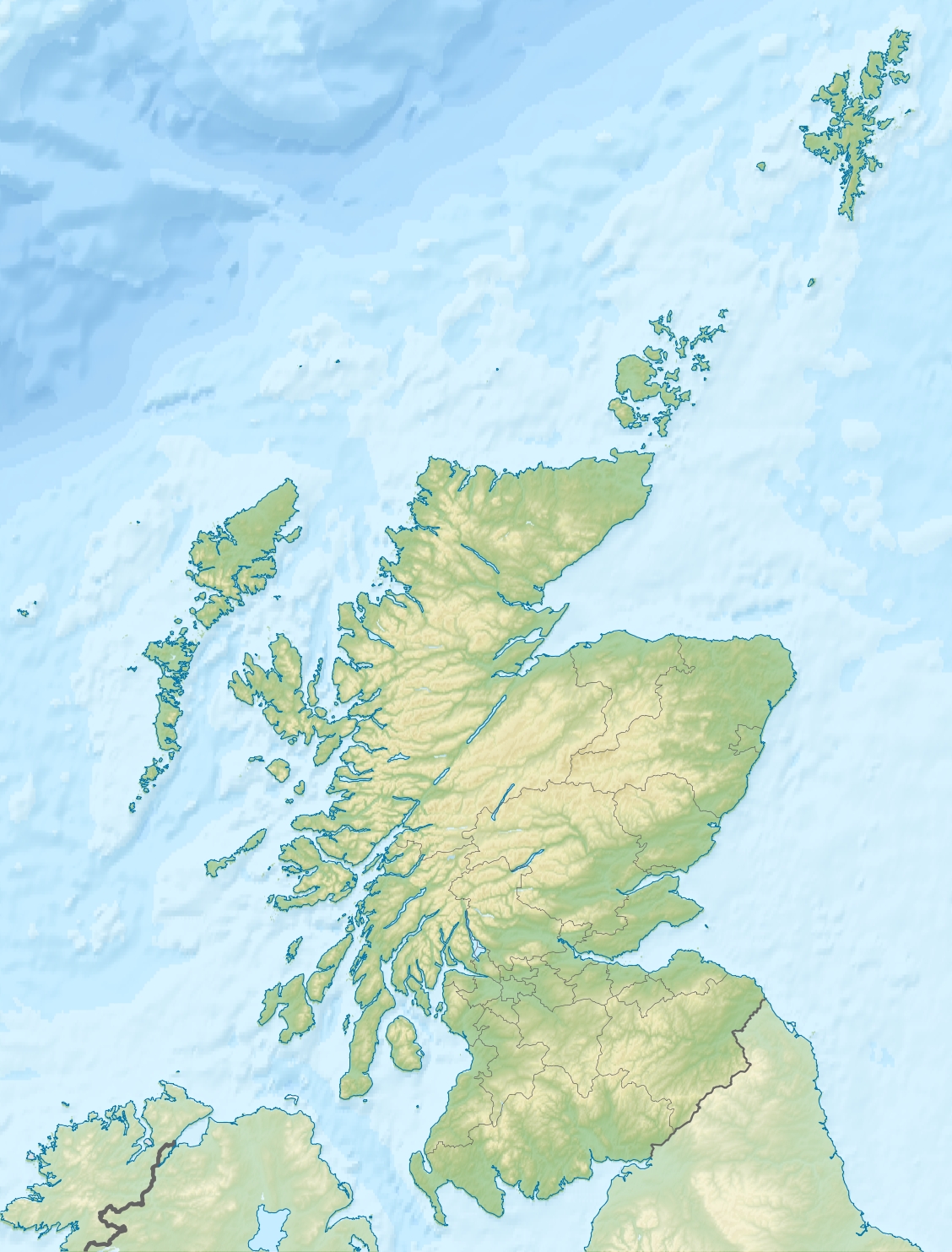


Landscape and natural features
Much of Jura is dominated by a series of steep ridges and rounded peaks known as the Paps of Jura, which form a distinctive skyline. Large tracts of moorland and blanket bog intersperse rocky slopes and coastal cliffs. The island supports typical Atlantic wildlife such as red deer, seabirds, and a variety of heather and peatland plants; marine life is present around its coasts. The combination of peat, heather and rough grazing has historically limited intensive agriculture.
Settlement and human activity
Settlements are few and dispersed, with Craighouse traditionally acting as the island’s main village and harbour. Economic activity has long combined crofting and estate management with modern additions such as tourism and a small whisky distillery. Access to Jura is by short ferry links and private boats; services are limited, reflecting the island’s low population density.
History and culture
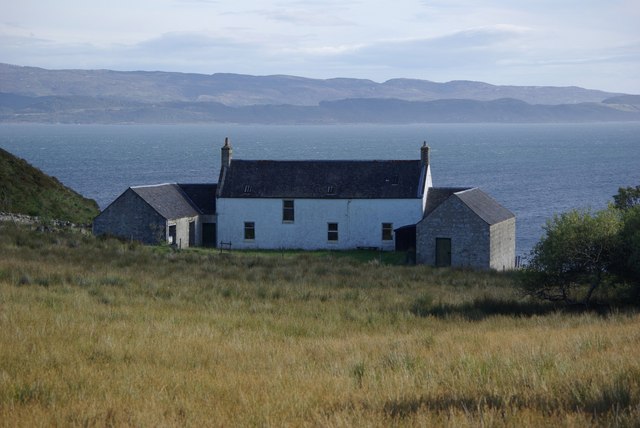
Archaeological evidence and place names show a long history of human presence, with influences from Gaelic and Norse periods shaping land use and local culture. In the 20th century Jura attracted literary attention: the writer George Orwell spent time on the island at Barnhill, where he completed work on his novel Nineteen Eighty-Four.
Uses, recreation and conservation
- Outdoor recreation: hillwalking, wildlife watching and sea-based activities.
- Cultural interest: historic sites, crofting traditions and literary connections.
- Conservation: peatland and coastal habitats are significant for biodiversity and carbon storage.
Jura’s combination of dramatic scenery, sparse settlement and cultural associations make it a distinctive part of Scotland’s island group, valued for remoteness and natural character rather than intensive development.
Related articles
Author
AlegsaOnline.com Jura (Island) — Scottish Inner Hebrides island Leandro Alegsa
URL: https://en.alegsaonline.com/art/51709