
Kabul Province
Kabul Province in eastern Afghanistan contains the national capital and is the country's most populous, densely urbanized province with diverse communities, long history, and central political and economic roles.
Known in Persian as Kābol and in Pashto as Kābəl, Kabul Province is one of the thirty-four provinces of Afghanistan. It encloses the national capital, Kabul City, which functions as the political, economic and cultural hub of the country. The province combines a densely populated urban center with surrounding rural valleys and foothills, and it contains a large share of Afghanistan’s public institutions and service economy.
Image gallery
10 Images


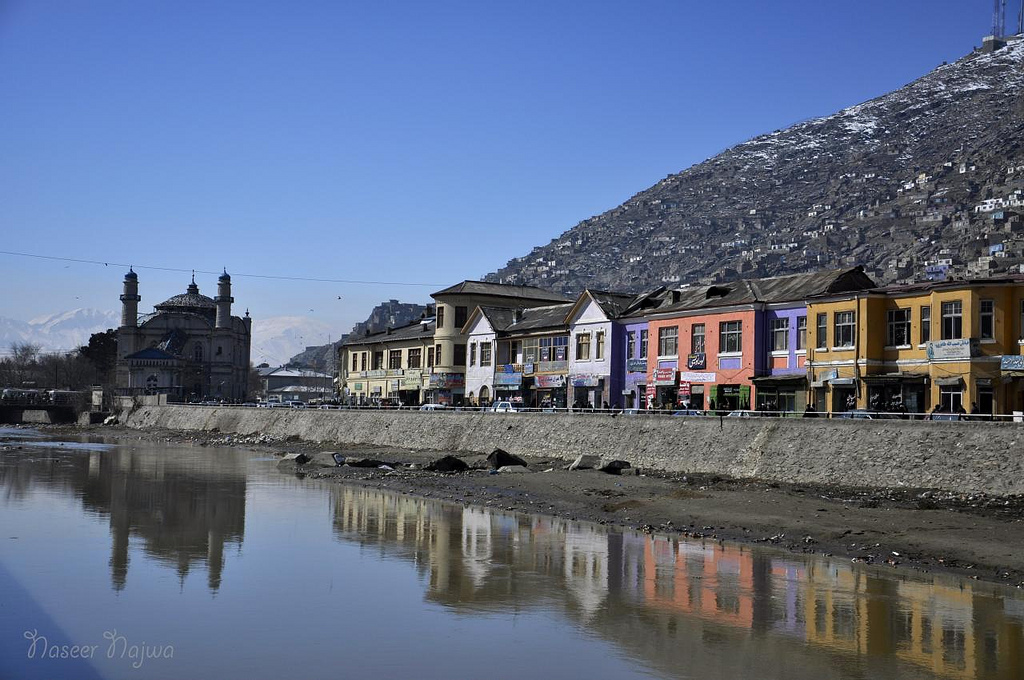


Geography and administration
Kabul Province occupies terrain that ranges from the populated Kabul Valley to higher, more rugged ground at the edges of the Hindu Kush foothills. The climate is continental, with marked seasonal differences. Administratively the province is governed from Kabul City and is subdivided into districts that include both tightly built urban neighborhoods and outlying agricultural and pastoral areas. Provincial and municipal authorities oversee infrastructure, basic services and security arrangements for the metropolitan area and its hinterland.
People and languages
The province is Afghanistan’s most populous and most urbanized. Population figures vary by source and year; estimates in recent decades have placed several million inhabitants in the province and metropolitan area combined. Kabul’s population is ethnically mixed, commonly including Tajiks, Pashtuns, Hazaras, and other groups. Dari (a variety of Persian) and Pashto are widely spoken, alongside numerous other languages and dialects used in daily life and commerce.
History and cultural importance
Kabul has a long history as a regional center on trade routes between South and Central Asia. Over centuries the city and its surrounding district developed as a political and cultural focal point; many of Afghanistan’s modern institutions have been based there. The province hosts important educational institutions, cultural sites and markets; its museums, universities and mosques have been central to national cultural life, though they have also been affected at times by conflict and political change.
Economy, infrastructure and challenges
- Economy: dominated by government services, trade, construction, small industry and informal markets.
- Transport: Kabul contains the national airport and major road links that connect the capital to other provinces.
- Urban services: health care, higher education and administration are concentrated here, attracting internal migrants.
- Challenges: rapid urban growth, housing pressure, infrastructure needs and security concerns strain planning and service delivery.
Because it houses the seat of government and the largest urban population, Kabul Province plays a central role in Afghanistan’s political life, economy and media. Conditions there have changed repeatedly through modern history, and current social, security and economic realities continue to evolve with national developments.
Related articles
Author
AlegsaOnline.com Kabul Province Leandro Alegsa
URL: https://en.alegsaonline.com/art/51849
Sources
- cso.gov.af : "Central Statistics Office, Afghanistan Statistical Yearbook 2009/10"
- fao.org : "FAO in Afghanistan - Food and Agriculture Organization of the United Nations"
- aims.org.af : aims.org.af/
- aims.org.af : aims.org.af/afg/dist_profiles/unhcr_district_profiles/centra/kabul/bagrami.pdf
- aims.org.af : UNHCR Sub-Office Central Region - District Profile - Char Asiab
- aims.org.af : UNHCR Sub-Office Central Region - District Profile - Deh Sabz
- aims.org.af : UNHCR Sub-Office Central Region - District Profile - Farza
- aims.org.af : UNHCR Sub-Office Central Region - District Profile - Guldara
- aims.org.af : UNHCR Sub-Office Central Region - District Profile - Istalif
- mrrd-nabdp.org : mrrd-nabdp.org
- magma.nationalgeographic.com : Ethnic Groups
- aims.org.af : UNHCR Sub-Office Central Region - District Profile - Kalakan
- aims.org.af : UNHCR Sub-Office Central Region - District Profile - Khak-e-Jabbar
- aims.org.af : UNHCR Sub-Office Central Region - District Profile - Mir Bacha Kot
- aims.org.af : UNHCR Sub-Office Central Region - District Profile - Mussahi