
Inner Hebrides: islands off Scotland’s west coast
Overview of the Inner Hebrides: geography, climate, history, communities, economy and wildlife of the island group off Scotland’s west coast.
The Inner Hebrides form a scattered chain of islands lying off the west coast of Scotland. They sit to the south‑east of the Outer Hebrides and together these two island groups are commonly called the Hebrides. The archipelago includes a range of landscapes from low machair and peaty lowlands to steep sea‑cliffs and mountain ridges, and is best appreciated on maps and guides such as regional maps of the Inner Hebrides and general references to Scotland.
Image gallery
10 Images

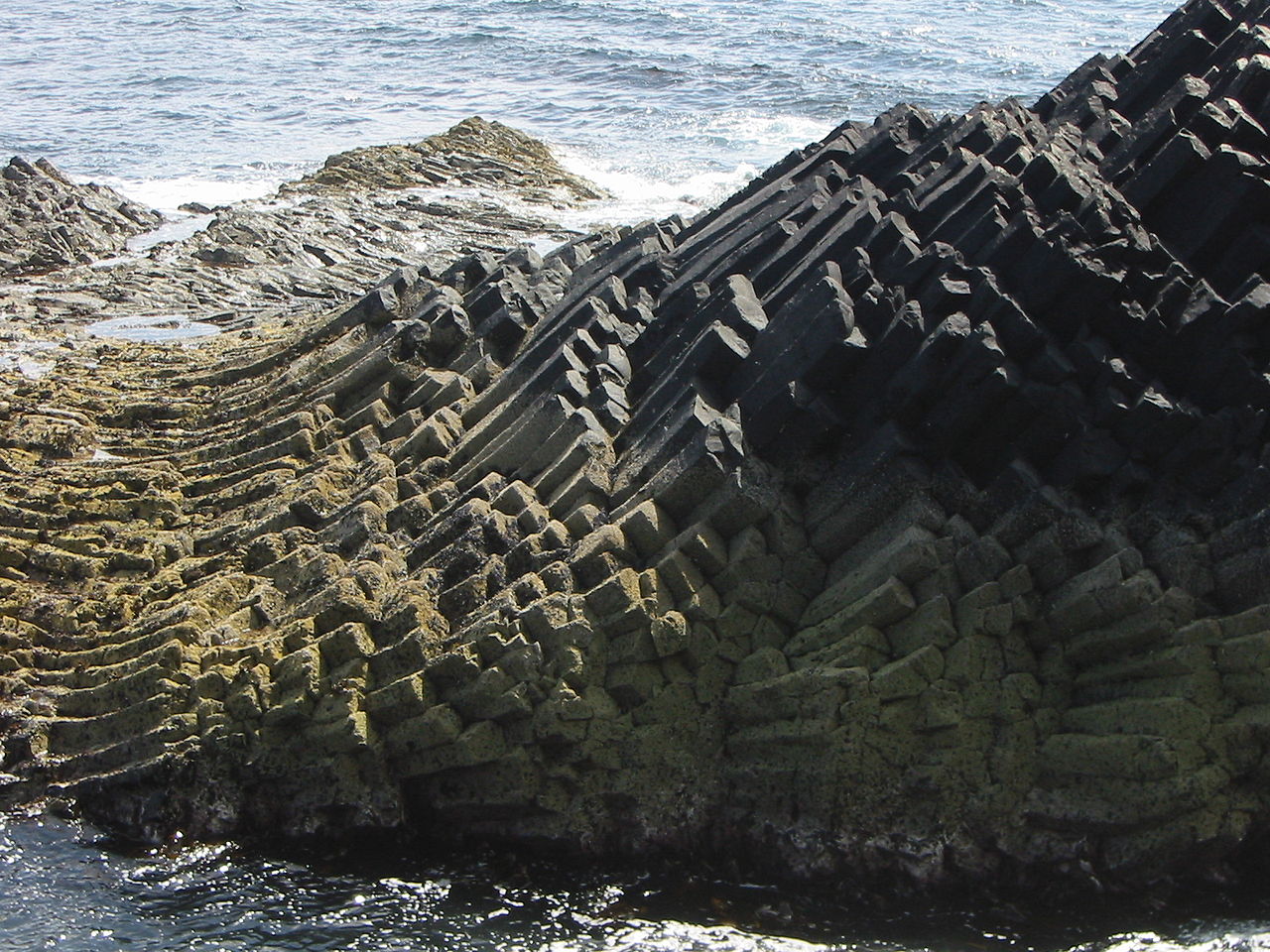


Geography and climate
The Inner Hebrides lie between the Atlantic and the mainland, separated from the Outer Hebrides by channels and sounds. Major islands include Skye, Mull, Islay, Jura, Arran, Raasay and Staffa, among many smaller isles and skerries. Because the North Atlantic Drift (a northern extension of the Gulf Stream) passes nearby, the islands enjoy a relatively mild, oceanic climate with cool summers, mild winters and frequent rain and gales. For context on the broader island group see Outer Hebrides and the collective term Hebrides; meteorological influences are described in sources about the Gulf Stream and regional climate.
People, settlements and economy
The Inner Hebrides comprise several dozen inhabited islands and many uninhabited ones. Rough counts identify around 36 inhabited islands and some 40–50 uninhabited islands of appreciable size; combined land area is often quoted at about 415,800 hectares and the islands had a population in the low tens of thousands in early 21st century censuses. Local economies are mixed: tourism plays a major role, drawing visitors for scenery, wildlife and history, while traditional activities such as crofting, small‑scale agriculture, fishing and aquaculture persist. Whisky production is also important on a number of islands and helps sustain employment and cultural identity; these commercial sectors are often described in publications on tourism, crofting and fishing, and on island distilling whisky distilleries.
History and cultural heritage
The human story in the Inner Hebrides stretches back to prehistoric times: standing stones, burial cairns and other monuments show settlement long before written records. Classical authors and later medieval chroniclers made early references to the northern Atlantic islands; surviving narratives note contacts with Roman and Greek writers and later Norse accounts (classical and medieval sources). In the early historic period Pictish and Gaelic peoples inhabited different parts of the archipelago. From the Viking Age the islands formed part of the Norse realm of Suðreyjar or the Kingdom of Mann and the Isles; Norse influence lasted several centuries until the Treaty of Perth (1266) transferred sovereignty to the Scottish crown and began a new phase of political alignment (Treaty and transfer of sovereignty).
Clans, change and modern challenges
After medieval sovereignty passed to Scotland, island life came to be dominated in many places by clan society. Prominent families such as Clan MacLeod and Clan MacDonald figure in the islands' histories and place‑names and continue to be important in cultural memory (clan histories). The 18th and 19th centuries brought dramatic social change: sheep farming, estate reorganisations and the Highland Clearances altered settlement patterns and reduced populations across many communities. In the 20th and 21st centuries efforts to stabilise populations include promoting tourism, sustaining fragile crofting economies and improving transport connections; reliable ferry and boat links between islands and the Scottish mainland remain crucial to daily life and commerce (sea transport and ferries).
Language, religion and natural heritage
Gaelic remains spoken in parts of the Inner Hebrides and plays a central role in local culture, song and place‑names. Various religious traditions are present; in some areas denominations such as the Wee Free Church have had a continuing local presence and influence (religious communities). The islands are also noteworthy for biodiversity: seabird colonies, marine mammals, and unique plant communities on machair and peatlands make the Inner Hebrides important for conservation and for wildlife tourism. Artists, writers and naturalists have long been inspired by the islands’ light, geology and seascapes, which remain defining features of their identity.
- Overview and maps: regional maps of the Inner Hebrides
- Climate influence: Gulf Stream and local weather
- Economic sectors: tourism, fishing, whisky
- Historic sources and changes: classical authors, Treaty of Perth, clan records
- Transport and community links: ferry services
- Culture and religion: Gaelic and local churches
Questions and answers
Q: What are the Inner Hebrides?
A: The Inner Hebrides is an archipelago off the west coast of Scotland, to the south east of the Outer Hebrides. Together these two island chains form the Hebrides.
Q: What is the climate like in the Hebrides?
A: The Hebrides enjoy a mild oceanic climate because they are located near where the Gulf Stream runs past them.
Q: How many islands make up the Inner Hebrides?
A: There are 36 inhabited islands and a further 43 uninhabited Inner Hebrides with an area greater than 30 hectares (74 acres).
Q: What activities take place on these islands?
A: The main commercial activities on these islands are tourism, crofting, fishing, and whisky distilling.
Q: How large is this area in total?
A: Combined, these islands have an area of approximately 415,800 hectares (1,605 sq mi).
Q: How many people live in this region?
A: In 2001 there was a population of 18,257 people living here.
Q: Who were some of earliest settlers to inhabit this region?
A: In historic times some of earliest settlers were Picts to the north and Gaels in the south.
Related articles
Author
AlegsaOnline.com Inner Hebrides: islands off Scotland’s west coast Leandro Alegsa
URL: https://en.alegsaonline.com/art/47392
Sources
- gro-scotland.gov.uk : Occasional Paper No 10: Statistics for Inhabited Islands