
Jurassic Coast — World Heritage coastline in south-west England
A 96-mile (154 km) World Heritage coastline in south-west England notable for 185 million years of exposed geology, important fossil sites, coastal walks and natural landmarks such as Lulworth Cove and Durdle Door.
Overview
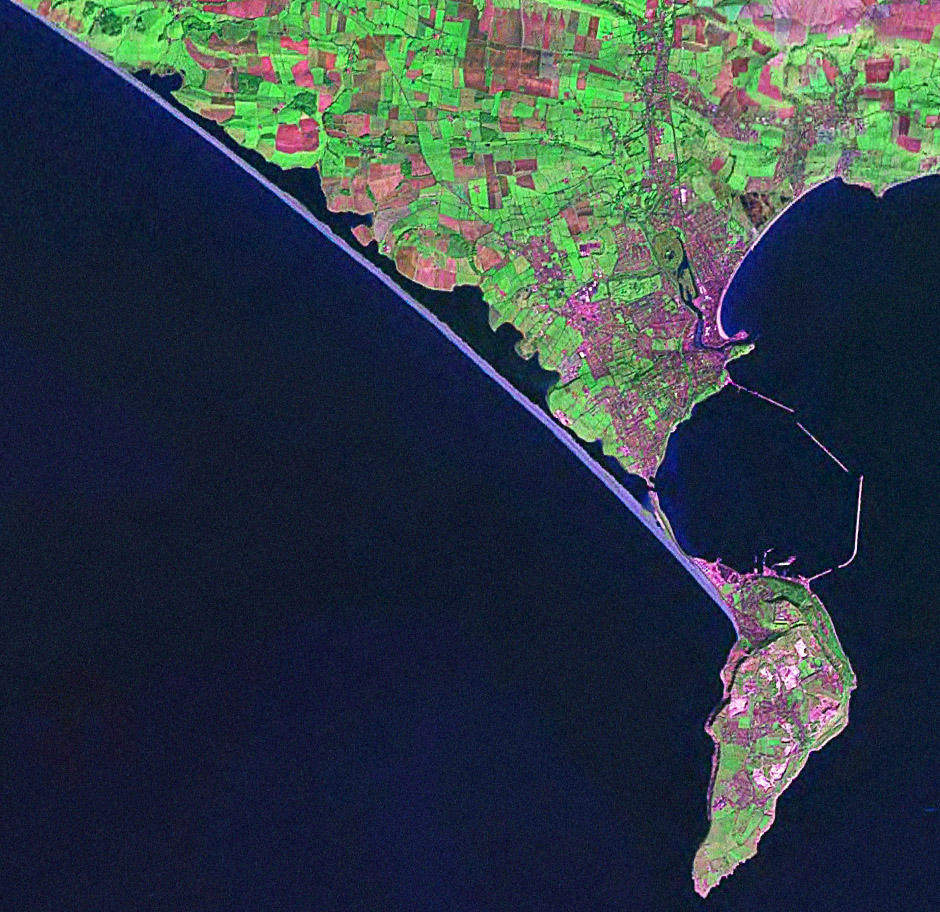
The Jurassic Coast is a 96-mile (154 km) stretch of coastline in south‑west England that runs from Orcombe Point near Exmouth to Old Harry Rocks near Swanage. Its cliffs, coves and beaches expose a near‑continuous sequence of Triassic, Jurassic and Cretaceous rocks, representing roughly 185 million years of Earth history. The area was inscribed as a UNESCO World Heritage Site for its scientific importance and scenic value.
Image gallery
10 Images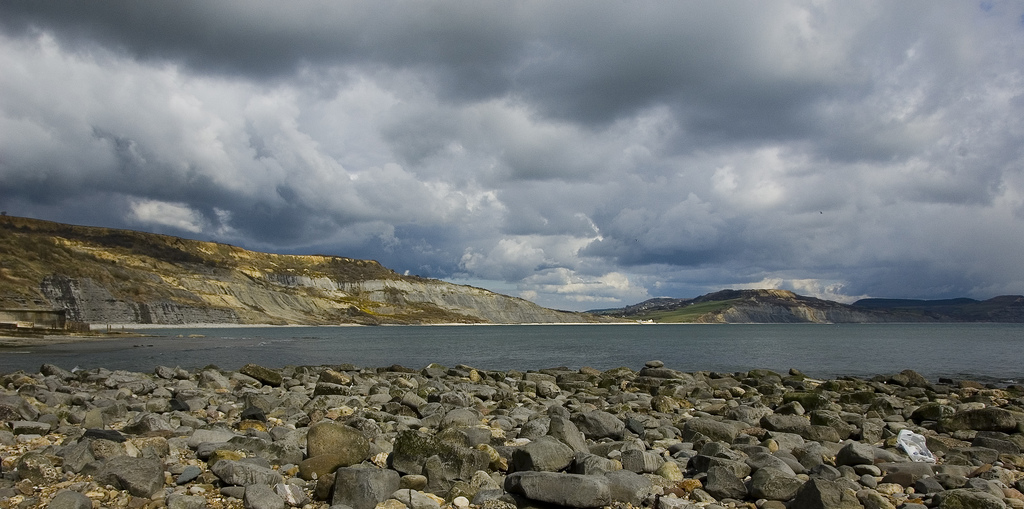




Geology and natural features
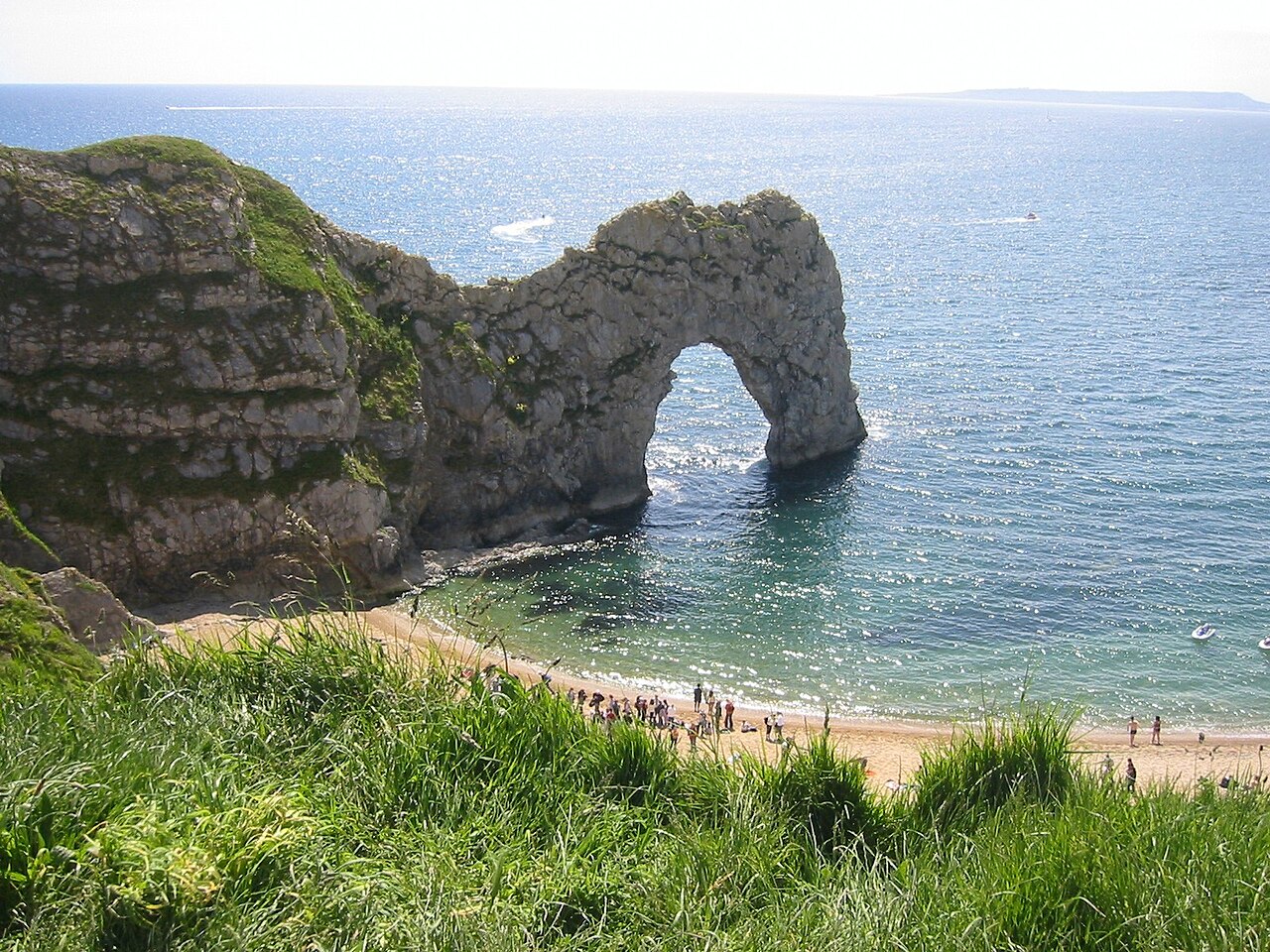
The coastline reveals sedimentary layers that record changing environments from desert and river systems to shallow seas. Iconic features have formed where differing rock types meet and erode at different rates: examples include Lulworth Cove, Durdle Door and the chalk headlands near Swanage. Frequent landslips and coastal erosion continually reshape the shore, exposing fresh rock and occasional fossil beds.
Fossils and scientific importance
Fossil hunting on parts of the coast has yielded important marine reptiles, ammonites and early mammals. Towns such as Lyme Regis and Charmouth (nearer to the central section of the coast) are well known for 19th‑century discoveries and collectors like Mary Anning, whose finds helped establish palaeontology as a scientific discipline. The sequence of strata provides a textbook record for studying evolutionary change and ancient environments.
History, protection and management
The area has been studied by geologists since the 18th and 19th centuries. Recognition as a World Heritage Site in 2001 has focused conservation and visitor management efforts. Management balances public access with protection: designated nature reserves, scheduled monuments and local bylaws regulate activities such as fossil collecting and driving on beaches. Local authorities in East Devon and East Dorset coordinate shoreline management and safety warnings for rockfalls and tides.
Recreation and access
The entire coastline can be explored on the South West Coast Path, a long‑distance walking route that links villages, beaches and viewpoints. Popular activities include guided fossil walks, coastal hiking, sea kayaking and photography. Visitor centres and museums in Lyme Regis, Lulworth and Swanage provide exhibits and practical advice for safe, responsible exploration.
Notable sites and practical tips
- Key landmarks: Orcombe Point, Lulworth Cove, Durdle Door, Old Harry Rocks.
- Towns of interest: Exmouth, Lyme Regis, Charmouth, Swanage — each offers access points and services.
- Safety: respect cliff warnings, avoid unstable foreshore after heavy rain, and follow local guidance when fossil hunting. For official visitor information see local resources and guides (East Devon and East Dorset councils provide updates).
The Jurassic Coast remains a living landscape valued for education, research and recreation. Its combination of accessible geology, dramatic scenery and cultural history makes it one of the United Kingdom's foremost natural heritage areas. Further background, maps and interpretive materials are available from regional visitor services and heritage organisations (central information, Exmouth area, Swanage and Old Harry).
Questions and answers
Q: Where is the Jurassic Coast located?
A: The Jurassic Coast is located in south-west England, stretching between Orcombe Point in East Devon and Old Harry Rocks in East Dorset.
Q: What is the length of the Jurassic Coast?
A: The Jurassic Coast is 96 miles (154km) long.
Q: Is the Jurassic Coast a UNESCO World Heritage Site?
A: Yes, the Jurassic Coast is a UNESCO World Heritage Site.
Q: Can the entire length of the Jurassic Coast be walked on a specific path?
A: Yes, the entire length of the Jurassic Coast can be walked on the South West Coast Path.
Q: What are the two points that define the Jurassic Coast?
A: The two points that define the Jurassic Coast are Orcombe Point in East Devon and Old Harry Rocks in East Dorset.
Q: Which regions are East Devon and East Dorset located in?
A: East Devon and East Dorset are regions located in south-west England.
Q: What makes the Jurassic Coast special?
A: The Jurassic Coast is special because it is a UNESCO World Heritage Site and contains fossils and rocks that date back to the Jurassic period, offering a unique window into Earth's history.
Related articles
Author
AlegsaOnline.com Jurassic Coast — World Heritage coastline in south-west England Leandro Alegsa
URL: https://en.alegsaonline.com/art/51713
Sources
- whc.unesco.org : "Dorset and East Devon Coast"
- southwestcoastpath.com : "The Official Guide to the SWCP"