
Arak County, Markazi Province (Iran)
Arak County is an administrative region in central Iran whose capital is the city of Arak. It is a regional industrial, administrative and transportation hub within Markazi Province.
Overview
Arak County is an administrative division in central Iran, located within Markazi Province. The county’s administrative center and largest city is Arak, a regional hub known for industry, transportation links and public services. In local use the county name appears in Persian; see the local form at Persian name. As an Iranian county (shahrestan), it combines urban, suburban and rural communities under a single county government.
Image gallery
2 Images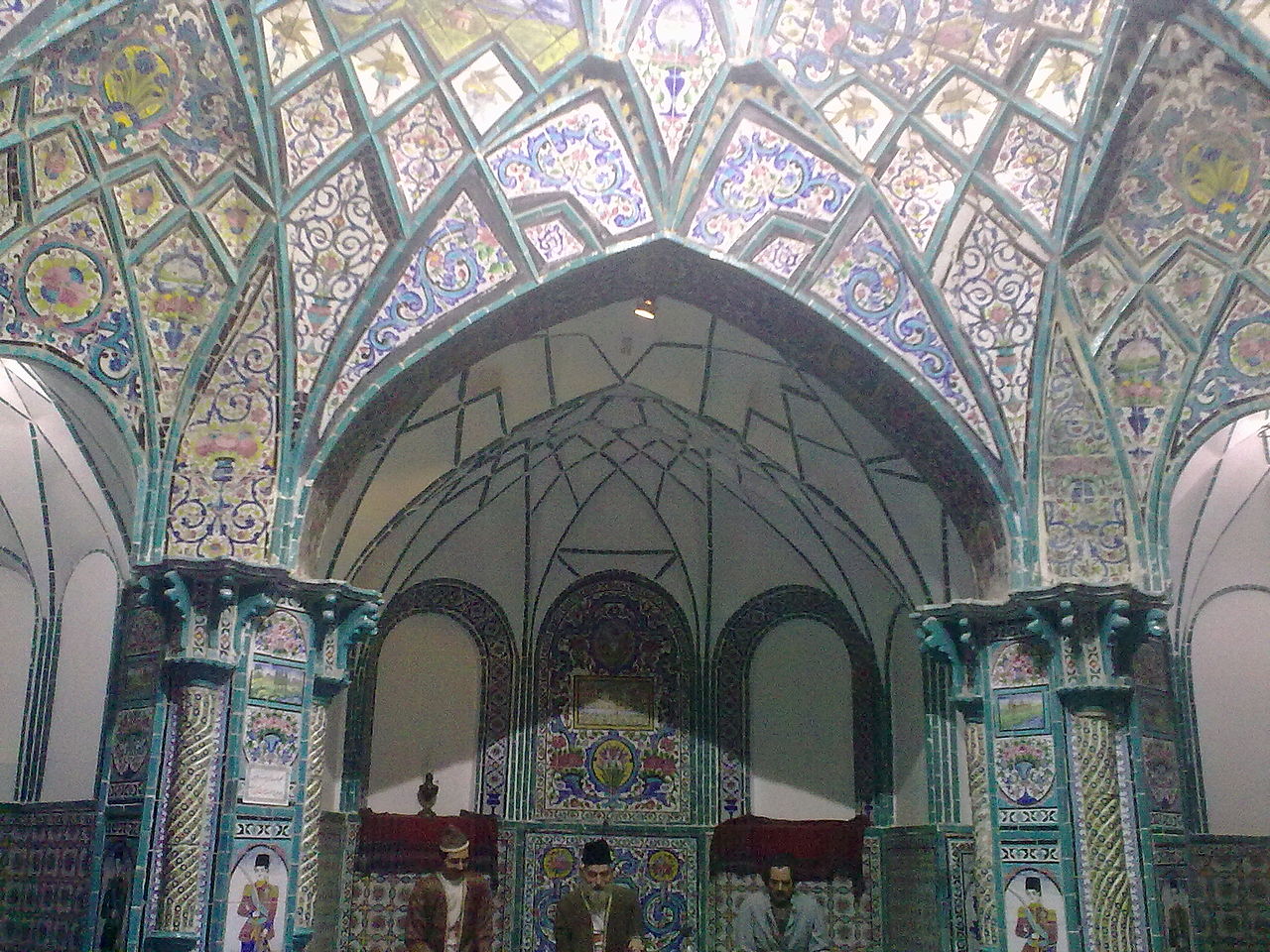

Administration and geography
Like other counties in Iran, Arak County is organized into districts and rural districts that administer towns and villages. The county covers part of the central Iranian plateau and sits at the intersection of plains and surrounding highlands, giving it a continental, semi‑arid climate with cold winters and warm, dry summers.
- Seat: the city of Arak, which functions as the county capital.
- Territory: mix of urban fabric, agricultural land and industrial zones.
- Connectivity: served by regional roads and rail lines linking it to other central provinces and the national network.
History and development
The city of Arak—and therefore the county—developed markedly from a small settlement into a planned industrial town during the modern period. Historically the city was known by an earlier name and later adopted the modern name associated with the surrounding county. Over the 19th and 20th centuries the area grew as a center for workshops, factories and services, which reshaped the local economy and settlement patterns.
Economy and significance
Arak County is recognized as one of the more industrialized parts of the province. Major economic activities include metalworking, heavy machinery, manufacturing and related services, often concentrated in urban industrial districts. Surrounding rural areas contribute agricultural products such as cereals, fruits and horticultural produce that supply local markets. The county’s industrial role gives it provincial importance for employment and trade.
Culture, landmarks and transport
Within the county, the capital city hosts cultural institutions, historical mosques, bazaars and museums reflecting regional history and crafts. Traditional markets coexist with modern commercial centers and industrial facilities. Transportation infrastructure—regional highways and rail connections—supports both passenger travel and freight movement, making the county a logistical node for central Iran and an administrative center with an outsized regional profile.
Further information and context
For administrative terminology and how Iranian counties are organized, see general references on county (shahrestan) governance; a concise description of county-level structure is available at county. Arak County’s role as a provincial capital area continues to shape development priorities, investment and regional planning within Markazi Province.
Tags
Related articles
Author
AlegsaOnline.com Arak County, Markazi Province (Iran) Leandro Alegsa
URL: https://en.alegsaonline.com/art/5163