
June 2011 Christchurch earthquake
A strong aftershock on 13 June 2011 that caused further damage, outages and injuries in Christchurch, New Zealand, part of the prolonged seismic sequence following earlier 2011 quakes.
Overview
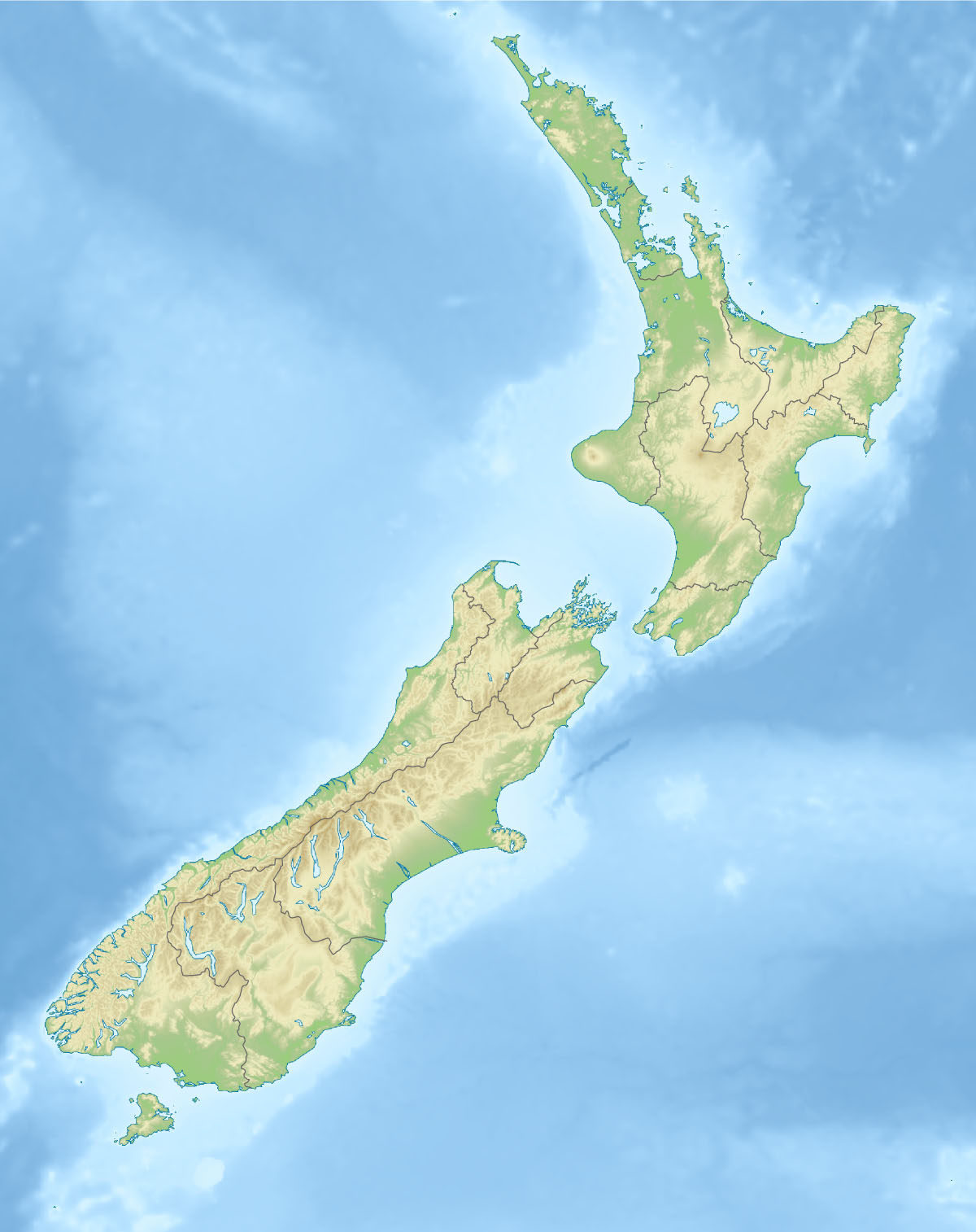
On 13 June 2011 a significant earthquake struck near Christchurch, New Zealand, causing fresh damage to an area still recovering from earlier destructive events that year. The tremor occurred in the mid-afternoon, around 14:20 New Zealand Standard Time (NZST), and was centered a short distance from the city. Reported accounts described the shock as roughly magnitude 6.0 and located at a relatively shallow depth of about 3.8 miles (approximately 6 km), which increased its damaging potential for structures near the epicentre (depth report).
Image gallery
8 Images




Seismological characteristics
The June event was one of many aftershocks and related quakes in the months following the large February 2011 earthquake. Seismographs recorded a notable precursor tremor of around magnitude 5.9 at a slightly greater depth earlier the same day. Official seismic bulletins and analyses provided immediate technical summaries of the shock and its location (seismic bulletin).
Damage and impacts
Although smaller than the catastrophic February mainshock, the June quake caused additional damage to buildings already weakened by prior shaking. Communications suffered: telephone lines were cut and a range of outages affected local services (telecommunications report). Power disruptions left an estimated 54,000 households without electricity for periods while repairs were made (power outage figures).
Human toll and response
Emergency services reported several injuries, and authorities confirmed at least one death associated with the event — an elderly person who died in the wake of the shock. Local and national response teams mobilised to restore utilities, clear debris and inspect damaged buildings. The quake reinforced the need for careful safety checks on structures already compromised by earlier earthquakes in the Canterbury region (Christchurch reports).
Context and significance
The June 2011 earthquake is best understood as part of a prolonged aftershock sequence that followed the February 2011 Christchurch earthquake. That sequence produced many shocks of varying sizes, reshaping engineering practice, emergency planning and reconstruction priorities across the region. The event highlighted the vulnerability of damaged infrastructure to further shaking and contributed to policy discussions on building standards and recovery planning.
Notable facts
- Occurred during the wider 2010–2011 Canterbury earthquake sequence and added pressure to recovery efforts (official summaries).
- Shallow depth increased ground shaking locally (depth details).
- Caused communications and power interruptions that affected tens of thousands (telecoms, power).
For technical data, situational updates and longer analyses consult seismic agency reports and post-event reviews produced in the months following the shock (seismic bulletin, local reports).
Related articles
Author
AlegsaOnline.com June 2011 Christchurch earthquake Leandro Alegsa
URL: https://en.alegsaonline.com/art/51608
Sources
- geonet.org.nz : "New Zealand Earthquake Report - Jun 13 2011 at 2:20 pm (NZST)"
- earthquake.usgs.gov : "Pager Version 2 - M 6.0, South Island of New Zealand"
- geonet.org.nz : "New Zealand Earthquake Report - Jun 13 2011 at 2:20 pm (NZST)"
- geonet.org.nz : "Large earthquakes strike south-east of Christchurch" · web.archive.org
- nzherald.co.nz : "One death reported after earthquake"