
Junior Eurovision Song Contest 2003: inaugural edition in Copenhagen
The first Junior Eurovision Song Contest, held 15 November 2003 in Copenhagen, introduced a continental song competition for performers aged 8–15 and was won by Dino Jelušić of Croatia.
Overview
The Junior Eurovision Song Contest 2003 inaugurated a pan‑European music competition tailored to children and adolescents. It provided a counterpart to the long‑running Eurovision Song Contest specifically for young singers aged eight to fifteen. The event took place on 15 November 2003 in Copenhagen, Denmark, and was presented to viewers by Camilla Ottesen and Remee.
Image gallery
2 Images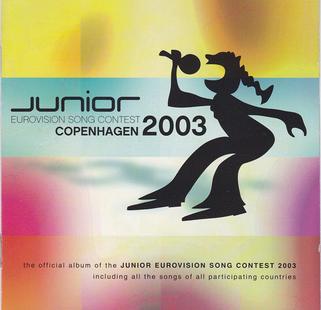

Key facts
- Date: 15 November 2003.
- Host city: Copenhagen, Denmark.
- Presenters: Camilla Ottesen and Remee.
- Winner: Dino Jelušić representing Croatia with "Ti Si Moja Prva Ljubav" ("You Are My First Love").
- Runners‑up: entries from Spain and the United Kingdom finished second and third respectively.
Format and presentation
Like its adult counterpart, the junior contest featured individual performances of original songs, typically performed in the participants' own languages. Each act delivered a short live performance with staging, choreography and backing music. The broadcast combined the competitive show with interval items and presentation segments to introduce the young performers to a wider television audience. The final ranking was decided by votes submitted by the participating broadcasters and their audiences.
Historical context and significance
The 2003 competition represented the European Broadcasting Union's effort to create a recurring, age‑appropriate international platform for emerging talent. As the first edition, it established organisational and artistic precedents—rules on age eligibility, song length and live performance conditions—that would be refined in subsequent years. The event gave a number of young artists pan‑European exposure and helped inspire national youth music initiatives.
Notable points and legacy
As the inaugural contest, the 2003 show is often cited for launching what became an annual showcase for young singers. Its winner, Dino Jelušić of Croatia, was eleven at the time and performed a song recorded in his native language; Spain and the United Kingdom completed the top three. Over time, the contest's rules and broadcast format evolved, but the core idea—bringing young musical talent to a continental stage—remained central. For more background on the wider contest and later editions, consult official broadcaster summaries and historical overviews linked from primary sources such as the parent Eurovision pages and national broadcaster sites.
Further reading and archival materials are available from participating broadcasters and the European Broadcasting Union, which maintain records of entries, running orders and official rules for each edition.
Questions and answers
Q: What was the Junior Eurovision Song Contest 2003?
A: The Junior Eurovision Song Contest 2003 was the first Eurovision Song Contest for young singers aged eight to fifteen.
Q: When and where was it held?
A: It was held on 15 November 2003 in Copenhagen, Denmark.
Q: Who presented the show?
A: The show was presented by Camilla Ottesen and Remee.
Q: Who won the contest and with which song?
A: The then eleven-year-old Dino Jelušić, who represented Croatia, won the contest with his song "Ti Si Moja Prva Ljubav" (You Are My First Love).
Q: Which country came in second place?
A: Spain came in second place.
Q: Which country came in third place?
A: The United Kingdom came in third place.
Q: What was the age group of the singers who participated in the contest?
A: The age group of the singers who participated in the contest was between eight to fifteen years old.
Related articles
Author
AlegsaOnline.com Junior Eurovision Song Contest 2003: inaugural edition in Copenhagen Leandro Alegsa
URL: https://en.alegsaonline.com/art/51649
Sources
- ukgameshows.com : "Eurovision Song Contest"