
June 2017 London Bridge attack
On 3 June 2017 three attackers drove a van into pedestrians on London Bridge then carried out stabbings at Borough Market. Several civilians were killed and dozens injured; police treated it as a terrorist incident.
On the evening of 3 June 2017 a coordinated assault in central London combined vehicle-ramming and knife attacks. The incident began on London Bridge and continued into the nearby Borough Market area in Southwark. Authorities quickly treated the events as a terrorist incident in a busy nightlife district, and emergency services and armed police responded within minutes.
Image gallery
7 Images


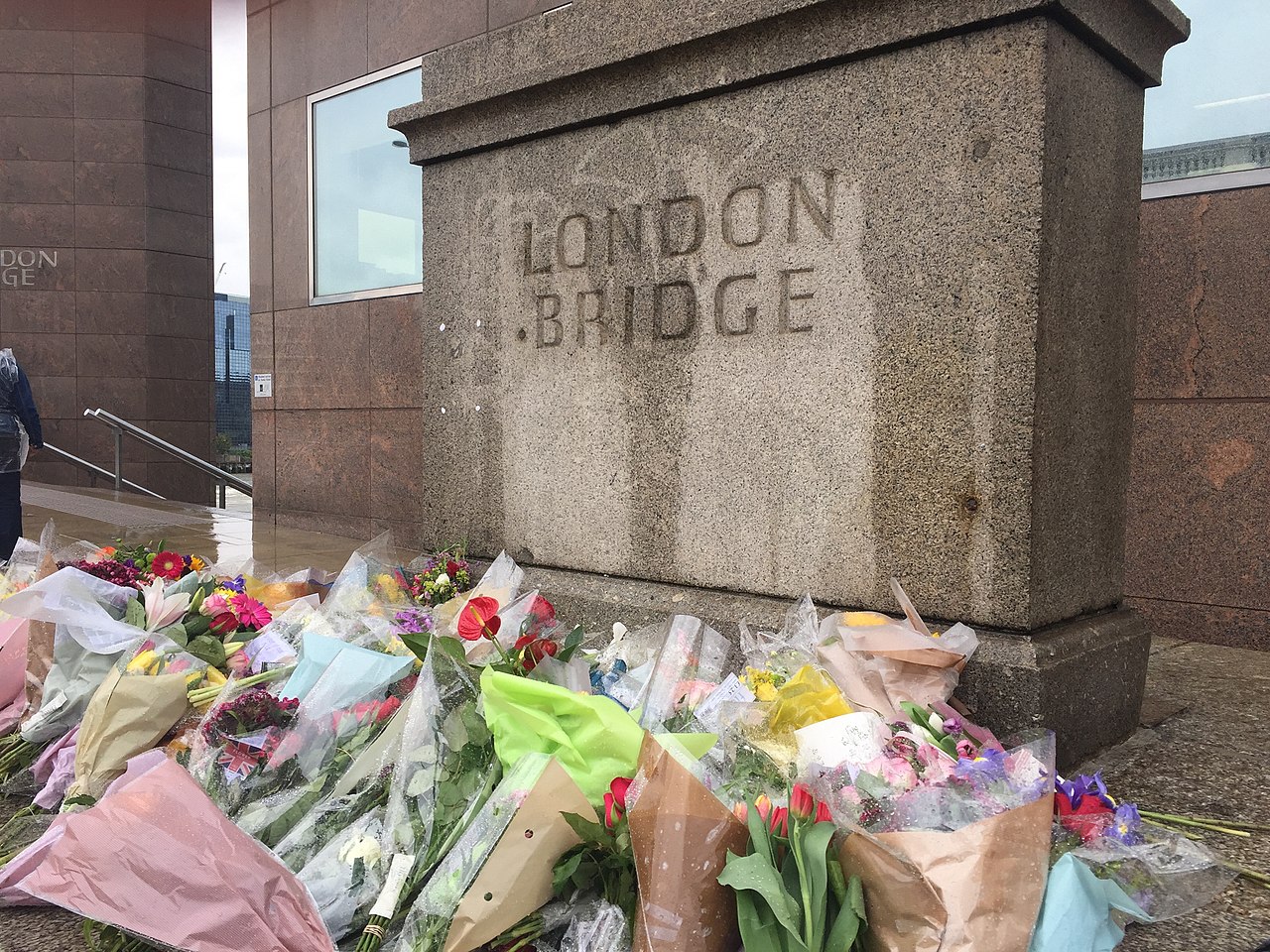

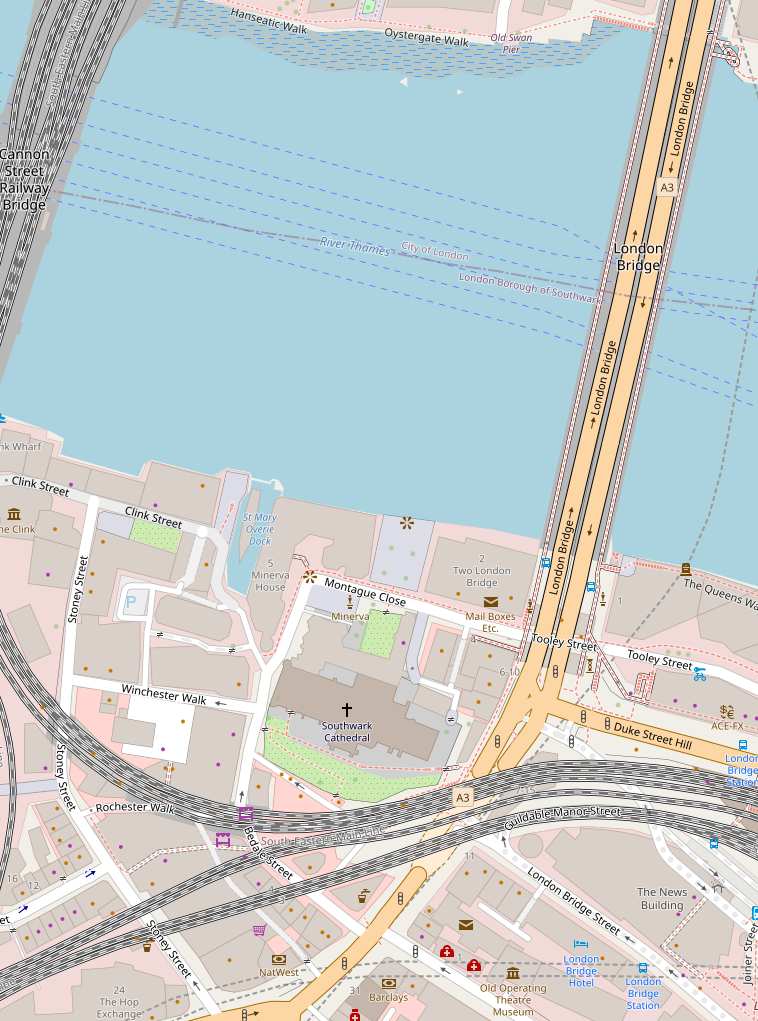
What happened
Shortly before 22:00 British Summer Time a white van was driven into pedestrians on central London. The vehicle continued across the bridge and stopped on the south side, after which three men exited and ran toward Borough Market. There they carried out stabbing attacks inside and near several restaurants and pubs. Witnesses later reported that the attackers were wearing improvised or fake explosive vests and that at least one shouted a phrase reported by bystanders as "This is for Allah". Armed officers confronted the assailants and shot all three within several minutes, ending the attack.
Casualties, identification and immediate response
The assault killed eight members of the public and the three attackers; dozens of people were injured, with figures widely reported at around 48 injured. The Metropolitan Police declared the scene a terrorist incident and launched a major investigation. In the days that followed investigators named the three suspects and examined their backgrounds and possible links to wider networks. Two attackers were publicly identified on 5 June and the third was named on 6 June. Government figures and police officials gave regular briefings as identification and forensic work continued.
Aftermath, investigation and public reaction
Authorities carried out follow-up arrests and searches elsewhere as part of the criminal and counter‑terrorism enquiries. The attack prompted reviews of intelligence and prevention arrangements; senior ministers addressed Parliament and the public. The Home Secretary and other officials issued statements attempting to explain motivations and the role of radicalisation. In media reports the Home Secretary Amber Rudd spoke about the apparent Islamist inspiration for the assault while stressing the need to learn more about how the attackers were radicalised.
Significance and notable aspects
- The attack combined vehicle‑ramming with close‑range stabbings, a pattern seen in several attacks in that period.
- Attackers wore imitation explosive devices, complicating the immediate police response and public perception of threat.
- Rapid armed intervention by police prevented further loss of life on the night but led to questions about prevention and monitoring of suspects.
Public reaction included vigils for the victims, tributes to first responders, and renewed debate over counter‑terrorism resources, information‑sharing and community-based prevention programmes. Investigations and legal work continued in the months following the attack, and the incident influenced subsequent security planning for large public spaces and transport infrastructure across the UK.
Related articles
Author
AlegsaOnline.com June 2017 London Bridge attack Leandro Alegsa
URL: https://en.alegsaonline.com/art/51609
Sources
- standard.co.uk : "London Bridge killers' fake suicide belts revealed"
- theguardian.com : "London terror attack: what we know so far"
- theguardian.com : "Three Australians caught up in London Bridge attack, Julie Bishop says"
- bbc.co.uk : "Attacker named as Khuram Butt"
- theguardian.com : "Second London attacker was chef who lived in Dublin, say sources"
- bbc.co.uk : "Third London Bridge attacker named"
- reuters.com : UK's Rudd says London attackers probably "radical Islamist terrorists"
- philadelphia.cbslocal.com : "Police: Reports Of 'Multiple' Casualties In 2 Terror Incidents In London"
- telegraph.co.uk : "London terror attack: London Bridge and Borough Market latest – at least two dead amid van attack, stabbings and gunfire"
- telegraph.co.uk : "'They shouted 'this is for Allah', as they stabbed indiscriminately' – How the London terror attack unfolded"
- theguardian.com : "London attacks: six people killed; three terror suspects shot dead by police – latest updates"
- fox13now.com : "Police declare 'terrorist incidents' after violence at London Bridge, Borough Market"
- independent.co.uk : "London Bridge and Borough Market are 'terrorist incidents', according to Met Police"
- cbsnews.com : "London attack: British police say 2 attacks "terrorist incidents" — Live updates"