
Arabesque: the foliate ornamental style in Islamic and European decorative art
Arabesque is a decorative motif of interlaced foliage, tendrils and flowing lines used widely in Islamic art and later in European ornament, notable for infinite repeat, stylization, and rhythmic symmetry.
Overview
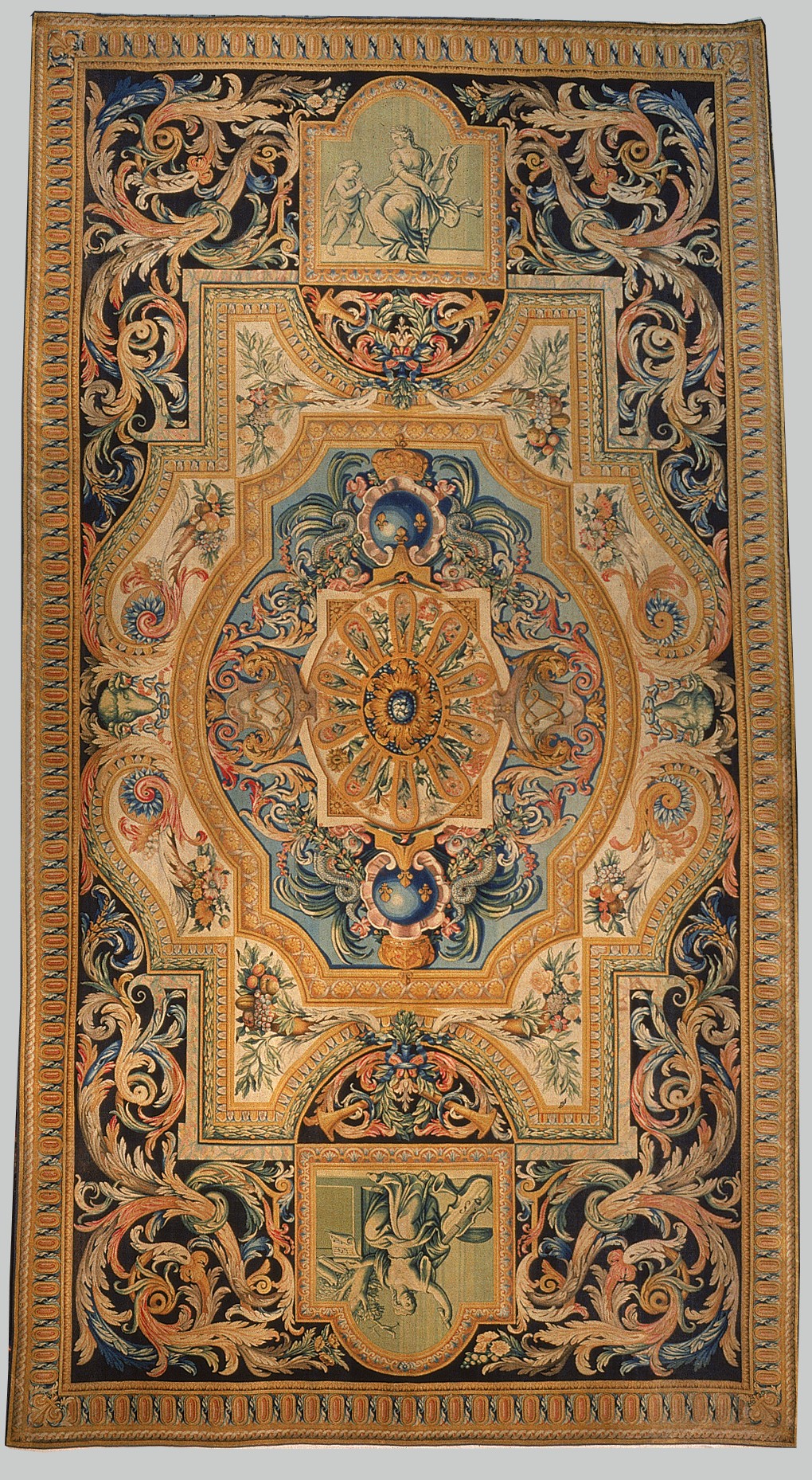
Arabesque denotes a type of ornamental design that translates botanical and linear forms into rhythmic, repeating surface decoration. Characterized by curling stems, stylized leaves and intertwined lines, arabesques can be composed as a single unit that is tiled to cover walls, fabrics, manuscripts and objects without obvious termination.
Image gallery
10 Images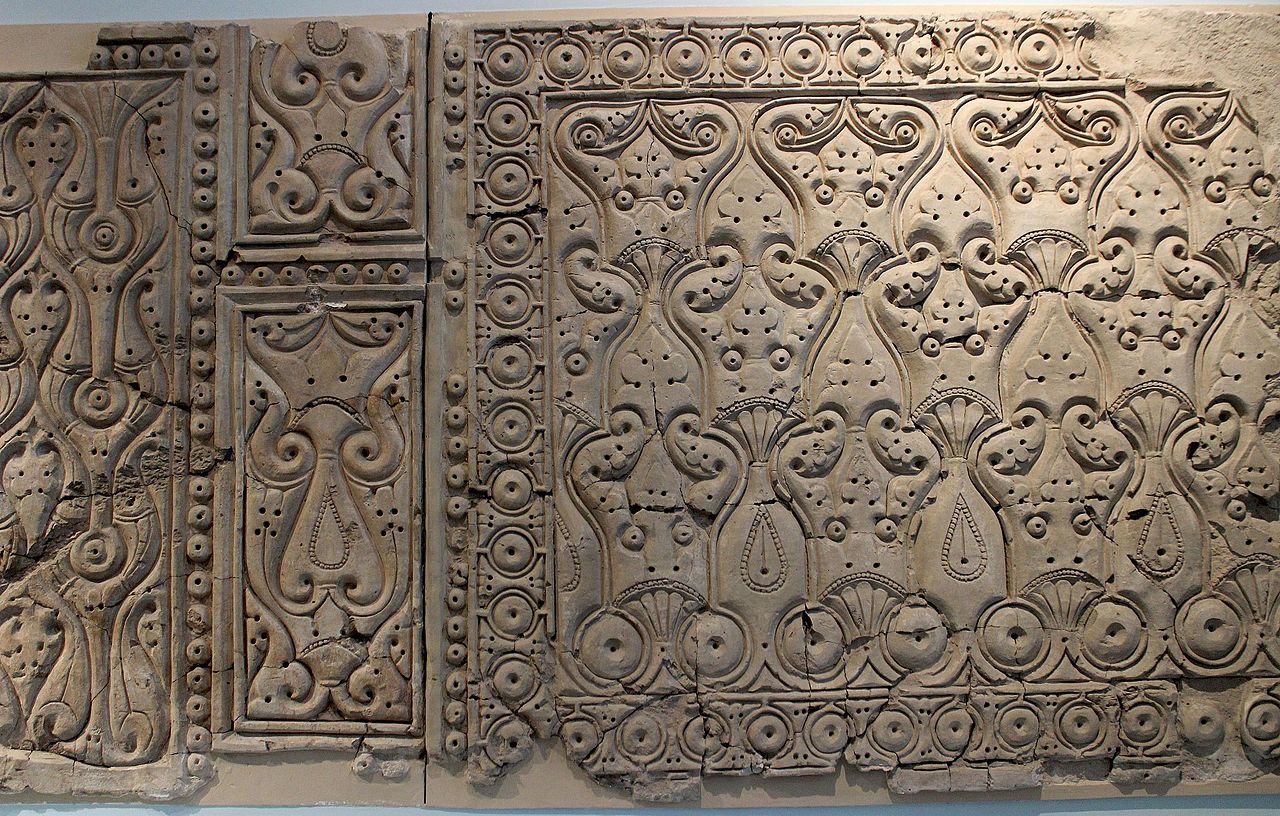






Visual characteristics
Although diverse in execution, arabesque designs share several recognizable traits. They often present continuous, flowing growth rather than isolated motifs; they rely on rhythmic repetition and mirror symmetry; and they transform natural plant elements into abstract, interlaced patterns. Calligraphic brushwork and linear arabesque variants emphasize outline and movement over three-dimensional realism.
- Core elements: tendrils, spirals, stylized leaves, vine-scrolls, and interlaced stems.
- Organization: single repeat units, mirrored motifs, and continuous all-over patterns.
- Surface treatment: painted, carved, incised, woven or inlaid.
History and development
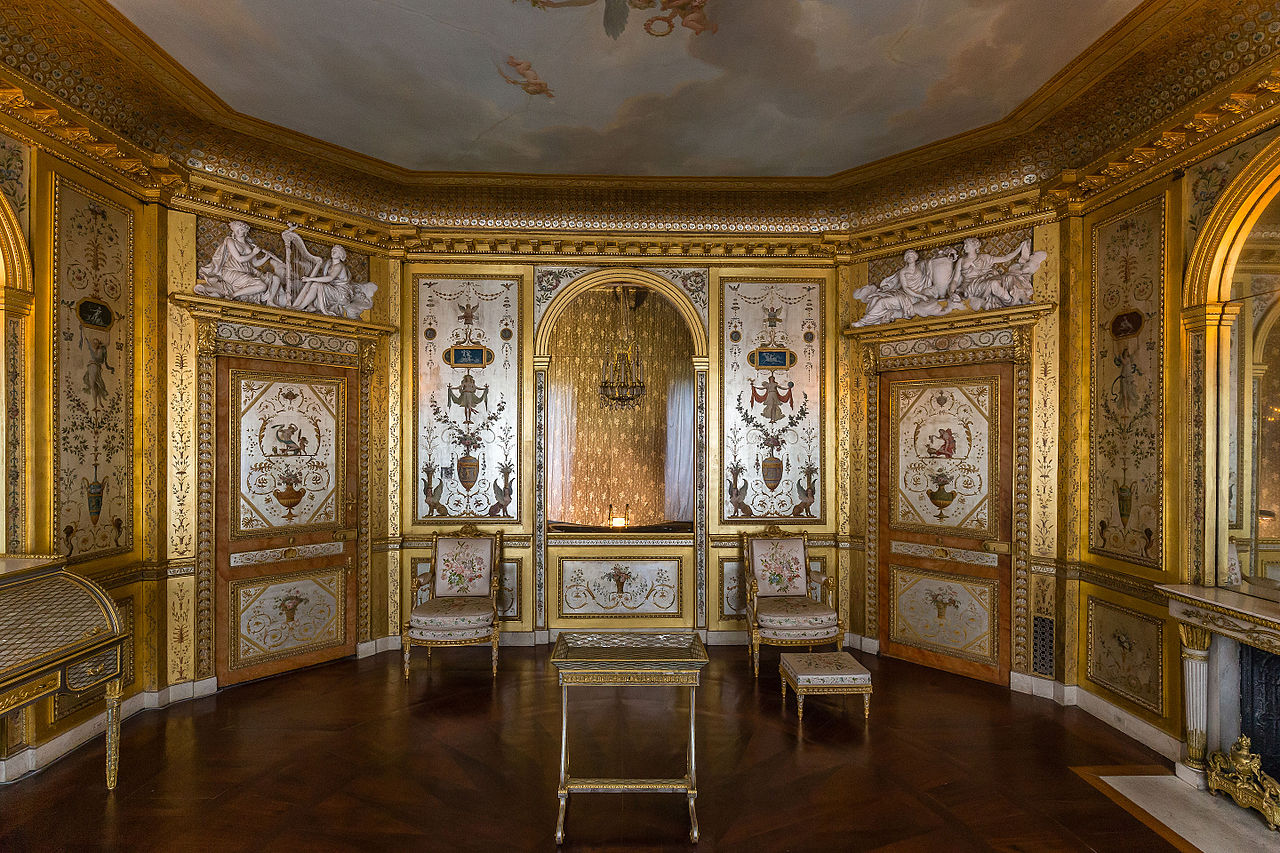
Roots of the arabesque motif appear in late antiquity and Byzantine ornament, but the form became a defining vocabulary in Islamic art from approximately the 9th century onward, where it evolved alongside geometric and calligraphic systems. During the European Renaissance and later decorative revivals, artists adopted and adapted arabesque motifs, integrating them into furniture, book illustration and architectural ornament.
Uses, contexts and examples
Arabesques are found across many media. In architecture they appear as carved stucco, tile panels and painted friezes; in manuscripts as marginal decoration and illuminated borders; and in applied arts as textile patterns, carpets, metalwork and ceramics. Their repeatable nature makes them especially useful for covering large surfaces while creating a unified decorative field.
- Architectural facades, mihrab and dome interiors.
- Illuminated manuscripts and bookbindings.
- Carpets, textiles and decorative metalwork.
Distinctions and notable facts
Arabesque is distinct from the strictly geometric patterns often associated with Islamic art: geometric designs prioritize mathematical tessellation, whereas arabesques emphasize vegetal sinuosity and continuous growth. The term has also been borrowed in other fields—ballet and music use "arabesque" to suggest graceful, ornamental lines—reflecting the visual concept of fluent, ornamental movement. While closely associated with Islamic decorative traditions, arabesque motifs crossed cultural boundaries and were continuously reinterpreted in different historical periods.
Contemporary relevance
Today arabesque motifs remain popular in restoration, contemporary design and graphic arts, where their balance of repetition and variation suits both historical reconstruction and modern patterning. For further introductions and visual examples, see Further reading on arabesque ornament.
Related articles
Author
AlegsaOnline.com Arabesque: the foliate ornamental style in Islamic and European decorative art Leandro Alegsa
URL: https://en.alegsaonline.com/art/5128