
Arabic: language, script, dialects, and cultural role
Arabic is a Central Semitic language with a distinctive script, wide regional varieties, a long literary tradition rooted in the Qur'an, and important roles in religion, media and education across many countries.
Overview
Arabic is a member of the Semitic branch of the Afroasiatic language family and serves as both a native tongue and a lingua franca across much of North Africa and the Middle East. It functions as the liturgical language of Islam and as a national or official language in many states. Arabic is often discussed in terms of a single language with many regional varieties, rather than a uniform spoken standard.
Image gallery
6 Images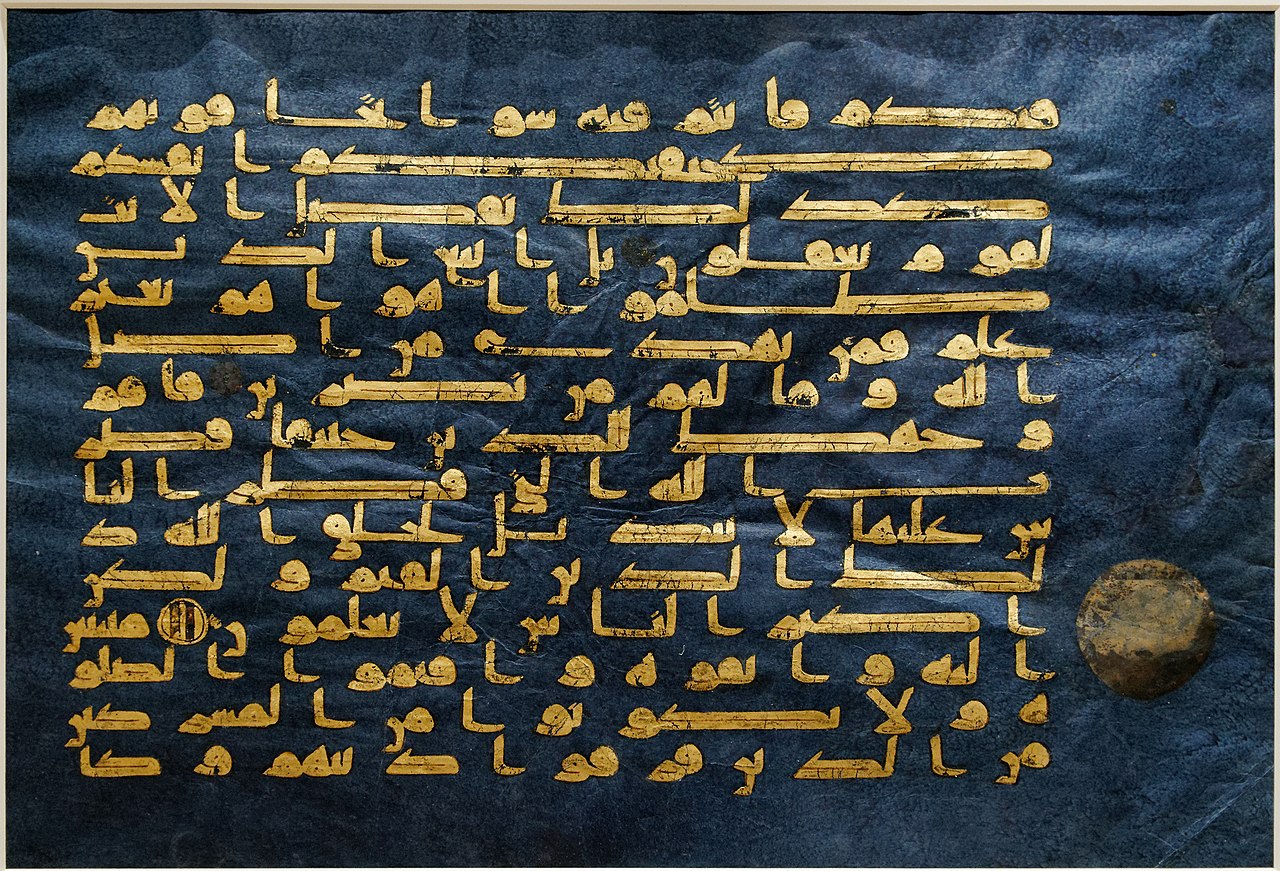


Script and sound system
Arabic is written in a script derived from the Nabataean alphabet and is normally read from right to left. The traditional orthography is an abjad: consonants are represented by letters while short vowels are usually omitted in everyday writing and are shown only with diacritics in specialized texts. The sound system includes emphatic consonants, a set of uvulars and pharyngeals that are uncommon in European languages, and a contrast between short and long vowels.
History and development
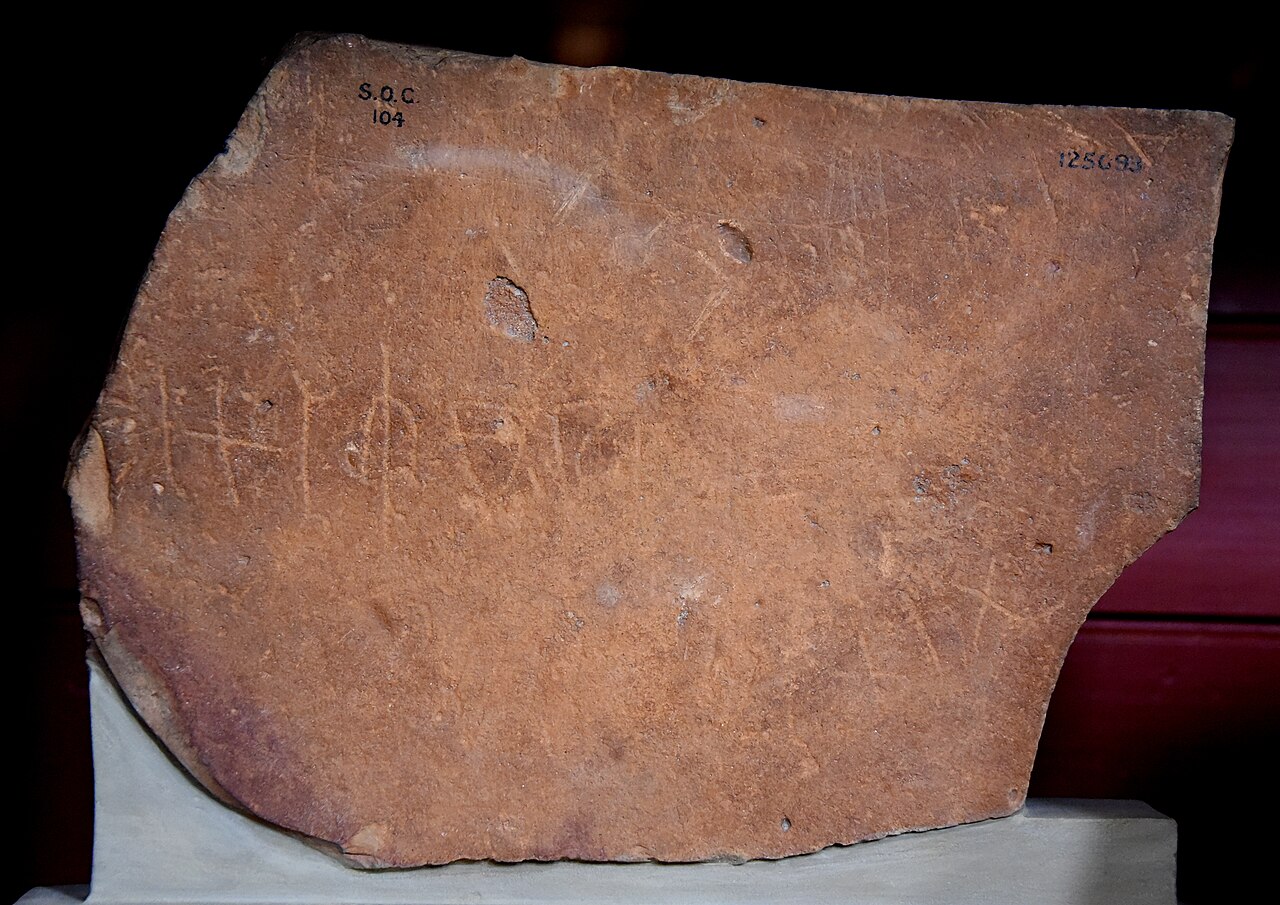
Evidence of early Arabic appears in inscriptions from pre-Islamic Arabia and in a rich tradition of oral poetry. The codification of Classical Arabic is closely tied to the Qur'an and the early grammatical works produced by scholars in the first centuries of Islam. Over time, literary standards and scholarly grammars established features that persist in formal registers today, while spoken varieties continued to evolve regionally.
Varieties and diglossia
Arabic exhibits widespread diglossia: Modern Standard Arabic (MSA) or Classical forms are used in writing, formal speech, education and media, while numerous colloquial dialects are used in everyday conversation. Major dialect groups include Egyptian, Levantine, Gulf, Mesopotamian and Maghrebi, each with internal diversity. Mutual intelligibility varies: neighboring dialects are often understandable to one another, while geographically distant varieties can differ substantially.
Uses and cultural importance
Arabic plays multiple roles: it is the language of religious practice for Muslims worldwide, the medium for a centuries-long literary and scientific heritage, and a modern vehicle for journalism, education and government. Arabic-script alphabets have been adapted to write other languages historically, and contemporary Arabic-language media and literature continue to influence regional culture and politics.
Notable features and distinctions
Key distinctions include the split between Classical/MSA and colloquial speech, the use of the Arabic script beyond Arabic itself, and the language's historical role in scholarship and interregional communication during the medieval period. Learning Arabic typically involves exposure to both the standardized written form and one or more regional dialects, reflecting its dual written-spoken nature.
- Classification: Central Semitic (Afroasiatic family)
- Script: Arabic script, right-to-left, consonant-based orthography
- Register split: Classical/Modern Standard vs colloquial dialects
Related articles
Author
AlegsaOnline.com Arabic: language, script, dialects, and cultural role Leandro Alegsa
URL: https://en.alegsaonline.com/art/5137