
Arable Land: Definition, Characteristics, Uses, and Management
Land suitable for plowing and cultivation; its features, historical development, uses, threats, and sustainable management practices.
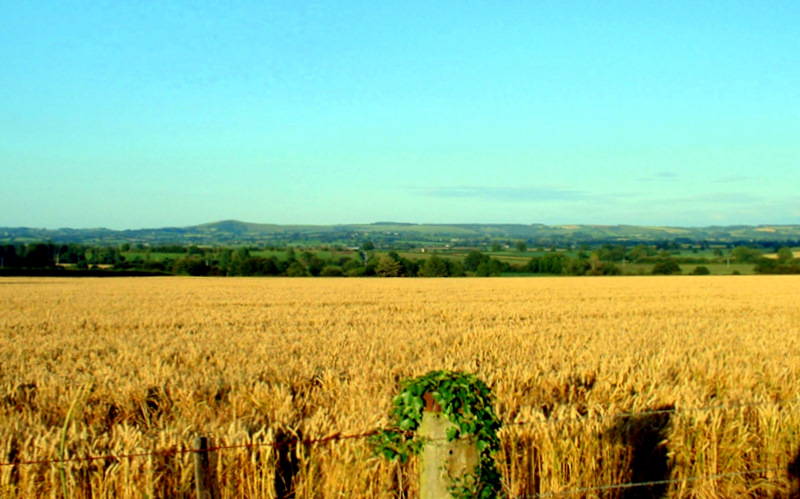
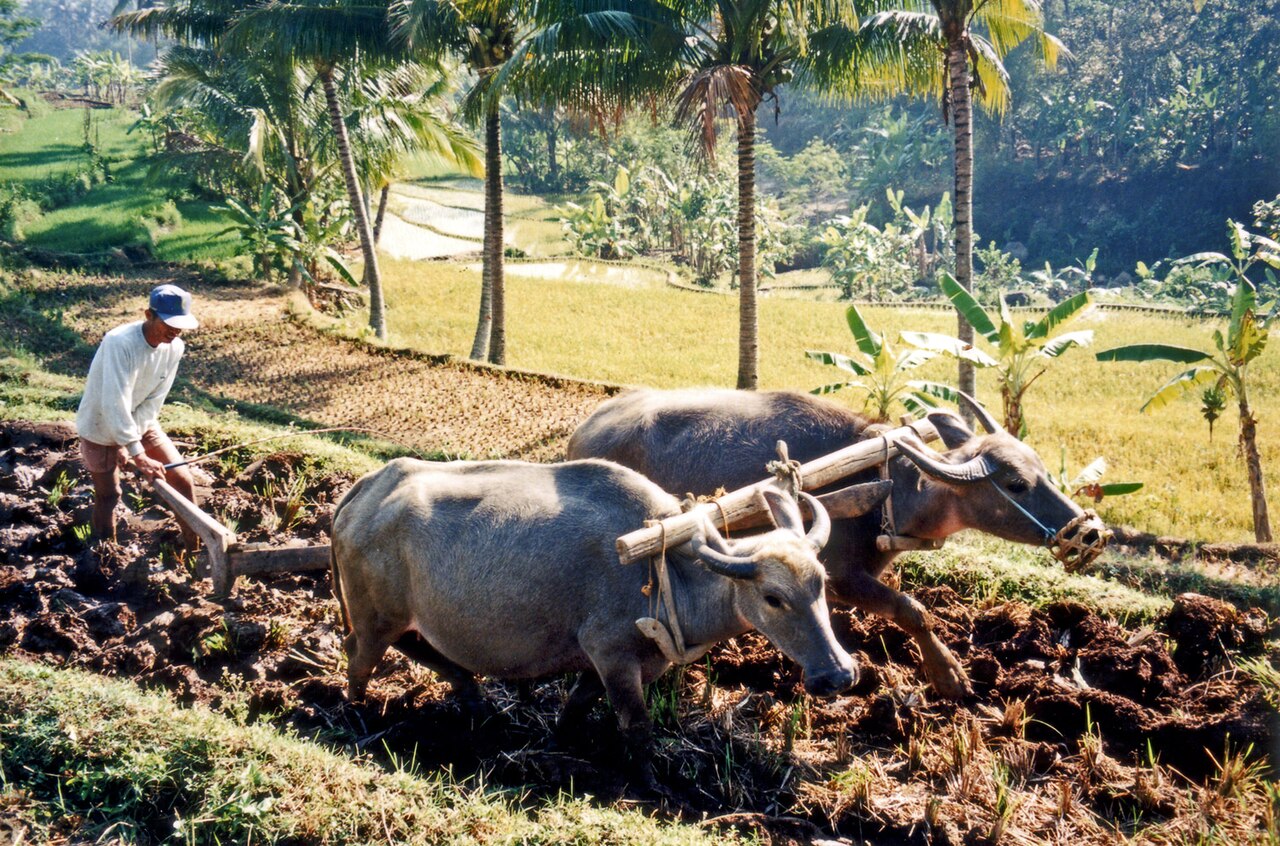
Arable land refers to terrain that can be prepared by plowing and used to produce crops. The term derives from Latin arabilis, meaning "able to be plowed." Whether a parcel is considered arable depends on soil depth and texture, slope, drainage, climate and accessibility for farm operations. Practical classification also reflects local farming systems and technology.
Image gallery
7 Images



Characteristics and requirements
Arable fields typically share physical and chemical properties that support plant growth. Key attributes include:
- adequate topsoil depth and structure for root development;
- soil texture and porosity that balance water retention and aeration;
- sufficient organic matter and nutrient availability;
- good surface and subsurface drainage to avoid waterlogging;
- a terrain slope and size compatible with mechanized or manual plowing and other field operations.
These factors interact with climate and local practices to determine which crops can be successfully cultivated and how intensively the land can be used.
History and development
The conversion of wild landscapes into arable fields underpins the development of settled agriculture. Over millennia people modified soils, cleared vegetation and adopted tools and techniques—from hand hoes to the moldboard plow—to increase productive area. In modern times, advances in irrigation, fertilizers and crop breeding expanded yields and changed where land is viable for cultivation.
Arable land is primarily used to grow crops for food, animal feed, fiber and industrial uses. It forms the basis of most food systems and supports rural livelihoods and markets. Examples range from small vegetable plots to large cereal farms and irrigated plantations.
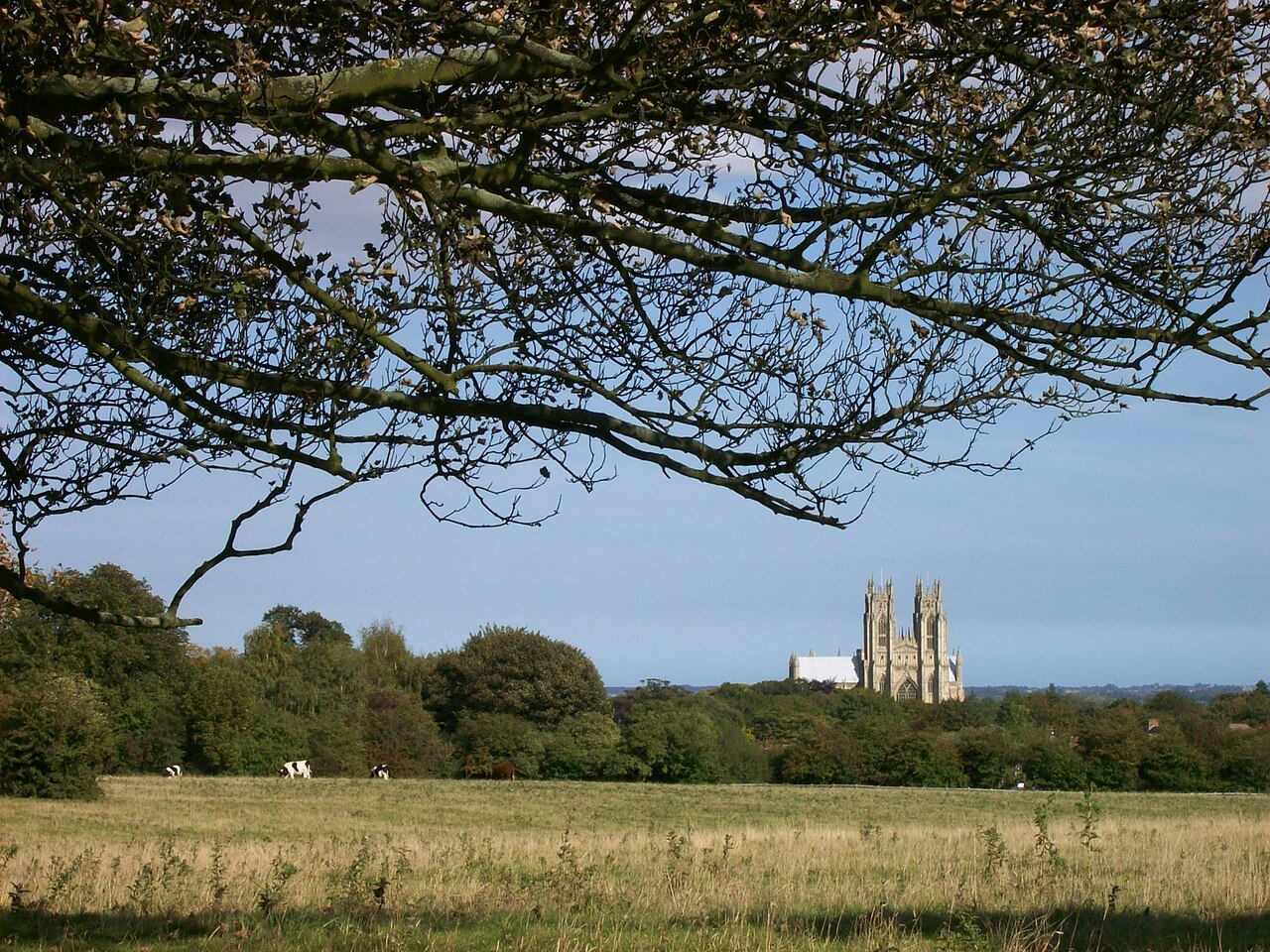
Arable areas are distinct from pasture land, which is intended mainly for grazing livestock rather than cropping. Some land may be convertible between uses depending on management and policy.
Threats to arable land include erosion, nutrient depletion, salinization from poor irrigation, urbanization and conversion to non‑agricultural uses, and the impacts of climate change. Sustainable approaches—such as crop rotation, conservation tillage, cover cropping, integrated soil fertility management and agroforestry—help maintain productive capacity and reduce degradation while supporting long‑term food security.
Related articles
Author
AlegsaOnline.com Arable Land: Definition, Characteristics, Uses, and Management Leandro Alegsa
URL: https://en.alegsaonline.com/art/5140