
Joseph Hooker
Union Army major general in the American Civil War, commander of the Army of the Potomac known for organizational reforms and his defeat at the Battle of Chancellorsville.
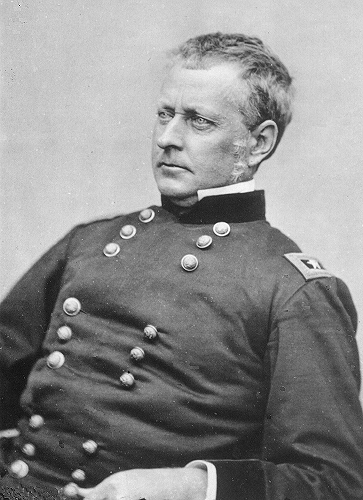
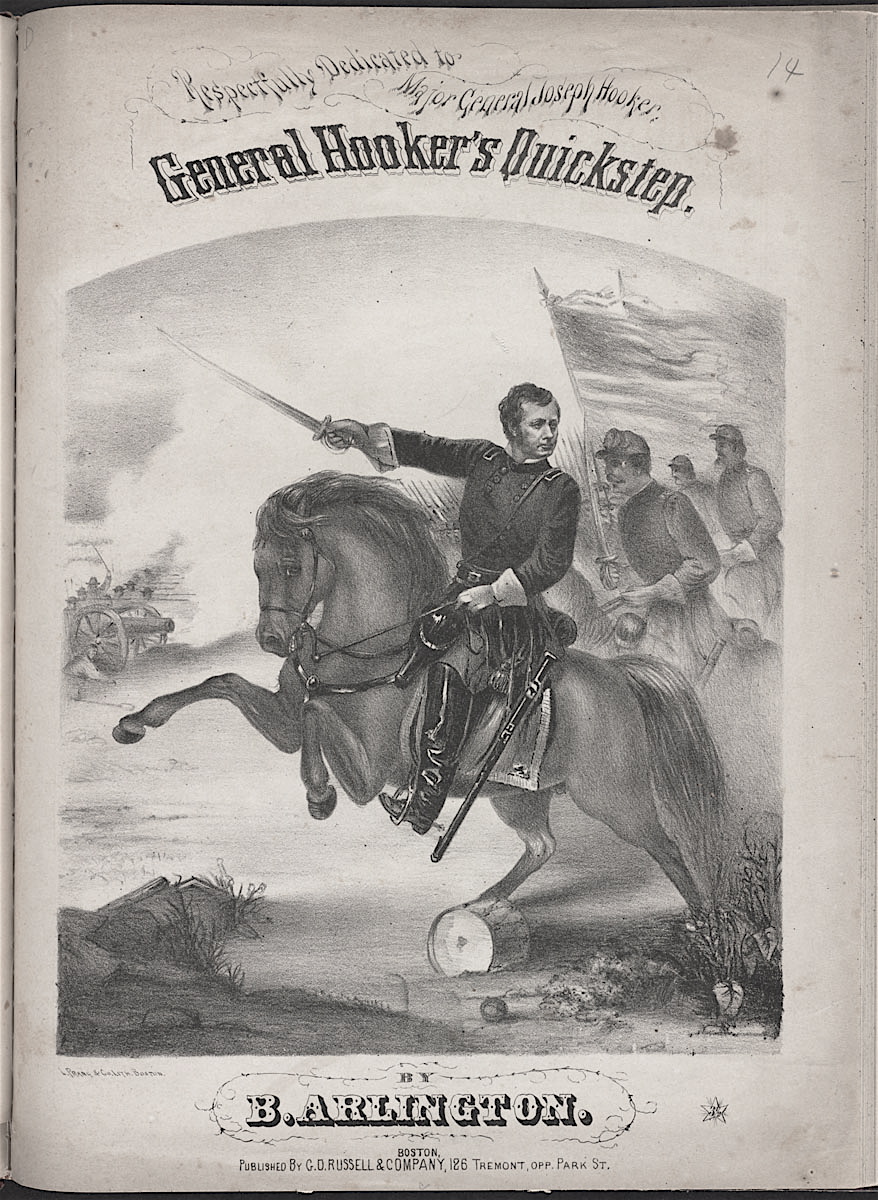
Joseph Hooker (1814–1879) was a senior officer in the Union Army during the American Civil War. He rose to national prominence as commander of the Army of the Potomac and is remembered both for modernizing aspects of army administration and for his decisive setback at the Battle of Chancellorsville.
Hooker began his career as a professional soldier, graduating from the United States Military Academy and serving in earlier conflicts before the Civil War. By the outbreak of war he had substantial military experience and a reputation for energetic command. His combative personality earned him the sobriquet "Fighting Joe," a nickname that became widespread during the conflict.
Image gallery
10 Images



Reforms and command style
- Organizational changes: Hooker reorganized corps and staff structures to improve logistics and readiness.
- Soldier welfare: He emphasized camp sanitation, better rations and medical arrangements to raise morale.
- Cavalry and reconnaissance: Under his tenure the Army of the Potomac established a more centralized cavalry force and improved scouting practices.
- Training and discipline: Hooker promoted more systematic drilling and wanted a well-supplied, well-led army prepared for offensive action.
In the spring of 1863 Hooker led a large Union force in a campaign against General Robert E. Lee. At the Battle of Chancellorsville his army outnumbered the Confederates, but aggressive Confederate tactics, including a famous flank attack, produced a significant Union defeat. Hooker himself was injured during the battle and his conduct and decisions in the campaign have been debated by historians ever since.
Following Chancellorsville Hooker was relieved of overall command and replaced by George G. Meade shortly before the pivotal Battle of Gettysburg. Although he remained in the army and held other commands later in the war, Hooker never again occupied the highest field command in the Eastern Theater.
Hooker’s legacy is mixed: he is credited with important administrative and organizational improvements that benefited Union forces, yet his battlefield reputation suffered after Chancellorsville. Scholars and students of the Civil War continue to assess his strengths as a reformer and his limitations as a corps-level and army-level battlefield commander.
Related articles
Author
AlegsaOnline.com Joseph Hooker Leandro Alegsa
URL: https://en.alegsaonline.com/art/51229