
José María Calleja
Spanish journalist, university professor and anti-ETA activist who was a political prisoner under Franco and later a prominent commentator and critic; died of COVID-19 in April 2020.

Overview
José María Fernández Calleja (1955–2020) was a Spanish journalist, academic and public intellectual. He became widely known for his outspoken criticism of political violence and for activism opposed to the Basque separatist group ETA. Over several decades he worked in broadcast and print media, taught journalism and took part in public debates about democracy, terrorism and memory in Spain. His work combined reporting, commentary and teaching.
Image gallery
1 Image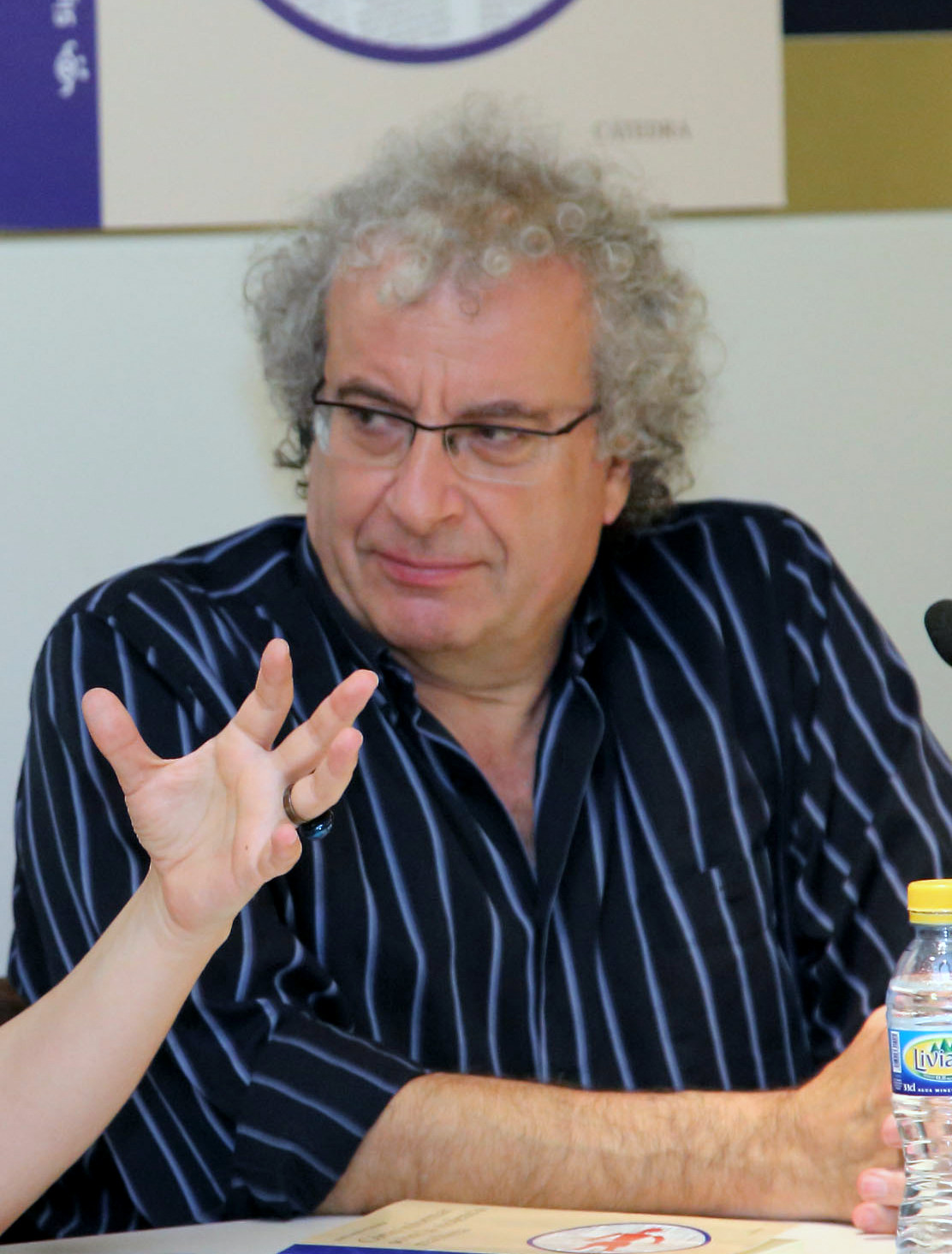
Early life and imprisonment
Born in León, Spain, Calleja was active politically at a young age and spent time as a political prisoner during the final years of the Franco dictatorship. That early experience shaped his later career and informed his commitment to civil liberties and democratic values. His formative years are often cited as a background to his later stance on violence, extremism and the rule of law.
Career and activism
Calleja worked in television and radio for many years and was a familiar voice and face in national debates. He was associated with CNN+ between 1999 and 2010 and also taught journalism at Universidad Carlos III de Madrid. As a commentator he frequently addressed terrorism, victims' rights and political accountability. His positions, especially his condemnation of ETA, made him a prominent figure in discussions about how Spain should confront political violence and reconciliation.
Threats, controversies and public role
Because of his strong public stance against ETA and his media presence, Calleja received threats and was the subject of controversy. He took part in judicial and civic efforts to support victims and to promote criminal investigation of political crimes. Supporters regarded him as a defender of democratic principles; critics sometimes challenged his tone or approach in heated public debates.
Death and legacy
In March 2020 Calleja was diagnosed with COVID-19 and he died from complications of the illness on 21 April 2020 in Madrid at the age of 64. His death prompted reflections in Spain on his role as a journalist, teacher and campaigner against political violence. Commentators remembered both his contributions to public discourse and the controversies that accompanied a long career in a polarized field.
Selected links and quick facts
- Profession: Journalist and university professor — more
- Opposed to: ETA and political violence — context
- Birthplace: León, Spain — local info
- Early imprisonment: detained under Franco — historical background
- Health and death: COVID-19 diagnosis and death in 2020 — report and hospital information
Related articles
Author
AlegsaOnline.com José María Calleja Leandro Alegsa
URL: https://en.alegsaonline.com/art/51157
Sources
- diariovasco.com : José María Calleja fallece por coronavirus