
José Martí: Cuban writer, activist and symbol of independence
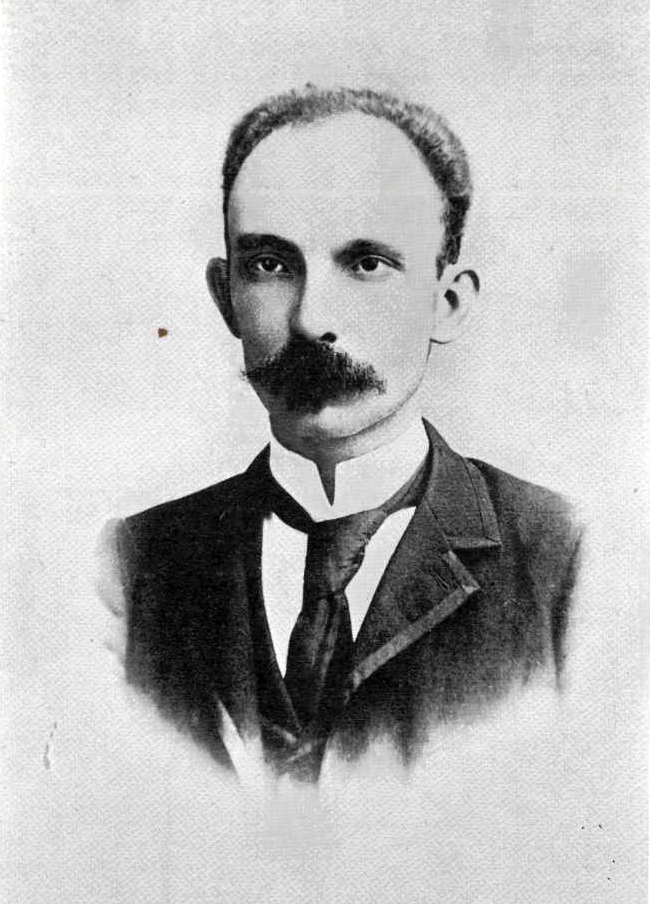
José Martí (1853–1895) was a Cuban writer, political organizer and national hero whose essays, poems and activism shaped the movement for Cuban independence and influenced Latin American political thought.
José Martí is remembered as one of the central figures in Cuba's struggle for independence from Spain and as a major Latin American intellectual of the 19th century. Born on January 28, 1853 in Havana, he combined journalism, poetry and political organizing throughout a life spent largely in exile. He died in combat on May 19, 1895, at the Battle of Dos Ríos, before seeing the full realization of the republic he sought.
Image gallery
10 Images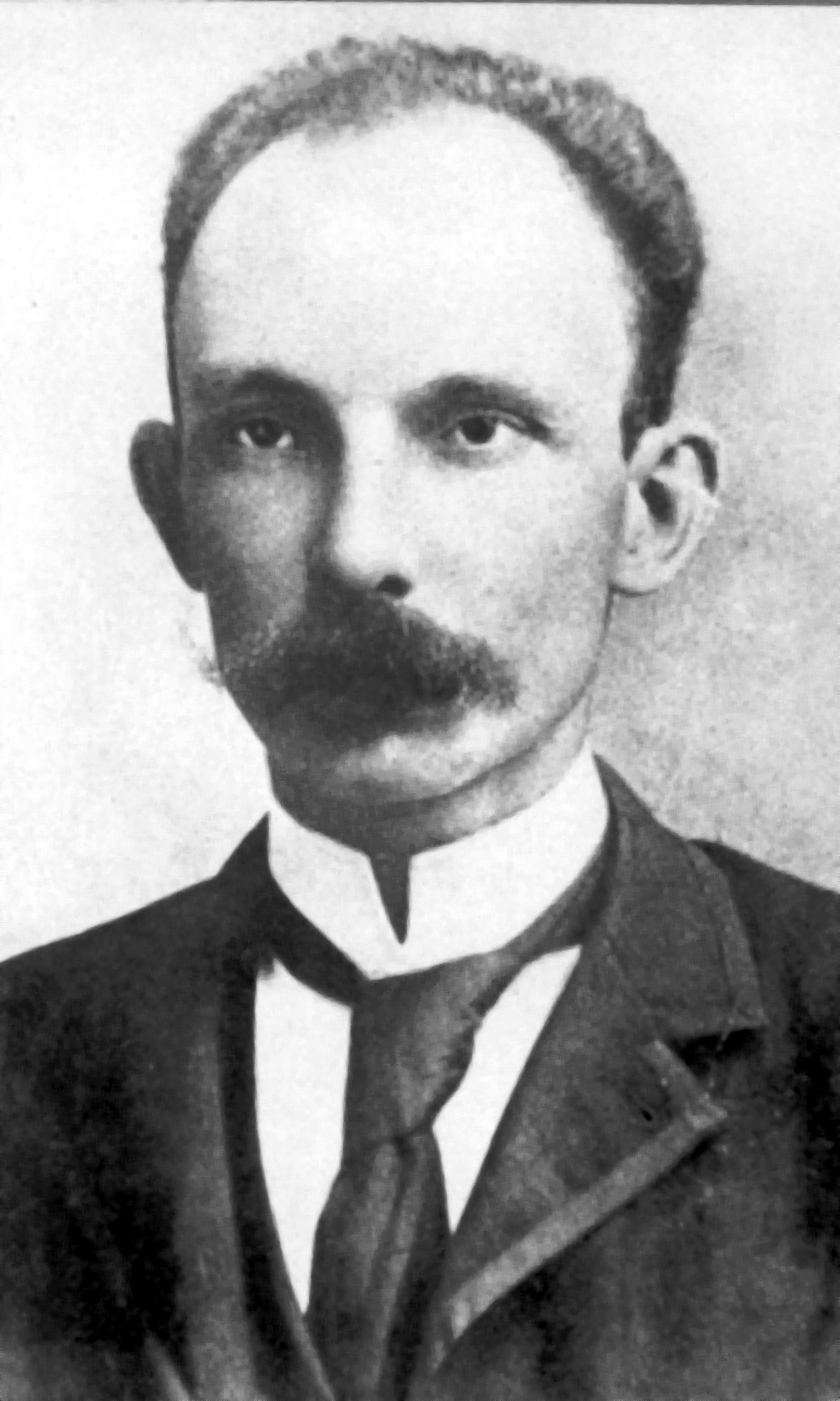




Life and political activity
Martí became involved in anti-colonial politics as a young man: he protested Spanish rule, was arrested, and spent periods away from Cuba in places such as Spain, Mexico, Central America and the United States. From exile he worked to unite diverse émigré groups and organized resources and recruits for the independence campaign. In 1892 he helped found the Cuban Revolutionary Party, which aimed to coordinate the insurgency and promote an independent, sovereign republic.
Literary work and ideas
As a writer Martí responded to both artistic and political urgencies. He published poems, essays and newspaper pieces in Spanish that addressed freedom, democracy, and Latin American unity. His poetic voice ranged from intimate lyricism to sharp social critique; many of his texts defend human dignity and warn against imperial domination. He is often described as a poet and essayist whose prose fused literary style with political argument.
Major works and roles
- Essays on identity and politics, arguing for self-determination and anti-imperialism.
- Poetry that blends personal feeling with national themes.
- Journalism and organizing that mobilized resources and public opinion for Cuban independence.
Martí's thought influenced later Latin American leaders and intellectuals by stressing the need for solidarity among nations of the hemisphere, social justice, and vigilance against foreign domination. He is honored in Cuba and beyond as both a literary figure and a symbol of republican ideals.
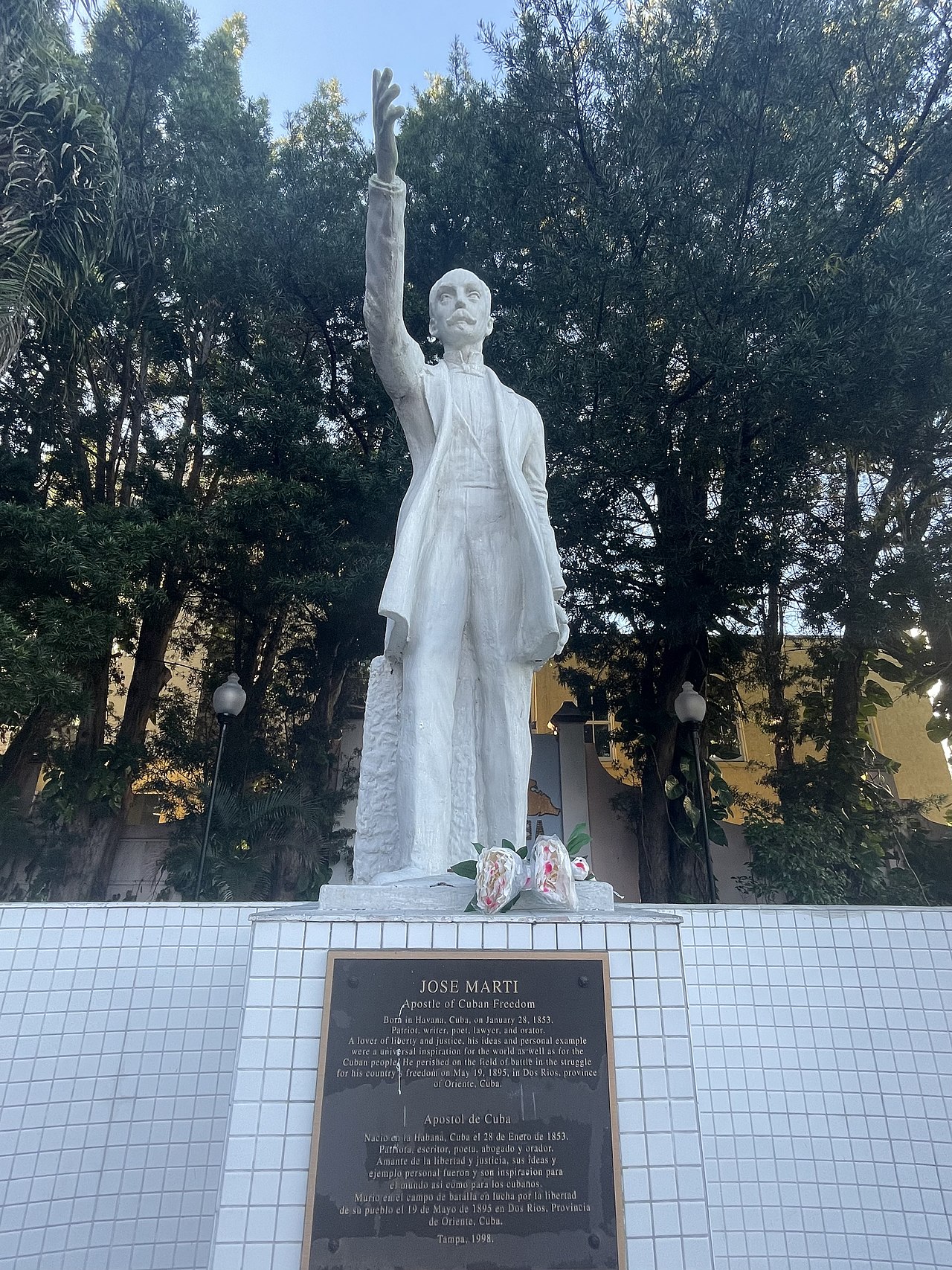
Today Martí's life is studied for its combination of literary achievement and political action: classrooms examine his essays and poems for their stylistic qualities and their role in shaping modern Latin American political discourse. Monuments, schools and public spaces across the region commemorate his legacy and keep debate about his ideas alive.
Related articles
Author
AlegsaOnline.com José Martí: Cuban writer, activist and symbol of independence Leandro Alegsa
URL: https://en.alegsaonline.com/art/51165