
B. Everett Jordan Lake (Jordan Lake), North Carolina
A man-made reservoir on the Haw River in central North Carolina. Created for flood control, water supply and recreation, it covers about 22 sq mi and supports wildlife, boating and conservation efforts.
Overview
B. Everett Jordan Lake, commonly called Jordan Lake, is a large reservoir formed on the Haw River in central North Carolina. The body of water was created by constructing a dam and is managed as a multipurpose impoundment that supplies drinking water, reduces flood risk, and provides extensive recreational opportunities. For general information about the site see the official page: Jordan Lake information.
Image gallery
9 Images


Location and size
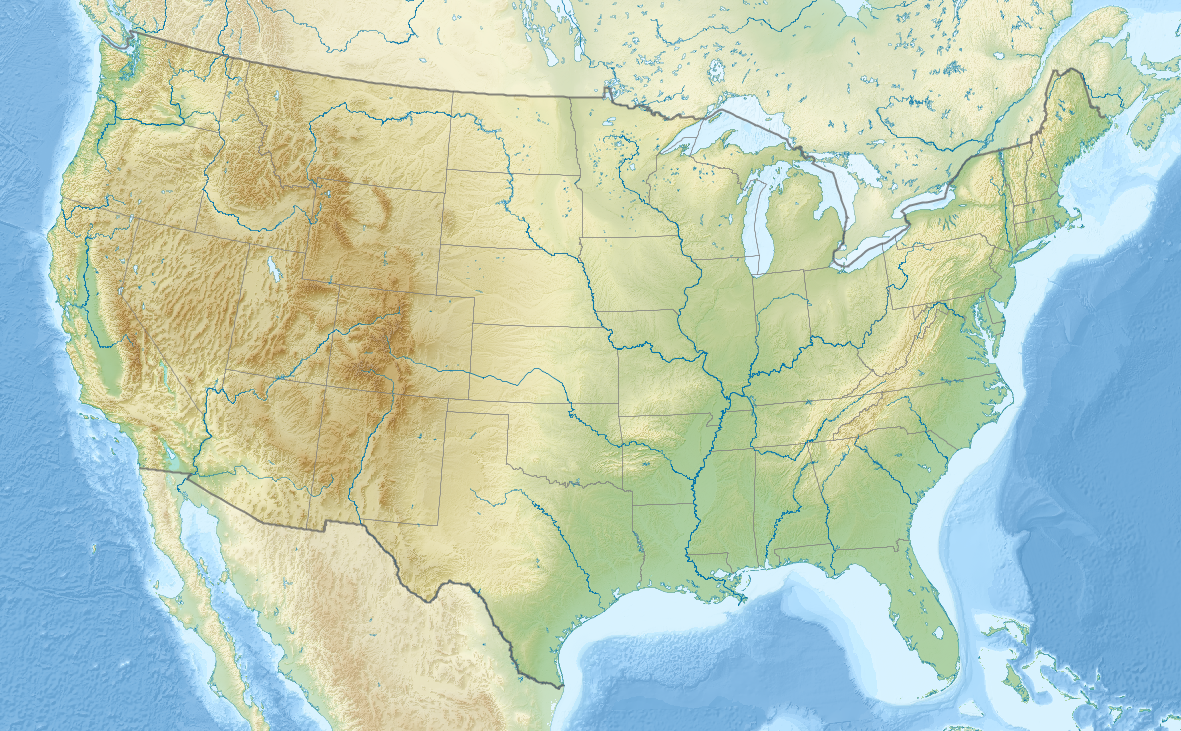
The lake lies primarily within Chatham County but extends into neighboring counties in the Research Triangle region of the state. It is an important regional water resource near growing population centers and is commonly referenced in county and regional planning discussions; see local information for Chatham County here. The surface area of the lake is roughly 22 square miles (about 57 km2), with a shoreline that includes a mix of public recreation lands, conservation tracts and private holdings; additional technical and map data are available here.
Characteristics and infrastructure
Jordan Lake is the result of an engineered dam and reservoir system. Its depth, seasonal water levels and shoreline shape vary with rainfall and reservoir operations. The lake includes numerous coves and inlets and supports aquatic habitats for fish and waterfowl. Facilities around the lake comprise boat ramps, picnic areas, campgrounds and trails administered by state and federal agencies as well as local authorities.
History and purpose
The reservoir was planned and constructed in the mid‑to‑late 20th century as part of regional efforts to control flooding, provide a reliable municipal water supply and create recreational lands as the surrounding region grew. It was named for U.S. Senator B. Everett Jordan. Over time the lake has become a focal point for outdoor recreation while also serving municipal and ecological functions.
Uses and management
- Recreation: boating, fishing, birdwatching, hiking and camping are popular activities.
- Water supply and flood mitigation: the reservoir supplies treated water and helps moderate downstream flows.
- Habitat and conservation: shoreline and islands provide nesting and feeding areas for birds and other wildlife.
Management involves multiple agencies coordinating water levels, public access, habitat protection and water‑quality measures. The lake has faced nutrient and algal‑bloom challenges at times, prompting monitoring, watershed management and conservation programs to improve water quality and preserve ecological values.
Notable facts
Jordan Lake is both a recreational destination for residents of the Triangle and a critical utility resource. Its combination of public lands, wildlife habitat and regional importance makes it a frequent subject of local planning and environmental stewardship efforts.
Related articles
Author
AlegsaOnline.com B. Everett Jordan Lake (Jordan Lake), North Carolina Leandro Alegsa
URL: https://en.alegsaonline.com/art/51073